

Why Your Water Heater Matters in Littleton
Water heater installation Littleton homeowners need starts with understanding your options and knowing when it’s time to upgrade. Whether you’re dealing with cold showers, rusty water, or a unit that’s reached the end of its 8-12 year lifespan, choosing the right replacement can save you money, boost your home’s value, and ensure reliable hot water for years to come.
Quick Guide to Water Heater Installation in Littleton:
- Traditional Tank Water Heaters – Lower upfront cost ($800-$2,500 installed), 10-15 year lifespan, simple technology
- Tankless Water Heaters – Endless hot water, up to 20 year lifespan, energy savings up to 30%, higher initial investment
- Hybrid Heat Pump Water Heaters – Highest efficiency, potential rebates, uses ambient air to heat water
- Average Installation Time – 2-4 hours for most residential installations
- Local Considerations – Colorado’s mineral-rich water requires attention to sediment buildup and may benefit from water softeners
- Permits Required – Yes, professional installation ensures code compliance in Littleton
As a homeowner in Littleton, you’re likely familiar with the challenges of maintaining your home’s utilities—especially when your water heater starts showing its age. Running out of hot water mid-shower or dealing with strange noises from your utility room are frustrations no one should have to endure. The good news? Modern water heaters offer better efficiency, longer lifespans, and features that weren’t available even a decade ago.
I’m Chris Hoffman, a Master Plumber with over 25 years of experience in water heater installation Littleton residents trust, and I’ve helped hundreds of homeowners steer the choices between traditional tanks, tankless systems, and hybrid units. Through Gray Phoenix Plumbing, my team and I ensure every installation is done right the first time, meeting local building codes and manufacturer specifications.
Is It Time for a Replacement? Key Signs to Watch For
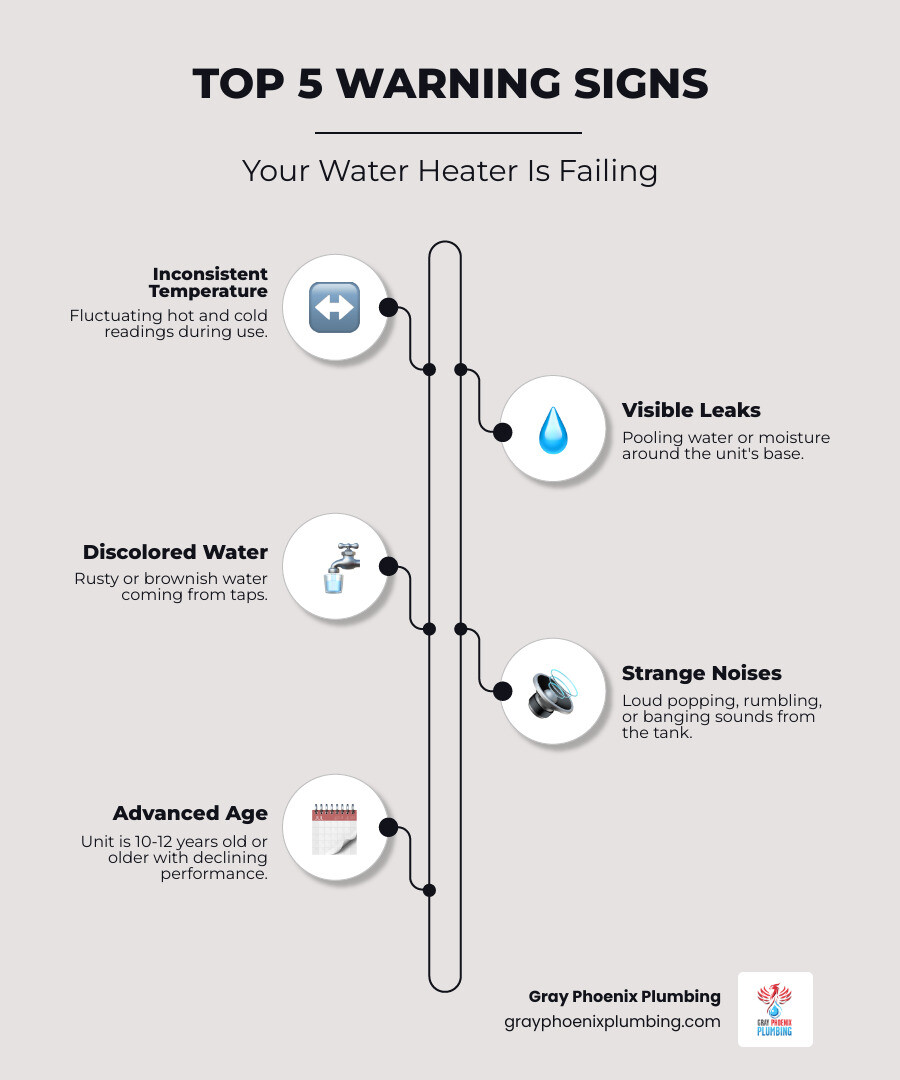
No one likes a cold shower, especially when you’re expecting a warm one! But beyond the obvious lack of hot water, how do you know if your trusty water heater is on its last legs? Recognizing the signs of a failing unit early can save you from a complete system breakdown, potential water damage, and a very unpleasant surprise.
Here are the key indicators that it might be time for a new water heater installation Littleton:
- Age of the Unit: Most traditional tank water heaters have an average lifespan of 8-12 years. If your unit is approaching or has exceeded this age, it’s wise to start thinking about replacement. While some might last longer, their efficiency typically declines significantly past this point.
- Inconsistent Water Temperature: Are your showers a game of “hot or cold”? If your hot water fluctuates wildly or simply isn’t as hot as it used to be, it could indicate a failing heating element, a buildup of sediment, or other internal issues.
- Strange Noises: Popping, rumbling, or banging sounds coming from your water heater are often a sign of sediment buildup at the bottom of the tank. As the heating element attempts to heat water through this layer of sediment, it causes the water to boil and expand, leading to these unsettling noises.
- Leaks or Moisture: Any visible water pooling around the base of your water heater, rust on the tank, or corrosion on the fittings is a serious red flag. Leaks can escalate quickly, leading to costly water damage. Even minor leaks can indicate internal tank corrosion that’s difficult to repair.
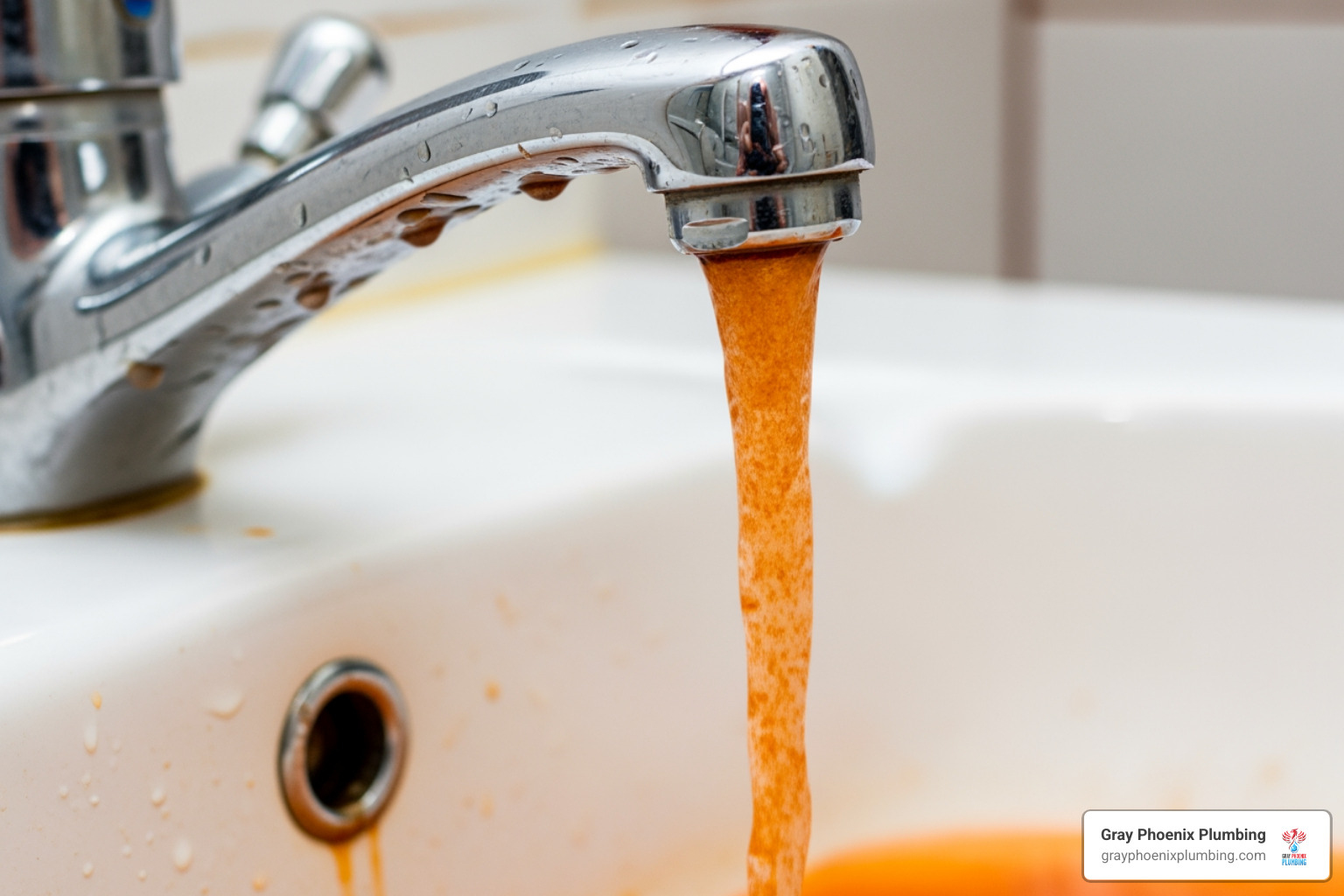
- Rusty or Discolored Water: If you turn on your hot water tap and see rusty or discolored water, it usually means there’s rust inside your water heater tank. This is a common sign of internal corrosion and often indicates the tank itself is deteriorating.
- Reduced Hot Water Pressure: Sediment buildup can also restrict water flow, leading to noticeably reduced hot water pressure.
- Frequent Repairs: If you’re calling us for repairs more often than you’d like, or if the cost of a single repair is more than half the price of a new unit, it’s generally more cost-effective to replace it.
For a deeper dive into these issues and what they mean for your home, you can learn more on when to replace your unit and don’t ignore these warning signs.
Repair vs. Replace: Making the Right Call
Deciding whether to repair your existing water heater or invest in a new water heater installation Littleton can be a tough choice. We always prioritize honest service and will first assess if a repair is feasible and cost-effective. Here’s how we help you make the right call:
- Age of Unit: As mentioned, if your water heater is over 8-12 years old, especially a traditional tank model, replacement often makes more sense in the long run. Older units are less efficient and more prone to recurring issues.
- Cost of Repair: If a repair is extensive or expensive—for example, if it’s more than 50% of the cost of a new unit—we’ll advise you that replacement is likely the better financial decision.
- Frequency of Issues: A unit that constantly needs attention is a drain on your wallet and your patience. Frequent breakdowns indicate systemic problems that will likely continue.
- Energy Efficiency Loss: Older water heaters are simply not as energy-efficient as modern ones. Even if functional, an old unit could be costing you significantly more on utility bills each month.
- Sediment Buildup: While minor sediment issues can be addressed with flushing, severe, long-term buildup can cause irreparable damage to the tank and heating elements, making replacement necessary.
Our goal is to ensure you have a reliable, efficient hot water supply without unnecessary expenses.
How Regular Maintenance Extends Lifespan
Just like your car, your water heater benefits greatly from regular maintenance. This isn’t just about preventing breakdowns; it’s about extending the life of your investment and maintaining its efficiency.
- Annual Flushing: Colorado’s mineral-rich water means sediment buildup is a common issue. Annually flushing your water heater tank removes these mineral deposits, preventing them from hardening, reducing efficiency, and causing corrosive damage. This simple step can significantly prolong your unit’s life.
- Anode Rod Check: The anode rod is your water heater’s sacrificial lamb, corroding to protect the tank lining. Checking and replacing it every few years (or annually in areas with very hard water) is crucial for tank longevity.
- Pressure Relief Valve Test: The temperature and pressure (T&P) relief valve is a critical safety device. Testing it annually ensures it’s functioning correctly, preventing dangerous pressure buildups that could lead to an explosion.
- Preventing Sediment Buildup: Regular flushing is the best defense against sediment, but considering a water filtration or softening system for your Littleton home can also dramatically reduce the mineral content entering your water heater, further safeguarding it.
- Improving Efficiency: A well-maintained water heater operates more efficiently, reducing energy consumption and lowering your utility bills.
Routine maintenance tasks like these can help prevent many common water heater problems, ensuring your system runs smoothly and reliably for years to come.
Choosing Your New Water Heater: A Breakdown of Options
When it comes to water heater installation Littleton, you have more choices today than ever before. Understanding the different types available is the first step to making an informed decision that suits your family’s needs, budget, and lifestyle. For general information on water heating systems, Wikipedia offers a great overview.
Traditional Storage Tank Water Heaters
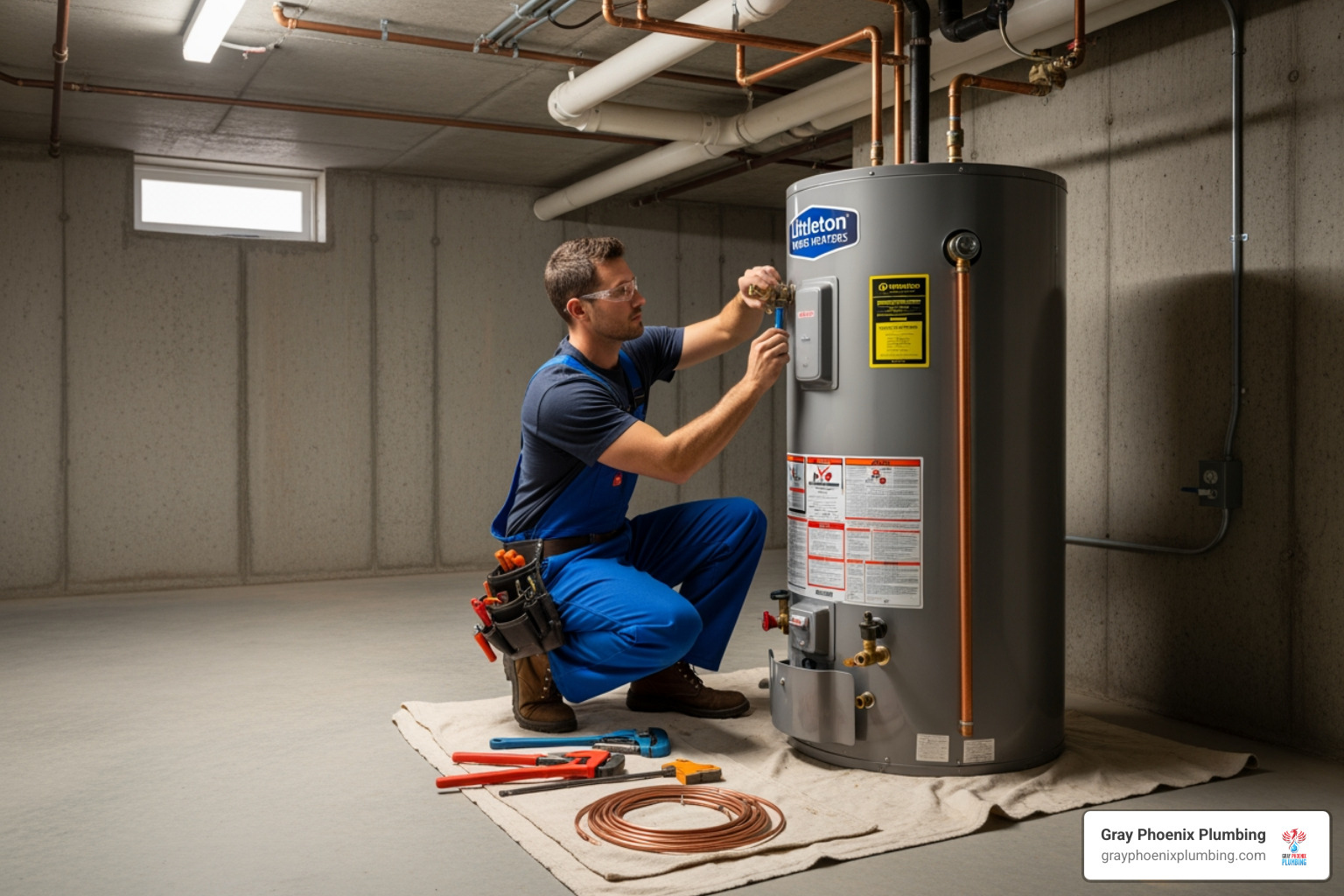
These are the most common type of water heater, recognizable by their large insulated tank. They store and pre-heat a set volume of water, keeping it ready for use.
- Lower Upfront Cost: Traditional tank heaters typically have a lower initial purchase and installation cost compared to tankless or hybrid models.
- Simple Technology: Their design is straightforward, making them generally easier and less expensive to repair if issues arise.
- Fuel Options: Available in gas, electric, and propane models, offering flexibility depending on your home’s existing infrastructure and local utility costs.
- Sizing by Gallon Capacity: These units are sized based on their tank capacity (e.g., 40, 50, 80 gallons), which should be matched to your household’s peak hot water demand.
Tankless (On-Demand) Water Heaters
Tankless water heaters, also known as on-demand or instant hot water heaters, are gaining popularity for their efficiency and convenience. They heat water only when you need it, rather than storing it.
- Endless Hot Water: The primary benefit is a continuous supply of hot water. You’ll never run out, even if multiple showers are running simultaneously.
- Energy Efficiency: By only heating water when it’s called for, tankless units can save up to 30% on your electric bill compared to traditional tanks. They use energy only when absolutely necessary, drastically reducing standby heat loss.
- Space-Saving Design: These compact units mount on a wall, freeing up valuable floor space in your utility room or garage.
- Longer Lifespan: With proper care and maintenance, tankless water heaters can last up to 20 years, significantly longer than traditional models (8-12 years).
- Higher Upfront Cost: The initial investment for a tankless system is generally higher, but the long-term energy savings and extended lifespan often offset this cost.
If you’re considering this modern marvel, you can learn more about tankless installation or read our complete guide to tankless heaters.
Hybrid (Heat Pump) Water Heaters
Hybrid heat pump water heaters combine a traditional storage tank with a heat pump to deliver highly efficient hot water. They work by extracting heat from the ambient air and transferring it to the water in the tank.
- High Energy Efficiency: These are among the most energy-efficient water heaters available, offering significant savings on operating costs.
- Uses Ambient Air to Heat Water: They consume far less electricity than conventional electric water heaters because they move heat rather than generate it.
- Lower Operating Costs: Their efficiency translates directly into lower monthly utility bills.
- Potential for Rebates: Due to their energy-saving capabilities, hybrid heat pump water heaters often qualify for local utility rebates and federal tax credits, further reducing the overall cost.
For more information on these innovative systems, explore hybrid water heater installation.
TABLE: Comparing Traditional Tank vs. Tankless vs. Hybrid Water Heaters
| Feature | Traditional Tank Water Heater | Tankless (On-Demand) Water Heater | Hybrid (Heat Pump) Water Heater |
|---|---|---|---|
| Upfront Cost | Lower | Higher | High |
| Operating Cost | Moderate to High | Low (significant energy savings) | Lowest (highest energy efficiency) |
| Lifespan | 8-12 years | Up to 20 years (with maintenance) | 10-15 years |
| Hot Water Supply | Limited (tank capacity) | Endless, on-demand | Limited (tank capacity, but very efficient) |
| Space Required | Large (floor-standing tank) | Small (wall-mounted) | Large (floor-standing tank with unit on top) |
| Energy Efficiency | Moderate | High | Very High (uses ambient air) |
Key Factors for Your Water Heater Installation in Littleton
Choosing the right water heater isn’t just about picking a type; it involves several critical considerations specific to your home and our local Littleton environment.
Sizing Your Unit for Your Household
Proper sizing is paramount for both comfort and efficiency. An undersized unit will leave you with cold showers, while an oversized one wastes energy.
- Number of Occupants: The more people in your household, the higher your hot water demand.
- Peak Hot Water Usage: Consider when and how much hot water your family uses simultaneously (e.g., morning showers, laundry, dishwasher).
- First Hour Rating (FHR) for Tanks: For traditional tank heaters, the FHR indicates how many gallons of hot water the heater can supply in one hour, starting with a full tank.
- Gallons Per Minute (GPM) for Tankless: For tankless units, you’ll need to calculate the maximum GPM required by all hot water fixtures that might run at once.
We’ll help you accurately assess your hot water needs to ensure your new water heater installation Littleton is perfectly sized.
Fuel Type: Gas, Electric, or Propane?
The fuel source for your water heater will impact both its operating cost and installation requirements.
- Availability in Your Home: Do you have natural gas lines, or is your home all-electric? If natural gas is available, it’s often a cost-effective option.
- Utility Costs: Compare the current rates for natural gas, electricity, and propane in Littleton to determine which fuel source is most economical for your household.
- Installation Complexity: Switching fuel types (e.g., from electric to gas) can involve significant plumbing and venting modifications, increasing installation costs.
- Venting Requirements: Gas and propane water heaters require proper venting to safely exhaust combustion byproducts. This is a critical safety consideration.
Energy Efficiency Ratings (UEF)
Energy efficiency is a major factor for long-term savings and environmental impact.
- Uniform Energy Factor (UEF): This is a standardized measure of a water heater’s overall energy efficiency. A higher UEF rating indicates greater efficiency.
- ENERGY STAR® Certification: Look for models with the ENERGY STAR label, which signifies that the product meets strict energy efficiency guidelines set by the EPA.
- Long-Term Savings: While high-efficiency units may have a higher upfront cost, their reduced operating expenses often lead to significant savings over the lifespan of the unit.
- Rebates and Incentives: Many high-efficiency models qualify for local utility rebates or federal tax credits, making the investment more attractive.
Littleton’s Climate and Water Quality
Our unique local conditions in Littleton and the broader Colorado area play a significant role in water heater performance and maintenance.
- Colorado’s Mineral-Rich Water: The water in our region is known for its high mineral content, often referred to as “hard water.”
- Hard Water Effects: These minerals, primarily calcium and magnesium, can lead to scaly deposits and corrosion within your plumbing system and, most notably, your water heater.
- Sediment Buildup Risk: When hard water is heated, these minerals precipitate out and form sediment at the bottom of your water heater tank. This buildup reduces efficiency, causes strange noises, and can shorten the lifespan of your unit.
- Importance of Water Softeners: To combat the effects of hard water and protect your water heater, we often recommend considering a whole-home water softening or filtration system. These systems can significantly reduce mineral buildup, prolonging the life and efficiency of your water heater and other appliances.
For more information on how to protect your system, visit our page on water heaters and filtration systems. Addressing these local challenges ensures your water heater installation Littleton performs optimally for years.
The Process for Water Heater Installation in Littleton
When you choose us for your water heater installation Littleton, you’re opting for a seamless, professional experience from start to finish. We handle all the details, ensuring your new system is installed correctly and safely.
What to Expect During Installation
Our installation process is designed to be efficient and minimally disruptive to your home.
- Initial Consultation and System Assessment: We begin with a thorough assessment of your current system, your household’s hot water needs, and any specific challenges your home might present (e.g., outdated electrical systems, space constraints). This helps us recommend the perfect unit for you.
- Professional Removal of the Old Unit: Our team will carefully disconnect and remove your old water heater. We also take care of its proper disposal, often utilizing recycling programs for old units.
- Site Preparation and Equipment Selection: We prepare the installation site, ensuring it meets all safety and code requirements. We then install your new, properly sized water heater.
- Code-Compliant Connections: All plumbing, electrical, and gas connections are made in strict adherence to local building codes and manufacturer specifications. This includes proper venting for gas models.
- Safety Testing and System Verification: Once installed, we rigorously test the new system to ensure it’s operating safely and efficiently. This includes checking the T&P valve and all connections.
- Cleanup and Debris Removal: We pride ourselves on leaving your home cleaner than we found it. All debris from the installation is removed from your property.
- Operation Guidance and Maintenance Tips: Before we leave, we’ll walk you through your new system, explain its features, and provide essential maintenance tips to help you maximize its lifespan and efficiency.
A typical residential water heater installation usually takes between 2-4 hours, though more complex installations (like switching from a tank to tankless, or extensive plumbing modifications) may take longer.
Permits and Building Codes in Littleton
Yes, permits are required for water heater installation Littleton. This is a critical aspect of ensuring safety and compliance.
- Local Requirements: The City of Littleton, like most municipalities, has specific building codes and regulations governing water heater installations. These codes are in place to protect homeowners and ensure safe operation.
- Licensed Plumber Necessity: A licensed plumber is required to pull the necessary permits and perform the installation. This ensures that the work is done by experienced technicians familiar with all local building codes and safety regulations.
- Safety Regulations: These codes cover everything from proper venting and gas line connections to electrical wiring and pressure relief valve installation.
- Ensuring Compliance: We handle all the paperwork for permits and ensure every aspect of your installation meets or exceeds local standards. This protects you from potential fines, ensures your home insurance remains valid, and most importantly, guarantees the safety of your household.
Average Cost of Water Heater Installation in Littleton
The average cost of water heater installation Littleton can vary widely, but for a traditional tank unit, you might expect to pay between $800 and $2,500, with many installations coming in at less than $2,500. However, this is a general range, and several factors influence the final price:
- Unit Type: As discussed, tankless and hybrid heat pump water heaters generally have a higher initial cost than traditional tank models.
- Labor Costs: This covers the professional’s time and expertise for removal, installation, and testing.
- Permit Fees: These are standard fees charged by the city for the necessary permits.
- Necessary Modifications: If your existing plumbing, electrical system, or venting needs to be upgraded or altered to accommodate the new unit, these costs will add to the total. This can be especially true when upgrading to a tankless system that may require larger gas lines or new electrical circuits.
- Disposal of Old Unit: While often included, this can sometimes be an additional charge.
For specific pricing on electric tankless heaters, you can consult our guide on the cost to install an electric tankless water heater.
Financing Options: We understand that a new water heater is a significant investment. We offer financing options to help make your new water heater installation Littleton affordable and fit within your budget. Don’t let upfront costs prevent you from getting the reliable hot water you need.
Why Choose a Professional Installer?
While some homeowners might consider a DIY approach for minor home repairs, water heater installation Littleton is definitely not one of them. The complexities and potential dangers involved make professional installation not just a convenience, but a necessity.
-
DIY Risks:
- Gas Line Safety: Improperly connected gas lines can lead to dangerous leaks, posing a risk of explosion or carbon monoxide poisoning.
- Electrical Hazards: Incorrect electrical wiring can cause fires, electrocution, or damage to your home’s electrical system.
- Code Violations: Without knowledge of local building codes, DIY installations often fail inspections, requiring costly re-work.
- Water Damage Potential: Incorrect plumbing connections can lead to leaks, resulting in significant water damage to your home.
- Incorrect Sizing/Type: Without expert guidance, you might choose a unit that’s too small, too large, or simply not the best fit for your home, leading to inefficiency and frustration.
-
Professional Benefits: When you choose us, you’re choosing peace of mind.
- Licensed and Insured Technicians: Our professionals are licensed, background-checked, and fully insured. This means they have the expertise to install your water heater safely and correctly, and you’re protected in case of any unforeseen issues.
- Workmanship Warranties: We stand behind our work. Our installations come with a workmanship warranty, guaranteeing the quality of our service.
- Manufacturer Warranty Compliance: Many water heater manufacturers require professional installation for their warranties to be valid. DIY installation can void your warranty, leaving you responsible for future repairs.
- Peace of Mind: Knowing that your water heater is installed by experts, meeting all safety standards and codes, provides invaluable peace of mind. We’re here to ensure your family’s comfort and safety.
For reliable service from a professional hot water heater contractor, you can always count on us. We’re not just installing a water heater; we’re providing a safe, efficient, and long-lasting hot water solution for your Littleton home.
Conclusion: Ensure a Reliable Hot Water Supply for Your Littleton Home
Upgrading your flow with a new water heater installation Littleton is more than just replacing an old appliance; it’s an investment in your home’s comfort, efficiency, and value. By understanding the different types of water heaters, considering factors like sizing and local water quality, and opting for professional installation, you can ensure a reliable and efficient hot water supply for years to come.
Whether you choose a traditional tank, a cutting-edge tankless system, or an energy-saving hybrid model, the benefits of a modern, well-maintained water heater are undeniable. From endless hot showers to lower utility bills and increased home value, making the right choice today will pay dividends in the future.
At Gray Phoenix Plumbing, we pride ourselves on being your trusted partner for all your water heating needs in Littleton and the surrounding areas. Our team of experienced, licensed, and background-checked professionals is dedicated to providing transparent pricing, exceptional service, and a Customer Care Guarantee. We ensure every water heater installation Littleton is performed with precision, adhering to all local codes and safety regulations.
Don’t let a failing water heater disrupt your daily life. For a seamless and professional installation experience, explore our residential plumbing services. We’re here to help you upgrade your flow and enjoy the comfort your home deserves.


