

Why Water Heater Flushing Matters for Your Home
A water heater flushing service is a professional maintenance procedure that removes sediment and mineral buildup from your water heater tank, typically costing $150-$250 and taking under an hour to complete. Most manufacturers recommend annual flushing to maintain efficiency and extend your unit’s lifespan.
Quick Facts About Water Heater Flushing:
- Frequency: Once per year for traditional tanks; tankless units also need annual descaling
- Cost: $49-$250 depending on service type and sediment buildup
- Duration: 20-60 minutes for a complete flush
- Benefits: Improved efficiency, longer lifespan (8-12 years with proper maintenance), and consistent hot water supply
- Warning Signs: Popping or rumbling noises, discolored water, reduced hot water supply, or inconsistent temperatures
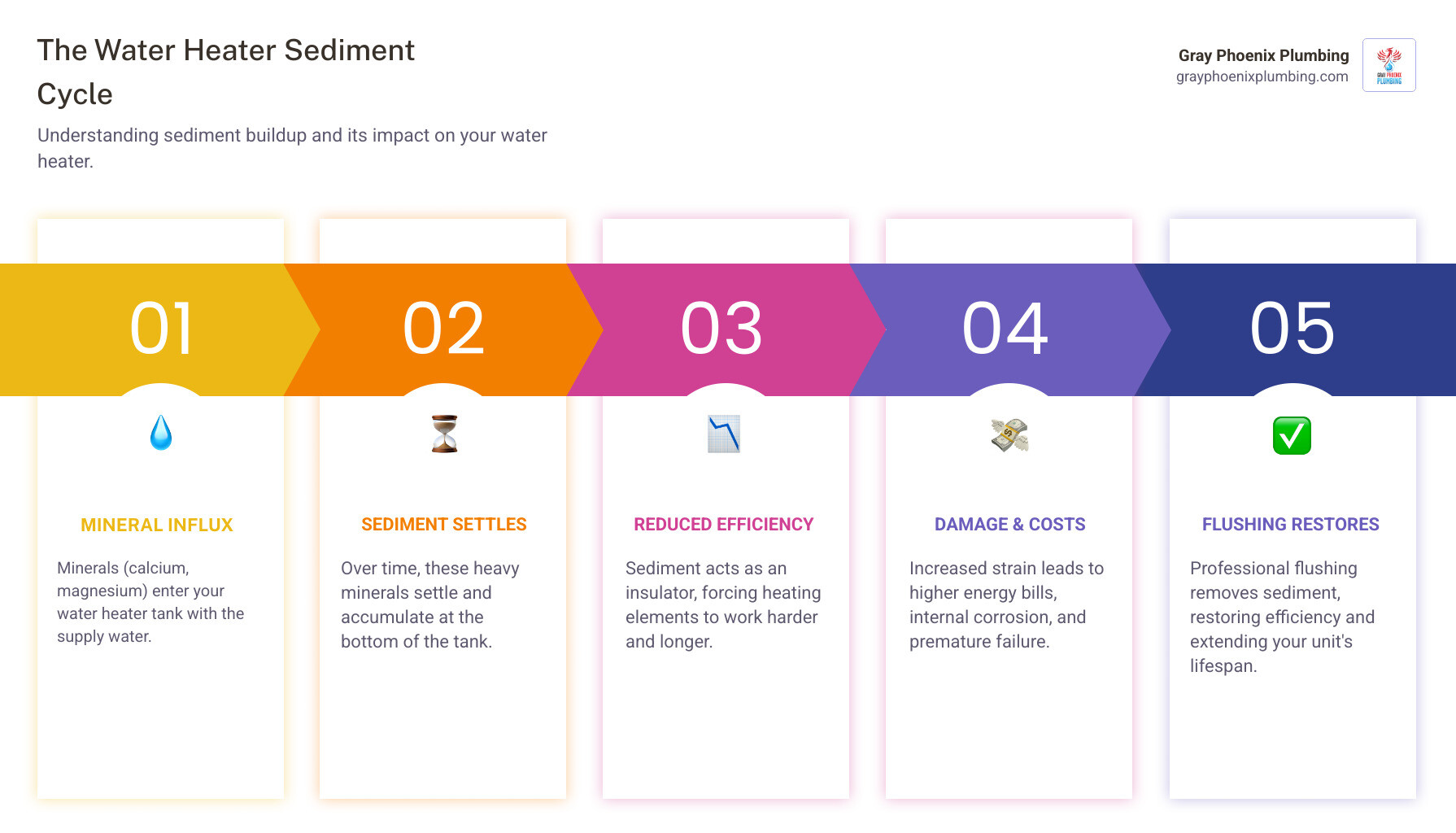
Your water heater works tirelessly behind the scenes, but over time, dirt, silt, sand, calcium, and other minerals from your water supply settle at the bottom of the tank. This sediment acts like insulation, forcing your heating element to work harder and reducing efficiency. In fact, over 60% of homeowners deal with water heater problems each year, and sediment buildup is one of the leading causes of failure.
Is your shower turning cold too soon? Hearing strange popping sounds from your utility room? These are clear signs that sediment has accumulated in your tank. The good news is that regular flushing can prevent most water heater problems and significantly extend your unit’s life.
I’m Chris Hoffman, owner of Gray Phoenix Plumbing, and my team has performed hundreds of water heater flushing services throughout the Elizabeth and Denver metro area. We’ve seen how this simple maintenance task prevents costly emergency repairs and keeps homes running smoothly.
Quick water heater flushing service definitions:
- hot water heater contractor
- cost to install an electric tankless water heater
- hybrid water heater installation
Why Flushing Your Water Heater is Non-Negotiable
We often take our water heaters for granted until that dreaded moment the hot water runs out. But what many homeowners don’t realize is that a simple, routine maintenance task—flushing—can dramatically improve its performance and extend its life. Flushing your water heater is non-negotiable for several crucial reasons.
The Silent Threat: Mineral Buildup and Sediment Insulation
The water flowing into your home, even in areas like Elizabeth, Parker, or Castle Rock, contains various minerals like calcium, lime, rust, and sand. Over time, these minerals settle at the bottom of your water heater tank, forming a layer of sediment. This sediment acts as an insulating barrier between the heating element (or burner in gas models) and the water. Imagine trying to heat a pot of water with a thick blanket under it—it would take much longer and require more energy, right? That’s exactly what happens inside your water heater.
This sediment buildup is, in fact, one of the leading causes of water heater failure. It forces the system to work harder and longer to heat your water, leading to a cascade of negative consequences:
- Reduced Efficiency and Skyrocketing Energy Bills: When your water heater struggles to transfer heat through a layer of sediment, it consumes more energy. This inefficiency directly translates to higher utility bills, costing you more money every month. Regular water heater flushing service helps maintain optimal heating efficiency, saving you energy and cash.
- Corrosion and Premature Failure: Sediment isn’t just an insulator; it can also be corrosive. As these mineral deposits accumulate, they can eat away at the tank’s lining and the heating elements themselves. This internal corrosion significantly shortens your water heater’s lifespan. While a typical residential water heater might last 8 to 12 years with proper care, neglecting flushing can cut that lifespan in half, leading to premature and costly replacement.
- Overheating Elements and System Malfunction: For electric water heaters, sediment can cause the heating elements to overheat and burn out faster. For gas heaters, it can interfere with the burner’s operation. This can lead to frequent breakdowns and the need for repairs.
- Diminished Water Quality: Sediment can sometimes break loose and travel through your plumbing, leading to discolored or cloudy hot water. Nobody wants to shower in rusty-looking water!
Routine maintenance for storage water heaters, including flushing, is vital. By flushing your water heater’s tank once per year, we can help remove this sludge and sediment, preventing malfunctions and preserving your unit.
Benefits of a Regular Water Heater Flushing Service
The good news is that preventing these issues is straightforward. A regular water heater flushing service offers a wealth of benefits that protect your home and your wallet:
- Extended Water Heater Lifespan: By removing corrosive sediment and reducing strain on components, flushing can significantly prolong the operational life of your appliance. This means fewer expensive replacements down the road.
- Improved Energy Efficiency: A clean tank allows heating elements to work as intended, heating water more quickly and using less energy. This translates directly to noticeable savings on your monthly energy bills.
- Consistent Hot Water Supply: Sediment takes up space in your tank, reducing the amount of hot water available. Flushing restores your tank’s full capacity, ensuring you have enough hot water for everyone in your Aurora or Highlands Ranch home.
- Cleaner, Clearer Water: Say goodbye to rusty or cloudy hot water. Flushing removes the particles that can contaminate your water supply, ensuring cleaner water for bathing and other uses.
- Prevents Costly Repairs: Many common water heater problems, from strange noises to leaks, stem from sediment buildup. Regular flushing acts as preventative medicine, helping you avoid unexpected and expensive repairs.
Flushing your water heater is an easy maintenance task that will save energy and extend the life of the water heater. It’s a small investment of time and effort that pays significant dividends in comfort, savings, and peace of mind.
Telltale Signs You Need a Water Heater Flushing Service
Your water heater is usually a quiet, dependable workhorse, but when it starts acting up, it’s often trying to tell you something. Recognizing these warning signs early can save you from a cold shower surprise or an expensive emergency repair. If you notice any of the following, it might be time for a water heater flushing service in your Denver, Littleton, or Aurora home:

The Sounds of Sediment: Popping and Rumbling Noises
Perhaps the most common and noticeable sign of sediment buildup is strange noises coming from your water heater. As the heating element tries to heat water through a layer of sediment, trapped pockets of water within the sediment can boil and then burst through the mineral layer. This creates distinct popping or rumbling sounds. It’s like a tiny, angry popcorn maker in your utility room! These noises indicate that your heater is working harder than it should be, and those sounds are literally the sediment rattling around.
Inconsistent Temperatures or Lukewarm Water
Are your showers starting hot but quickly turning cold? Or perhaps the water never quite gets as hot as it used to? Inconsistent water temperature or lukewarm water is a classic symptom of sediment interference. The buildup prevents efficient heat transfer, meaning your water heater struggles to maintain a consistent temperature, leading to frustratingly short or unsatisfying hot water experiences.
Reduced Hot Water Supply
Sediment takes up valuable space inside your water heater tank. If your 50-gallon tank has several inches of sediment at the bottom, it’s no longer holding 50 gallons of water. This directly translates to a reduced hot water supply. If your family suddenly finds themselves running out of hot water much faster than before, sediment is a likely culprit.
Discolored or Cloudy Water
When you turn on the hot water tap, do you sometimes see rusty, murky, or cloudy water? This is a clear indicator that sediment, rust, or other mineral particles have broken free from the bottom of the tank and are now flowing into your faucets. While it might look alarming, it’s often a sign that a good flush is needed to clear out the debris.
Low Water Pressure
Less commonly, significant sediment buildup can restrict the flow of water out of the tank, leading to noticeably lower hot water pressure compared to your cold water. If you’re noticing weak hot water flow, particularly from multiple fixtures, it could be a sign that internal blockages are forming.
How Often Should You Flush?
Most manufacturers, and we at Gray Phoenix Plumbing, recommend an annual water heater flushing service for traditional tank models. This proactive approach helps prevent problems before they start. However, if your home is in an area with particularly hard water (common in many parts of Colorado), more frequent flushing—perhaps every six months—might be warranted. The harder your water, the faster sediment accumulates.
Don’t ignore these water heater warning signs in your Denver home. Addressing them promptly with a professional flush can extend your unit’s life and ensure you always have reliable hot water.
DIY vs. Professional Flushing: A Crucial Decision
When it comes to water heater maintenance, many homeowners consider the DIY route. While flushing a water heater can appear straightforward, there’s a significant difference between tackling it yourself and trusting a professional water heater flushing service. It’s a crucial decision that impacts safety, effectiveness, and ultimately, your wallet.
The DIY Appeal (and Potential Pitfalls)
Emptying your tank once a year is an important piece of water heater maintenance that you can do yourself. Many online guides provide step-by-step instructions for flushing a traditional tank water heater. For a handy homeowner, the appeal of saving money on a service call is strong. However, there are several factors to consider:
- Safety Risks: Working with water heaters involves electricity or natural gas, and extremely hot water. Improperly turning off power, failing to relieve pressure, or mishandling hot water can lead to serious injury or damage to your home.
- Tool Requirements: While a basic flush might only require a garden hose and a screwdriver, more stubborn sediment or issues like a faulty drain valve can quickly escalate the need for specialized tools or expertise.
- Effectiveness: A DIY flush might remove some loose sediment, but without the right technique or equipment, you might not get a thorough clean. Heavy buildup can be difficult to dislodge, and if the drain valve is clogged, you might not be able to drain the tank at all.
- Time Commitment: A full flush can take anywhere from 20 to 60 minutes, not including setup and cleanup. If complications arise, it could take much longer.
- Potential for Costly Mistakes: While DIY flushing can save money, errors can be incredibly expensive. Incorrectly reassembling components, damaging valves, or failing to properly restart the unit can lead to leaks, system failure, and water damage remediation costs that far exceed the price of a professional service—potentially over $1,000 for repairs and water damage. For most homeowners, especially with complex tankless units, it’s best to hire a water heater repair specialist.
What to Expect from a Professional Water Heater Flushing Service
When you call Gray Phoenix Plumbing for a water heater flushing service in Elizabeth, Parker, or any of our service areas, you’re not just getting a simple drain and refill. Our licensed, background-checked pros bring expertise and specialized equipment to ensure a thorough and safe job. Here’s what a professional service typically involves:
- Thorough Inspection: We start with a comprehensive assessment of your water heater’s overall condition. This includes checking for leaks, corrosion, proper ventilation, and the functionality of critical components.
- Safe Shutdown: Our technicians will safely turn off the power (electric) or gas supply to your unit, and shut off the cold water inlet valve, ensuring no accidents occur.
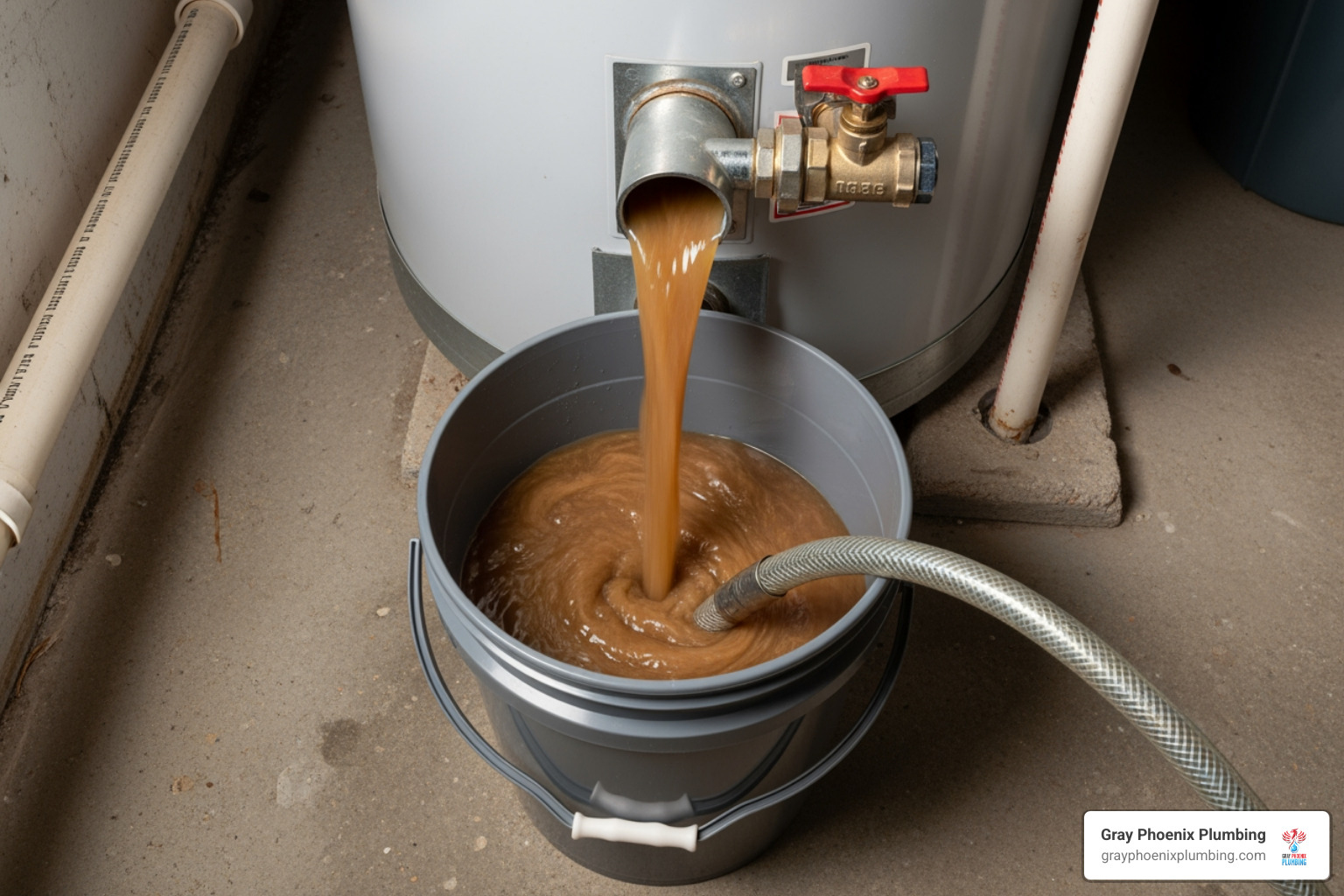
- Tank Draining and Sediment Removal: We’ll connect a hose to the drain valve and carefully drain the tank. We have techniques and specialized tools to dislodge and flush out even stubborn sediment, ensuring a much cleaner tank than a typical DIY effort. For heavily sedimented tanks, a “power flush” might be required, which involves specialized equipment to more aggressively remove the buildup.
- Anode Rod Check: The anode rod is crucial for preventing tank corrosion. During the flush, we’ll often inspect the anode rod for signs of wear and recommend replacement if it’s significantly corroded.
- T&P (Temperature and Pressure) Relief Valve Test: This safety valve is vital for preventing dangerous pressure buildup. We’ll test its functionality to ensure it’s working correctly, a key part of routine water heater maintenance.
- System Testing and Restart: After flushing, we’ll carefully refill the tank, purge any air from the system by opening hot water faucets, and then safely restore power or gas. We’ll verify that the unit is heating properly and check for any leaks.
- Expert Recommendations: Our team will provide you with insights into your water heater’s health and offer recommendations for ongoing maintenance or potential upgrades, fitting into our broader general plumbing expertise.
A professional flush ensures the job is done right, maximizing your water heater’s efficiency and lifespan while minimizing risks.
Flushing Tank vs. Tankless Water Heaters
The flushing process differs significantly between traditional tank water heaters and tankless models.
| Feature | Traditional Tank Water Heater | Tankless Water Heater |
|---|---|---|
| Primary Goal | Remove sediment buildup from the bottom of the tank. | Descale mineral buildup from the heat exchanger. |
| Sediment Type | Primarily heavy particles like sand, silt, rust, and calcium flakes. | Primarily hard water scale (calcium, magnesium) that coats surfaces. |
| Process | Draining the tank, then flushing with cold water to agitate and expel sediment. | Circulating a chemical descaling solution through the heat exchanger using a pump. |
| Tools Needed | Garden hose, screwdriver, bucket. | Specialized descaling pump, hoses, chemical descaling solution, isolation valves. |
| Frequency | Annually (more often for very hard water). | Annually (more often for very hard water, as recommended by manufacturers like Rinnai, Navien, Noritz, and Takagi). |
| DIY Feasibility | Possible for handy homeowners, but with potential risks. | More involved, often best left to professionals due to specialized equipment and chemicals. |
| Main Concern | Loss of efficiency, tank corrosion, reduced hot water volume. | Reduced flow, decreased efficiency, damage to heat exchanger. |
Tank Water Heater Flushing
For traditional tank water heaters, the process focuses on removing the heavy sediment that accumulates at the bottom. This involves draining the tank completely and then refilling it in bursts to agitate and flush out the remaining debris. While some homeowners attempt this DIY, a professional water heater flushing service ensures all sediment is properly dislodged and expelled, preventing damage to the drain valve or leaving behind stubborn deposits.
Tankless Water Heater Descaling
Tankless water heaters lack a tank where heavy sediment can settle. Instead, the primary concern is scale buildup (hard water minerals) on their heat exchangers. This scale can drastically reduce their efficiency and lifespan. Therefore, tankless units require a specialized “descaling” service rather than a simple flush.
This process involves:
- Isolation: The unit is isolated from your home’s main water lines using dedicated service valves.
- Chemical Descaling: A pump circulates a chemical descaling solution (often a mild acid specifically designed for this purpose) through the heat exchanger. This solution dissolves the mineral buildup.
- Circulation: The solution is circulated for a period, typically 45 minutes to an hour, to ensure all scale is removed.
- Rinsing: The unit is then thoroughly rinsed to remove all chemical residue.
Most manufacturers recommend flushing your tankless unit every 12 months. This routine flushing and descaling is the #1 way to protect your tankless water heater investment. Neglecting periodic flushing of minerals and sediment in tankless water heaters can lead to repair issues. For more information on these advanced systems, you can visit our page on tankless water heater installation service in Denver.
Frequently Asked Questions About Water Heater Flushing
We understand you might have questions about maintaining your home’s hot water supply. Here are some of the most common inquiries we receive about water heater flushing service:
How much does a water heater flush service typically cost?
The cost of a water heater flushing service can vary depending on several factors, including the type of water heater (tank vs. tankless), the amount of sediment buildup, and your specific location within our service areas like Elizabeth, Parker, or Castle Rock. Generally, you can expect a professional service for a traditional tank water heater to cost in the range of $150 to $250.
For tankless water heaters, which require a more specialized descaling process with chemical solutions and a circulation pump, the cost might be slightly higher, often around $189 to $200. While some companies might offer promotional rates as low as $49 for a basic flush, these often don’t include a comprehensive inspection or addressing heavy sediment. We believe in transparent pricing, so we’ll provide you with an upfront quote before any work begins.
How long does a professional flush take?
One of the great things about a professional water heater flushing service is that it’s relatively quick. For a traditional tank water heater, the actual draining and flushing process typically takes 20 to 60 minutes. When performed by an experienced technician, the entire service, including inspection and restart, is usually completed in under an hour. This means minimal disruption to your daily routine, allowing us to get your hot water system back up and running efficiently in no time.
What happens if I never flush my water heater?
Neglecting to flush your water heater can lead to a host of problems that will eventually cost you more in repairs or premature replacement. If you never flush your water heater, you are virtually guaranteed to experience:
- Guaranteed Sediment Buildup: The minerals in your water don’t magically disappear; they accumulate. This buildup will continue to grow thicker, exacerbating all the issues mentioned earlier.
- System Inefficiency and Higher Bills: Your water heater will become increasingly inefficient, forcing it to work harder and longer to heat water. This will lead to a steady rise in your energy bills.
- Overheating Elements and Internal Corrosion: For electric units, heating elements will struggle and eventually burn out. For all tank types, the trapped sediment can lead to localized overheating and accelerated corrosion of the tank’s interior, significantly shortening its life.
- Tank Failure: Eventually, the constant stress, corrosion, and inefficiency can lead to leaks or even a complete tank failure. This is often an emergency situation, requiring immediate and costly water heater replacement.
- Costly Emergency Repairs: By avoiding simple, routine maintenance, you increase the likelihood of unexpected breakdowns that require emergency repairs, which are typically more expensive than planned maintenance.
Not flushing your water heater is like never changing the oil in your car—it might run for a while, but it will inevitably break down prematurely and cost you a lot more in the long run.
Conclusion: Protect Your Investment with Regular Maintenance
Your water heater is a vital appliance, providing the comfort and convenience of hot water for countless daily tasks. It’s an investment in your home, and like any investment, it thrives on proper care. A regular water heater flushing service is not merely a suggestion; it’s a critical component of preventative maintenance that ensures its longevity, efficiency, and your peace of mind.
We’ve seen how sediment buildup can silently sabotage your unit, leading to reduced efficiency, higher energy bills, inconsistent hot water, and ultimately, premature failure. By understanding the telltale signs—from rumbling noises to discolored water—you can take proactive steps to address these issues before they escalate into costly emergency repairs.
Whether you have a traditional tank or a modern tankless system, the need for regular maintenance remains. While some DIY tasks are manageable, the complexities and potential risks associated with water heater flushing often make a professional service the smartest choice. Our Gray Phoenix Plumbing team brings the expertise, specialized tools, and transparent pricing to ensure your water heater receives the thorough care it deserves.
Don’t wait for the cold shower to remind you. Protect your investment, save on energy costs, and enjoy reliable hot water for years to come. We are a family-owned business known for licensed, background-checked pros, transparent pricing, and a Customer Care Guarantee, making us a one-stop shop for home service needs throughout Elizabeth, Parker, Castle Rock, and the wider Denver metro area.
Ready to give your water heater the attention it needs? Schedule your water heater service today with Gray Phoenix Plumbing. We’re here to keep your home comfortable and your plumbing running smoothly.


