

Why Finding the Right Sewer Expert Matters
When a sewer problem strikes, finding sewer experts near me is your top priority. These issues are stressful, creating health hazards and making your home unlivable. This guide will help you steer the process without adding to your stress.
Quick Answer: How to Find Sewer Experts Near Me
- Verify licensing and insurance before hiring.
- Read verified customer reviews for consistent positive feedback.
- Ask about diagnostic technology like camera inspections.
- Get multiple quotes to compare pricing and methods.
- Confirm 24/7 availability for emergencies.
The stakes are high. Sewer line repairs can cost thousands, with full replacements costing even more. Common culprits include tree root intrusion, which causes about 50% of blockages, and corrosion in older pipes. This guide will help you spot warning signs, understand repair options like trenchless technology, and choose the right contractor.
I’m Chris Hoffman, owner of Gray Phoenix Plumbing. My team has spent years helping homeowners in Parker, Elizabeth, and the Denver metro area solve complex sewer issues. Whether you have an emergency or want a proactive inspection, this guide provides the knowledge you need to make confident decisions.

Recognizing the Red Flags: When to Call a Sewer Expert
Sewer issues often start with subtle whispers—a strange smell or an odd gurgling sound—before escalating into a full-blown backup. In Colorado, our unique freeze-thaw cycle puts immense stress on underground pipes, causing cracks and joint separation. Heavy rains can also cause ground shifting, further damaging sewer lines.
Knowing the warning signs helps you call sewer experts near me before a minor issue becomes a major disaster.
Common Causes of Sewer Line Damage
Understanding what causes sewer lines to fail is the first step in prevention.
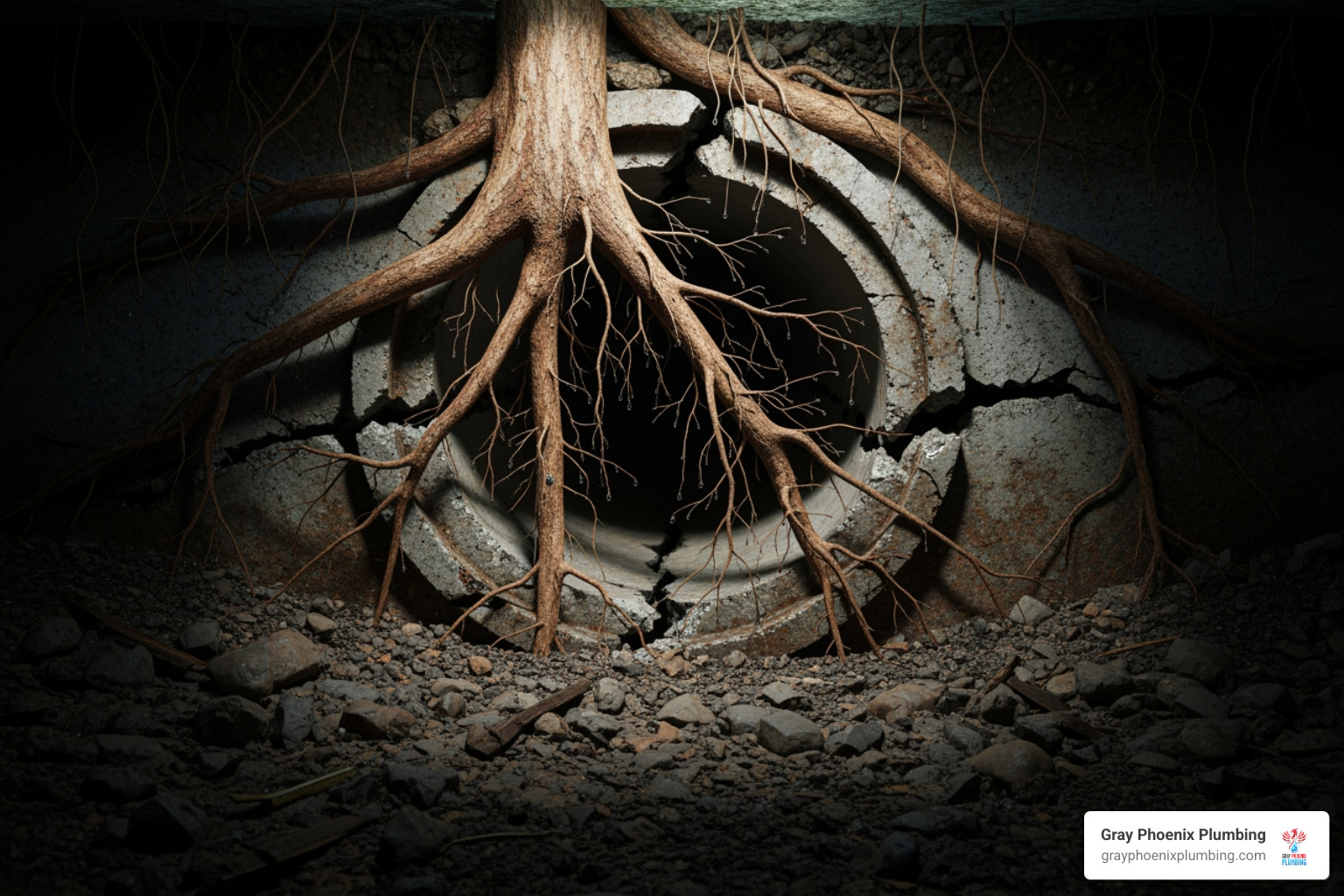
- Tree roots are the #1 culprit, responsible for about half of all sewer problems. Roots sense moisture from tiny pipe cracks, growing into thick masses that block flow and crush pipes. This is common in established neighborhoods like Parker and Castle Rock with mature trees.
- Pipe age and material are critical. Homes built before 1980 often have cast iron or galvanized steel pipes that corrode over time. Modern PVC pipes are more durable but not immune to damage.
- Grease and debris buildup from kitchen sinks and toilets creates stubborn clogs. Grease solidifies in pipes, catching hair, “flushable” wipes, and food scraps, eventually blocking the line.
- Shifting soil, a major concern in Colorado due to our expansive clay soils and freeze-thaw cycles, puts pressure on pipes, causing them to crack, separate, or develop low spots (“bellies”) where waste collects.
- Improper installation, such as incorrect grading, can prevent wastewater from flowing properly, leading to chronic issues.
You can learn more about preventing these issues in our article on Sewer Line Problems in Colorado Front Range: Prevention & Solutions.
Telltale Signs You Need Professional Help
Don’t ignore these warning signs. Call for a professional diagnosis if you notice:
- Multiple slow drains: If more than one drain in your home is slow, the problem is likely in your main sewer line.
- Foul sewage odors: Unpleasant smells from drains or in your yard indicate that sewer gas is escaping from a crack or blockage.
- Gurgling sounds: When flushing a toilet causes a shower drain to gurgle, it means air is trapped by a blockage in the line.
- Water backing up: If water comes up in a sink or tub when you flush a toilet, you have a significant blockage. Call sewer experts near me immediately.
- Unusually green or soggy patches in your yard: A leaking sewer pipe can fertilize the grass above it, creating lush, wet spots even in dry weather.
Acting on these signs early often starts with a Sewer Scope Inspection to see exactly what’s happening inside your pipes.
Sewer Repair vs. Replacement: Understanding Your Options
An accurate diagnosis is the first step. We start with a sewer camera inspection, inserting a high-resolution camera into your line to see the exact location and nature of the problem. This eliminates guesswork and allows us to recommend the most effective solution. Learn more about this crucial tool on our Sewer Scope Inspection page.
After the inspection, we’ll determine if a repair or replacement is needed. Minor cracks, small leaks, or localized blockages can often be repaired. However, a collapsed section, severe corrosion, or recurring problems make replacement the smarter long-term investment, especially if your pipes are over 50 years old.
| Feature | Traditional Sewer Repair | Trenchless Sewer Repair |
|---|---|---|
| Cost | Higher due to excavation and property restoration (e.g., $4,000 to $12,000 for replacement) | Potentially lower, up to 50% savings compared to traditional |
| Time | Can take several days to weeks, depending on scope | Often completed within a day |
| Property Disruption | Extensive digging, damage to landscaping, driveways, etc. | Minimal digging, small access points only |
| Durability | New pipes can last decades | New pipe lining can last for decades |
Modern Repair Methods: Trenchless Technology
Forget the nightmare of a torn-up yard. Trenchless sewer repair has changed the game, saving homeowners in Elizabeth, Parker, and across the Denver metro area time, money, and landscaping. These methods can save up to 50% on repair costs compared to traditional digging.
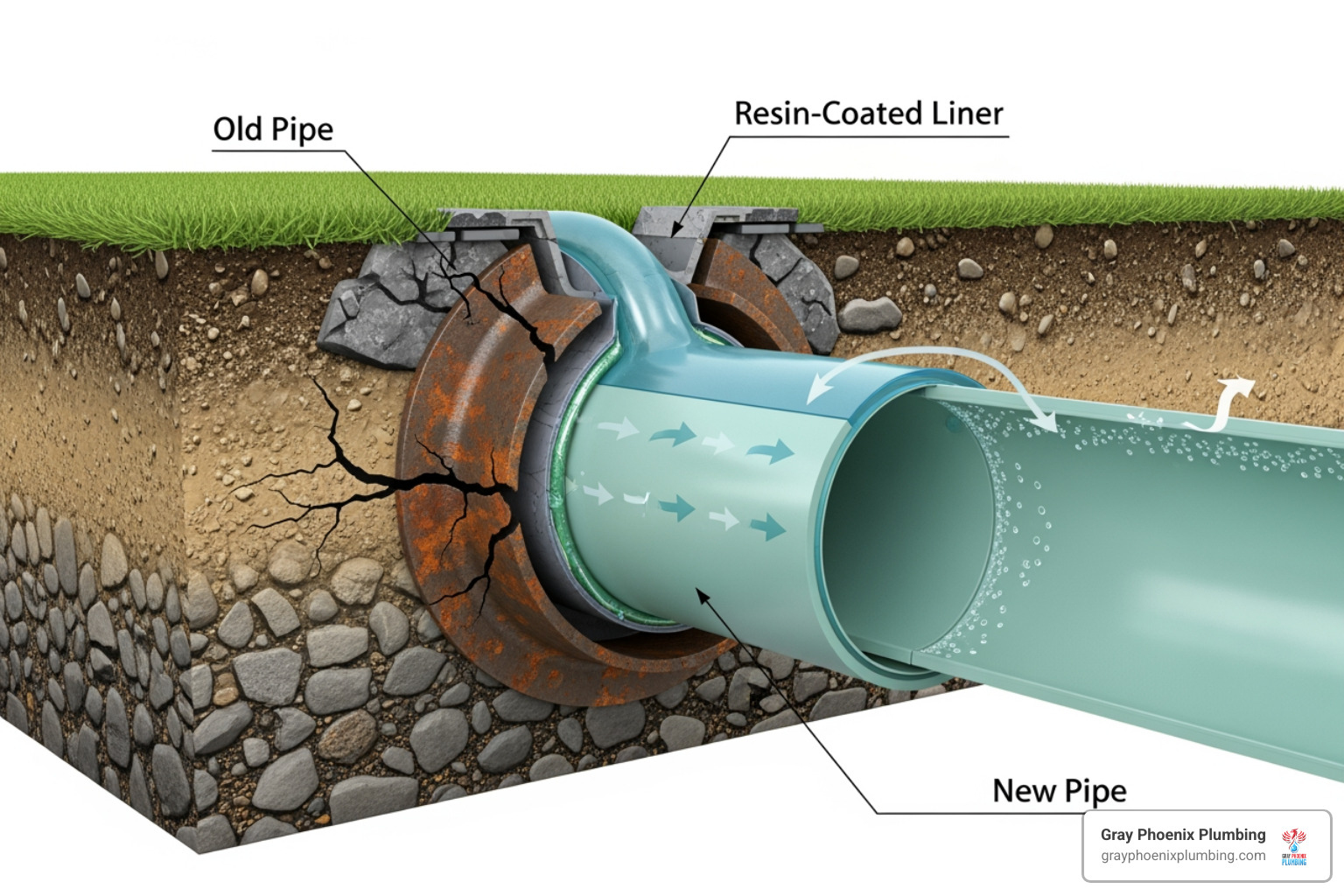
- Pipe lining (CIPP): We insert a flexible, resin-coated liner into the damaged pipe. It’s then inflated and cured, creating a seamless, brand-new pipe inside the old one. This seals cracks and stops root intrusion.
- Pipe bursting: For more severely damaged pipes, we pull a new pipe through the old one, simultaneously fracturing the old pipe outward. This method also avoids extensive trenching.
Both methods are durable, with materials lasting for decades, and are often completed in a single day.
When is Traditional Excavation Necessary?
While we love trenchless technology, it’s not a universal solution. When you search for sewer experts near me, you need an honest assessment. Traditional excavation is necessary for:
- Severely collapsed pipes: If the pipe has caved in, there’s no host pipe for a trenchless repair. We must dig to remove and replace the damaged section.
- Improperly graded lines: If your pipe has a “belly” (a sag) or lacks the proper downward slope, waste won’t flow correctly. Excavation is required to regrade the pipe.
- Complex pipe layouts or access issues: Sometimes, the only way to reach a damaged section is by digging.
- Full traditional replacement: If the entire system is old and failing, a full replacement may be the most economical long-term solution, providing a completely new system.
How to Find the Best Sewer Experts Near Me
When facing a sewer issue, you need a skilled, trustworthy, and responsive professional. Finding reliable sewer experts near me in Elizabeth, Parker, or the Denver metro area is straightforward if you know what to look for.
The Benefits of Hiring Local Sewer Experts Near Me
Choosing a local company that’s part of your community offers significant advantages over national chains.
- Quick Response Times: Local experts can arrive faster, which is critical during an emergency. We offer 24/7 Emergency Plumbing Services in Denver – Rapid Response and are always ready to handle your Emergency and Sewer needs.
- Familiarity with Local Codes: A local contractor understands the specific permit and inspection requirements for municipalities like Elizabeth, Parker, and Denver, ensuring your project is compliant.
- Community Reputation: Local businesses thrive on their reputation. We’re your neighbors, and our commitment to quality service is personal.

Key Questions to Ask Potential Sewer Experts Near Me
Before hiring, ask these important questions to ensure you’re choosing the right team.
- Are you licensed and insured? This is non-negotiable. It protects you from liability and ensures the contractor meets industry standards.
- Can you provide references or show examples of similar work? Reputable companies are happy to share past successes.
- Do you offer free, detailed estimates? A trustworthy expert will assess the problem in person before providing an itemized quote. Be wary of quotes given over the phone.
- What diagnostic tools do you use? Modern sewer repair starts with a camera inspection to accurately identify the problem.
- What methods do you recommend and why? A good contractor will educate you on your options (trenchless vs. traditional) and explain the pros and cons for your situation.
- What is your experience with trenchless methods? These techniques require specialized training and equipment.
- What warranties or guarantees do you offer? A strong warranty reflects confidence in their workmanship. We stand by our work with a Customer Care Guarantee.
- How do you handle permits and inspections? A professional contractor should manage this process for you.
- What is the total cost and timeline? Get a clear, itemized breakdown of all costs and a realistic project schedule to avoid surprises.
The Logistics: Cost, Timeline, and What to Expect
Understanding the potential cost and timeline helps you plan for a sewer line project. Prices can vary, but here’s a general idea of what to expect.
What Will This Cost Me?
- Sewer Camera Inspection: This essential first step typically costs between $250 and $500. It’s a worthwhile investment that saves money by ensuring an accurate diagnosis. Learn more at our Sewer Scope Inspection page.
- Sewer Line Repairs: Most repairs range from $1,000 to $4,000, though complex jobs can cost more.
- Full Sewer Line Replacement: A full replacement typically costs between $4,000 and $12,000.
Several factors influence the final price, including the length and depth of the pipe, the extent of the damage, accessibility (e.g., under a driveway vs. lawn), and the chosen repair method (trenchless vs. traditional). Permits and site restoration costs are also part of the total.
How Long Will This Take?
Many repairs are faster than you might think. Trenchless solutions and minor repairs can often be completed in a single day. More extensive repairs or traditional replacements may take one to five days, depending on the scope of work, weather, and soil conditions.
What About Emergencies?
Sewer emergencies require immediate attention. We offer 24/7 Emergency Plumbing Services in Denver – Rapid Response to minimize damage and stress. Our Emergency and Sewer team is always available, often providing same-day service. We provide transparent, itemized estimates so you know exactly what to expect.
Proactive Care: Preventing Future Sewer Line Disasters
An ounce of prevention is worth a pound of cure, especially with your sewer line. Smart habits and regular maintenance can save you from the stress and expense of a major sewer disaster.
Here are the most effective ways to protect your pipes:
- Watch what goes down your drains. Never pour cooking grease or oil down the sink; let it cool and throw it in the trash. Scrape food scraps into the garbage instead of relying on the disposal.
- Be mindful of what you flush. Only human waste and toilet paper should be flushed. So-called “flushable” wipes, paper towels, and hygiene products do not break down and cause serious clogs. For more information on preventing backups, you can review guidance from the U.S. Environmental Protection Agency.
- Use drain covers. Inexpensive screens in showers and tubs catch hair and soap scum before they can form clogs.
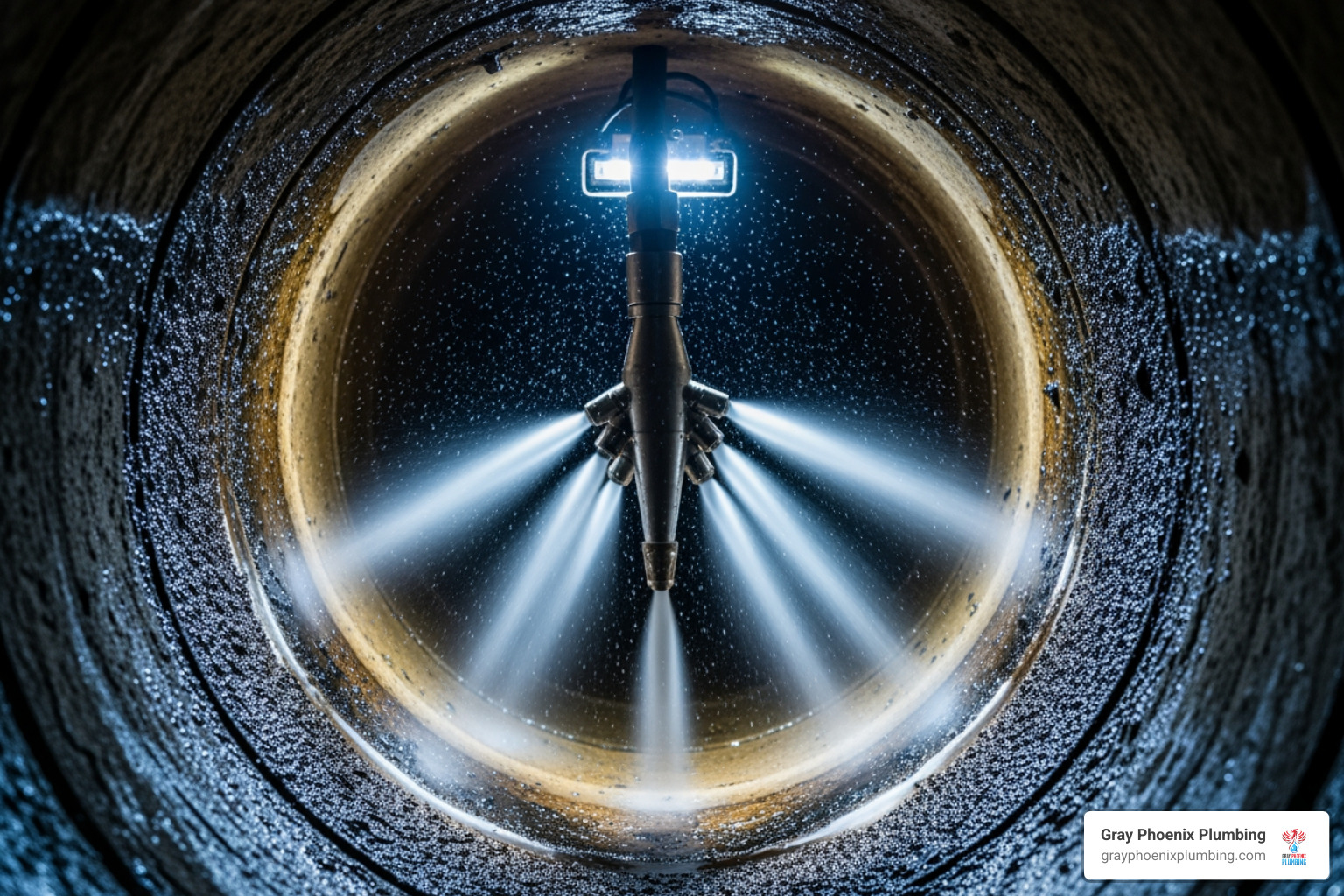
- Invest in professional drain cleaning. For stubborn clogs or regular maintenance, professional cleaning is safer and more effective than harsh chemicals. Hydro-jetting uses high-pressure water to scour the inside of your pipes, removing grease, scale, and even early-stage roots, restoring flow and extending the life of your system.
- Schedule routine inspections. A sewer camera inspection every few years, especially for older homes or properties with large trees, allows your sewer experts near me to spot developing issues like cracks or root intrusion before they become emergencies.
Regular maintenance provides peace of mind. For all your home’s preventative care and General Plumbing needs, we’re here to help keep your system running smoothly.
Frequently Asked Questions about Sewer Line Repair
Facing a sewer problem brings up a lot of questions. Here are clear, honest answers to the most common ones we hear from homeowners in Elizabeth, Parker, and our other service areas.
Who is responsible for sewer line repair?
In most cases, the property owner is responsible for the sewer line from the house to the municipal main line. This section is called the “private sewer lateral.” The municipality is responsible for the main sewer line that serves multiple properties. However, local ordinances can vary, and sometimes responsibility is shared if the damage is in a public right-of-way. As local sewer experts near me, we can help determine where the problem is and who is responsible based on Elbert County and Denver metro area regulations.
Does homeowners insurance cover sewer line replacement?
It depends. Standard homeowners insurance typically does not cover sewer line damage from normal wear and tear, corrosion, or tree root intrusion. It may cover damage that is “sudden and accidental,” like a pipe broken during an excavation. For broader protection, many insurance companies offer an optional “service line coverage” endorsement. This add-on is specifically designed to cover exterior utility lines, including your sewer line, from a wider range of perils. We always recommend calling your insurance agent to clarify your specific coverage.
How long do sewer pipes last?
The lifespan of your pipe depends heavily on its material and environmental factors.
- Modern PVC pipes: Installed since the 1980s, these are resistant to corrosion and can last 100 years or more.
- Cast iron pipes: Common in homes built before the 1970s, they typically last 50 to 75 years but are prone to rust and corrosion.
- Clay pipes: Found in very old homes, these are brittle and susceptible to cracks and root intrusion, with a lifespan of 50 to 60 years.
Colorado’s freeze-thaw cycles and expansive soils can accelerate wear on any pipe material. The best way to maximize your sewer line’s life is through regular maintenance and periodic Sewer Scope Inspections, especially for older homes.
Trust the Professionals for Your Sewer Needs
Sewer line problems don’t fix themselves; they only get worse and more expensive with time. This guide has armed you with the knowledge to identify warning signs, understand your repair options, and know what to ask when searching for sewer experts near me.
The most important takeaway is that prompt action is everything. A quick sewer camera inspection can diagnose the issue accurately, preventing a minor problem from becoming a catastrophic failure. The right repair, performed by qualified experts who understand local conditions in areas like Elizabeth and Parker, can protect your home for decades.
At Gray Phoenix Plumbing, we are your local, family-owned neighbors. We’ve built our reputation in the Denver metro area on transparency, professionalism, and a commitment to customer satisfaction, backed by our Customer Care Guarantee. We know emergencies are stressful and don’t follow a 9-to-5 schedule, which is why our licensed, background-checked professionals are ready to respond quickly when you need us most.
Don’t let a sewer problem disrupt your life. If you’re seeing any warning signs or want the peace of mind that comes from a preventative inspection, we are here to help.
Contact us for emergency sewer services today and let our team bring expert solutions and genuine care to your doorstep.


