

Why Low Water Pressure Matters in Your Brighton Home
Low water pressure Brighton is more than an inconvenience—it’s a daily frustration that makes simple tasks like showering or washing dishes a time-consuming ordeal. If you’ve noticed a weak trickle from faucets, underwhelming showers, or slow-filling appliances, you’re likely dealing with low water pressure.
Quick Answer: Troubleshooting Low Water Pressure in Brighton
- Check if it’s one fixture or the whole house – Clean aerators/showerheads if isolated to one spot
- Ask your neighbors – If they have the same issue, it’s likely a municipal supply problem
- Test both hot and cold water – If only hot water is affected, check your water heater
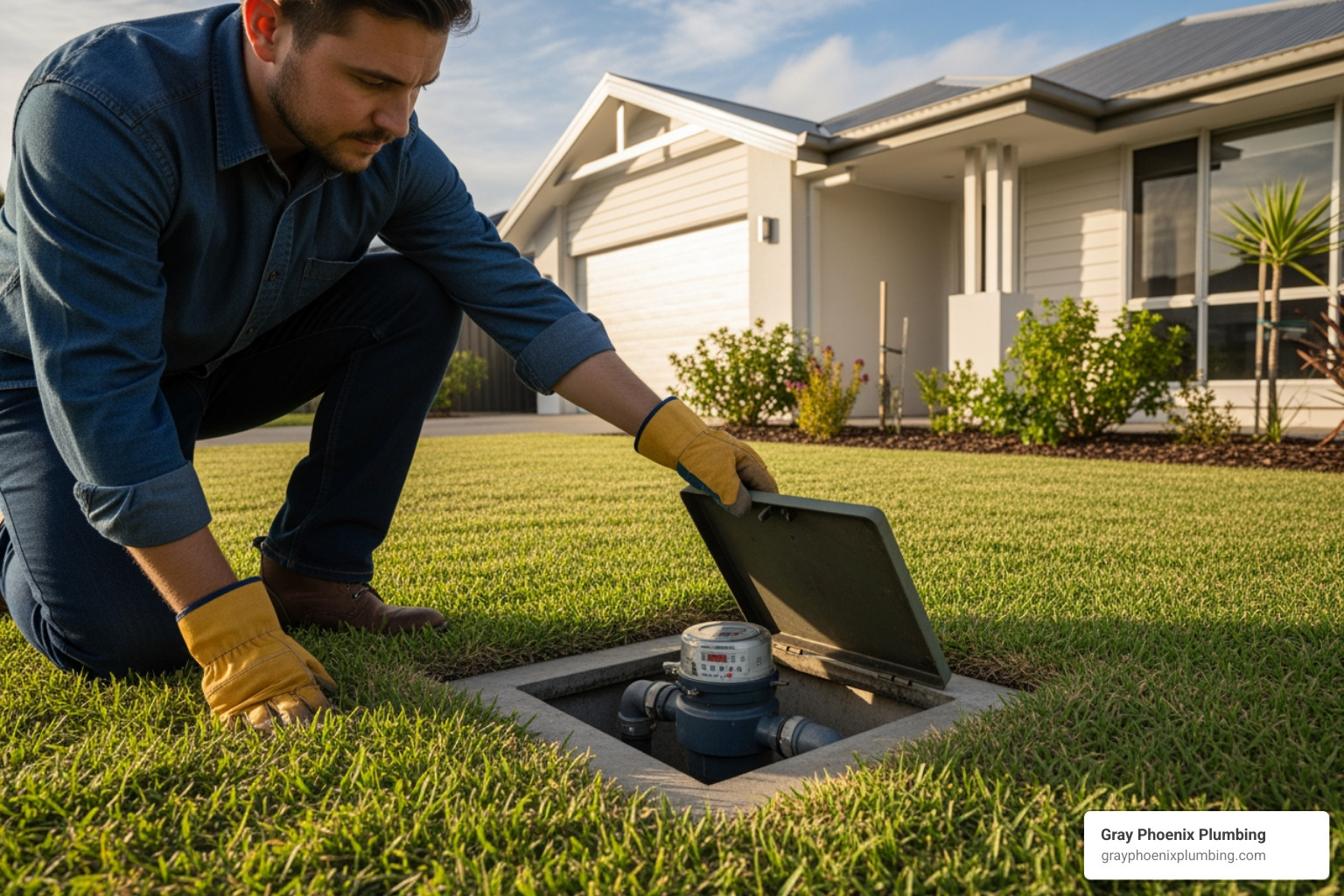
- Look for leaks – Turn off all water, check your meter—if it’s still moving, you have a leak
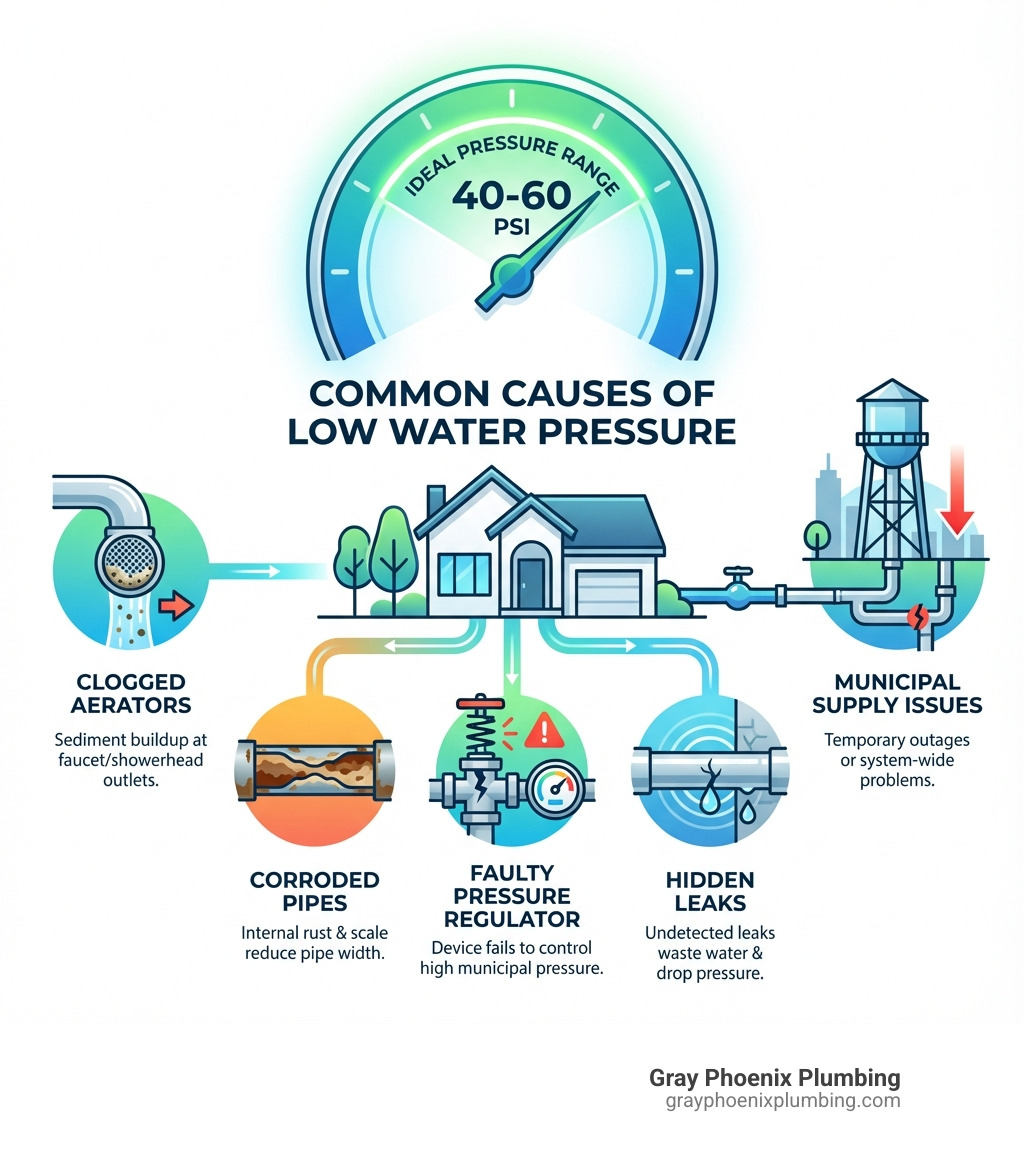
- Inspect your pressure regulator – Ideal home pressure is 40-60 PSI; test with a gauge
- Call a professional – If DIY fixes don’t work or you suspect pipe corrosion or major leaks
What is Low Water Pressure?
Water pressure is measured in pounds per square inch (PSI). Ideal home water pressure ranges between 40 and 60 PSI. Anything consistently below 40 PSI is considered low and will noticeably affect your daily water use. Pressures above 80 PSI can damage your plumbing and may require a regulator.
Common symptoms include:
- Weak stream from faucets or showerheads
- Long wait times to fill sinks, tubs, or washing machines
- Reduced performance from appliances like dishwashers
- Inconsistent pressure when multiple fixtures are in use
I’m Chris Hoffman, a Master Plumber with over 25 years of experience fixing the low water pressure Brighton homeowners face. My team has helped countless families in the Denver Metro and Elbert County areas restore strong, reliable water flow, handling everything from simple aerator cleanings to complex repiping projects.
First Steps: Diagnosing Your Low Water Pressure in Brighton
When you’re faced with a frustrating trickle instead of a steady stream, the first step is diagnosis. We need to narrow down the possibilities. Is the problem isolated to one spot, or is your entire home suffering from low water pressure Brighton? Let’s figure out where to start.
Is the issue in one faucet or the whole house?
This is the golden question! If only one fixture is experiencing low pressure, the problem is likely localized and often an easy fix.
- Clogged Aerator: Many faucets have a small screen called an aerator at the tip. Over time, mineral deposits (especially in areas with hard water like Colorado), sediment, or debris can build up and restrict water flow. This is a very common cause for a single faucet’s low pressure.
- Fixture-Specific Problem: Sometimes, the issue is within the fixture itself, as internal components can become worn or clogged.
- Simple Cleaning Steps: To fix a clogged aerator, simply unscrew it, clean out any gunk, and soak it in vinegar overnight to dissolve mineral buildup. For showerheads, you can unscrew them for cleaning or tie a plastic bag filled with vinegar around the head to soak. This simple trick often brings the flow right back!
Are your neighbors experiencing issues?
If low pressure affects all fixtures and cleaning hasn’t helped, check with your neighbors. This helps determine if the problem is your property or a broader issue with the municipal water supply in Brighton.
- Municipal Supply Problem: If neighbors also have low pressure, it suggests an issue with the city’s water infrastructure, like a water main break, planned maintenance, or heavy usage in the area.
- City Maintenance: Local water authorities sometimes perform maintenance that temporarily affects pressure. Check their website for alerts.
- Reporting to the City: If it’s a widespread problem, the City of Brighton’s Utilities Department may already be working on it. If not, your report can help them address the issue faster. Resources like Low Water Pressure | Denver Water offer guidance on reporting problems to your local provider.
Is it affecting both hot and cold water?
This distinction is key, as hot and cold water plumbing separates at your water heater.
- If only hot water has low pressure: The problem likely lies with your water heater. This could be due to sediment buildup in the tank blocking the outlet pipe, a faulty shut-off valve, or an issue with the dip tube. Older water heaters often accumulate sediment, reducing pressure. If you notice this, it might be time for a service or replacement. More info about water heater services can help you understand your options.
- If both hot and cold water have low pressure: This points to a problem with your main water supply line, your home’s main shut-off valve, your water pressure regulator, or a municipal issue. This type of problem typically requires a more thorough investigation by a professional plumber.
Common Causes of Low Water Pressure
Now that we’ve narrowed down the scope, let’s dive into the most common culprits behind low water pressure Brighton. Many of these issues are hidden, making them tricky for homeowners to identify without expert help.
Clogged or Corroded Pipes
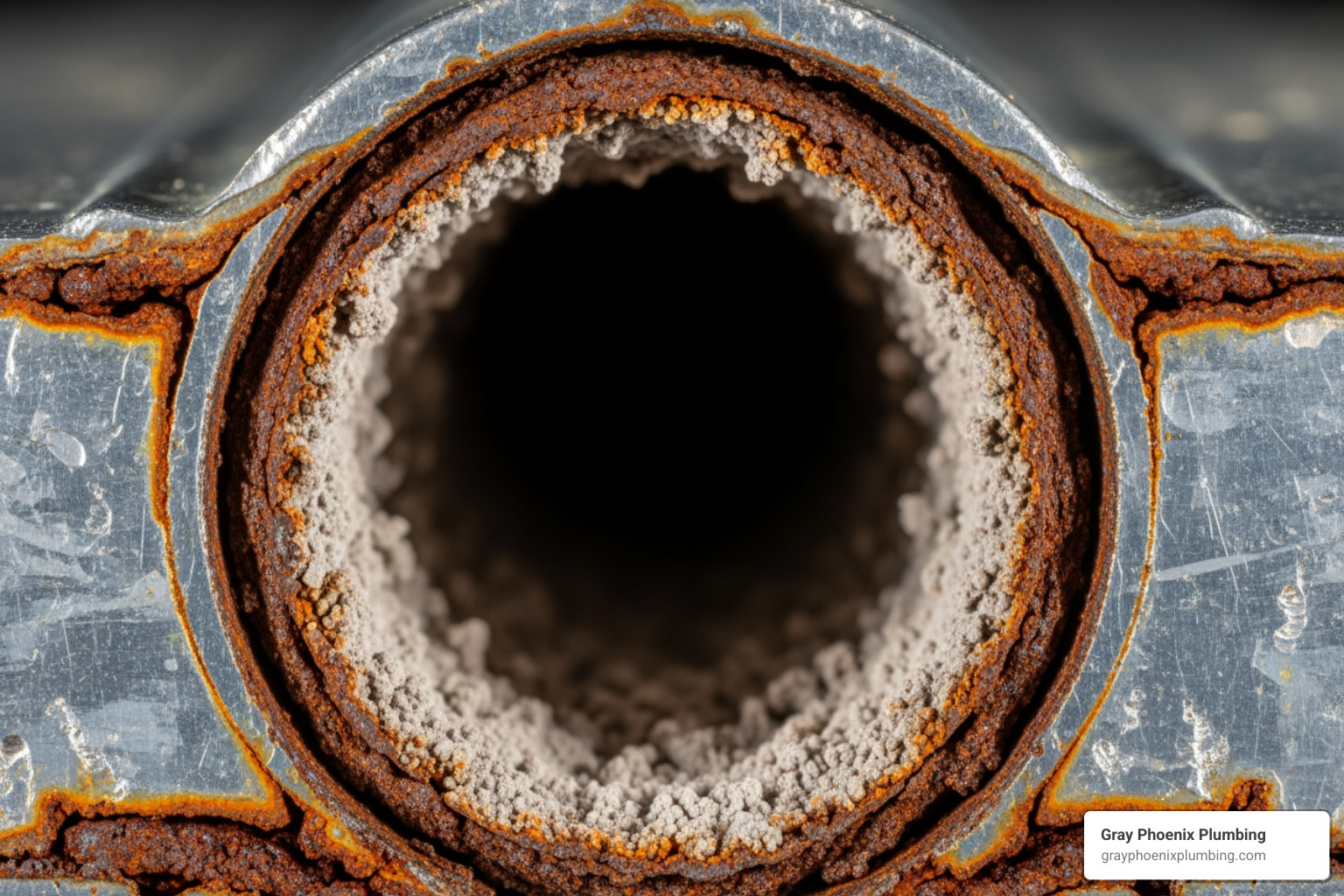
When pipes are clogged or corroded, your water struggles to get through, resulting in low pressure.
- Galvanized Steel Pipes: Many older homes in Brighton were built with galvanized steel pipes. These pipes are known for rusting from the inside out over time. This rust buildup reduces the pipe’s internal diameter, restricting water flow.
- Reduced Internal Diameter: Even in newer homes, mineral deposits (limescale) from hard water can accumulate inside pipes, slowly choking off the flow, especially in hot water lines.
- Signs of Corrosion: Besides low pressure, signs like discolored water (reddish-brown), strange odors, or frequent leaks can indicate severely corroded pipes. If you suspect your pipes are the problem, it might be time for repiping. More info about repiping services can provide solutions.
A Failing Water Pressure Regulator
Your home’s water pressure regulator ensures incoming municipal pressure isn’t too high for your plumbing. When it fails, it can cause pressure problems.
- Regulator Function: Many homes in areas with high municipal pressure (above 80 PSI) have a regulator to reduce it to the safe and ideal 40-60 PSI range. Without one, high pressure can damage appliances and cause leaks.
- Signs of Failure: A failing regulator can cause fluctuating water pressure, unusually high pressure, or consistent low pressure throughout your home. If your water pressure is erratic or consistently low, your regulator might be the issue.
- Inconsistent Pressure: If your shower suddenly becomes a firehose or your garden hose a dripping faucet, your regulator is likely acting up.
- Pressure over 80 PSI: If your incoming pressure is consistently over 80 PSI and you don’t have a regulator, we highly recommend installing one to protect your plumbing.
Hidden Water Leaks
A hidden water leak wastes water, reduces your home’s water pressure, and can cause significant damage.
- Checking the Water Meter: An easy way to detect a hidden leak is with a water meter test. Turn off all water in your home, then check your water meter. If the dial or leak indicator is still moving, you likely have a leak.
- Unexplained High Bills: A sudden, unexplained spike in your water bill is a classic sign of a leak.
- Damp Spots: Look for damp spots on walls, floors, or ceilings, musty odors, or the sound of running water when no fixtures are in use.
- Professional Leak Detection: Hidden leaks are difficult to locate without specialized equipment. Our team uses advanced techniques for water leak detection to pinpoint leaks accurately with minimal disruption.
How to Increase Water Pressure: DIY Fixes
Before calling the pros, several simple DIY steps can address low water pressure Brighton. These fixes are often quick, require minimal tools, and can save you a service call.
Clean Your Faucet Aerators and Showerheads
Mineral buildup is a common culprit, blocking the water’s path inside your fixtures.
- For Faucet Aerators:
- Unscrew the aerator from the faucet. Use a cloth with pliers to prevent scratching.
- Disassemble the aerator, noting the order of the parts.
- Rinse all parts to remove loose debris.
- Soak the parts in white vinegar for several hours or overnight to dissolve mineral buildup.
- Scrub with an old toothbrush if needed, then rinse and reassemble.
- For Showerheads:
- Unscrew the showerhead from the shower arm.
- Remove and clean any rubber washers or screens.
- Submerge the showerhead in a bucket or bag of white vinegar and let it soak for several hours.
- Use a small brush or toothpick to clear any remaining blockages from the nozzles.
- Rinse and reattach. This simple maintenance can make a world of difference.
Check Your Main Water Shutoff Valves
Sometimes, a partially closed valve is the simple explanation for restricted water flow to your home.
- Locating the Valves: Your main water shut-off valve is usually where the water line enters your home (basement, crawl space, or utility closet). Individual fixtures like toilets and sinks also have their own shut-off valves.
- Ensuring They Are Fully Open:
- Check your main shut-off valve first. For a gate valve (round handle), turn it counter-clockwise until it stops. For a ball valve (lever handle), ensure the handle is parallel with the pipe.
- Next, check the shut-off valves for any affected fixtures and make sure they are also fully open.
Test and Adjust Your Pressure Regulator
If you have a water pressure regulator, it can fail or drift out of adjustment, leading to low pressure.
- Locating the Regulator: The regulator is typically a bell-shaped device near your main water shut-off valve.
- How to Test with a Gauge: Use a water pressure gauge from a hardware store.
- Screw the gauge onto an outdoor spigot.
- With no other water running, read the PSI. The ideal range is 40-60 PSI. If it’s below 40 PSI, your regulator may be the problem.
- Adjusting the Screw:
- Loosen the locknut on the regulator’s adjustment screw.
- To increase pressure, turn the screw clockwise in small increments (e.g., a quarter turn).
- Run a faucet briefly to equalize the pressure.
- Recheck the pressure with your gauge. Repeat until you reach the 40-60 PSI range.
- Tighten the locknut.
- When to Call a Pro: If adjusting the screw doesn’t change the pressure, your regulator is likely faulty and needs professional replacement.
When to Call a Professional for Low Water Pressure Brighton
While DIY fixes are great for minor issues, some problems require an expert. Ignoring persistent low water pressure Brighton can lead to more significant damage, as it may be a symptom of a larger underlying issue.
Persistent Pressure Problems
If you’ve tried the DIY troubleshooting steps and your water pressure remains low, it’s time to bring in a professional.
- DIY Fixes Didn’t Work: If cleaning aerators and checking valves hasn’t restored your flow, the problem is deeper in your plumbing system.
- Pressure Drops Frequently: Fluctuating or regularly dropping pressure can indicate a failing component that needs a trained eye to diagnose.
- Multiple Fixtures Affected: When your whole home is suffering, it points to a problem with your main water line, pressure regulator, or main plumbing system. Our licensed pros have the tools to accurately pinpoint the source of these complex issues.
Suspected Pipe Leaks or Corrosion
Hidden leaks and corroded pipes can cause significant water damage, mold growth, and structural issues.
- Signs of Water Damage: Damp spots, discolored patches on walls or ceilings, or a persistent musty odor are all red flags for a leak.
- Discolored Water: Reddish-brown water is a strong indicator of corroded galvanized steel pipes, which are rusting from the inside out. This restricts flow and can impact water quality.
- Need for sewer scope inspection: While primarily for sewer lines, a comprehensive plumbing inspection using camera technology can help identify issues within water supply lines.
- Galvanized Pipe Replacement: If severe corrosion is found, repiping is often the most effective long-term solution. It restores optimal water pressure, improves water quality, and prevents future leaks. We are experts in repiping services, using modern materials like PEX or copper.
Faulty Pressure Regulator or Main Line Issues
These core components of your water supply system are best left to professionals.
- Regulator Replacement: A faulty pressure regulator needs to be replaced by a professional to prevent leaks or incorrect pressure settings. We can ensure your new regulator is installed and calibrated to the ideal 40-60 PSI.
- Issues Originating from the Street Connection: Problems with the main water line connecting your home to the municipal supply are not DIY projects. These repairs often require digging and specialized equipment. We have the expertise to handle these complex repairs safely and efficiently.
Understanding Brighton, CO Water Regulations
Living in Brighton, CO means following specific requirements to maintain the community’s water quality and infrastructure, especially concerning water pressure and backflow prevention.
Water Pressure and Backflow Prevention in Brighton
Homeowners play a critical role in preventing contamination of the public water supply.
- Cross-connections: A cross-connection is any link between the public drinking water supply and a source of contamination (e.g., a garden hose left in a bucket). This can allow dirty water to mix with clean water.
- Health Hazards: The danger of cross-connections is backflow, which is when water flow reverses, pulling contaminants like chemicals or bacteria into your drinking water. This poses serious health hazards.
- Backflow Definition: Backflow can be caused by a sudden drop in municipal water pressure (backsiphonage) or by higher pressure on the customer’s side (backpressure).
- Sudden Pressure Drops: The City of Brighton notes that pressure drops can occur from heavy usage, fires, or a broken water main. During these events, unprotected cross-connections can be dangerous.
- City Requirements: To safeguard drinking water, the City of Brighton is installing dual check valves on residential water meter yokes where feasible. While most single-family homes are not currently required to comply with the Annual Backflow Testing Program, they must adhere to the Plumbing Code and Building Department requirements from the time of construction. Farm or estate lots may have different requirements. We encourage residents to be aware of cross-connections and protect the city’s water system. For more information, you can refer to resources like More info on local water supply regulations.
Do You Need a Water Pressure Booster?
If your home has low water pressure even after ruling out common issues, a water pressure booster might be the solution.
- Boosting Flow vs. Pressure: A booster pump increases the pressure of water entering your home, which in turn improves the flow (the volume of water from your taps). It’s useful in areas where municipal pressure is inherently low.
- When a Booster is Appropriate: If you’re tired of weak showers due to genuinely low incoming pressure, a booster pump can drastically improve your daily water experience.
- Professional Installation: Installing a booster pump is a job for a licensed plumber. It involves connecting to your main water line and calibrating the system for optimal performance. Our team can assess your needs, recommend the right booster, and install it professionally.
Frequently Asked Questions about Low Water Pressure
Here are answers to some of the most common inquiries we receive from Brighton homeowners about low water pressure.
What is considered low water pressure in Brighton?
Ideal home water pressure is between 40 and 60 PSI. If your pressure is consistently below 40 PSI, it’s considered low. You’ll notice symptoms like weak showers, slow-filling tubs, and washing machines or dishwashers struggling to operate efficiently.
Can a water heater cause low water pressure?
Yes, but it typically only affects your hot water pressure.
- Sediment Buildup: Over time, sediment can accumulate in your water heater tank and block the hot water outlet pipe, restricting flow.
- Failing Valves: A faulty shut-off valve on the hot water line can also reduce hot water pressure.
- Solution: If you suspect your water heater is the problem, our team can inspect it, flush the sediment, or recommend a service or replacement. Addressing this can restore your hot water pressure and efficiency. Learn more in our guide on water heater replacement.
How do I know if the problem is with the city’s supply?
This distinction determines whether to call a plumber or the local water utility.
- Check with Neighbors: The easiest way to tell is to ask your neighbors. If multiple homes in your area have the same issue, it’s likely a municipal supply problem.
- Look for City Alerts: Check the City of Brighton’s Utilities Department website for alerts on maintenance or main breaks that might affect water pressure.
- Pressure Low at All Fixtures: If every fixture in your home has low pressure, it points toward the main supply line or the city’s infrastructure.
- Sudden, Widespread Outage: A sudden, widespread drop in pressure is almost certainly a city-level problem. In this case, contact the City of Brighton’s Utilities Department.
Conclusion: Restore Your Home’s Water Flow
Dealing with low water pressure Brighton is frustrating, but understanding the causes and knowing how to diagnose the problem are the first steps to restoring your home’s water flow.
From simple DIY fixes like cleaning aerators to more complex issues like corroded pipes or faulty pressure regulators, we’ve covered the main culprits. Your goal is to restore pressure to the ideal 40-60 PSI range for comfortable showers and efficient appliances.
While many minor issues can be resolved yourself, knowing when to call a professional is key. If your pressure problems persist, you suspect hidden leaks, or your pressure regulator is failing, don’t hesitate to reach out. Our licensed, background-checked pros at Gray Phoenix Plumbing are ready to provide transparent pricing and our Customer Care Guarantee.
We believe in empowering homeowners with knowledge while providing expert help when it’s needed most. For comprehensive plumbing solutions in the Brighton area, explore our general plumbing services. Let us help you boost your flow and bring back a strong, steady stream!


