

Why General Plumbing & Fixture Repair Matters for Every Homeowner
General Plumbing & Fixture Repair involves fixing and maintaining the essential components that deliver clean water to your home and remove wastewater safely. These repairs keep your daily routines running smoothly and protect your property from costly water damage.
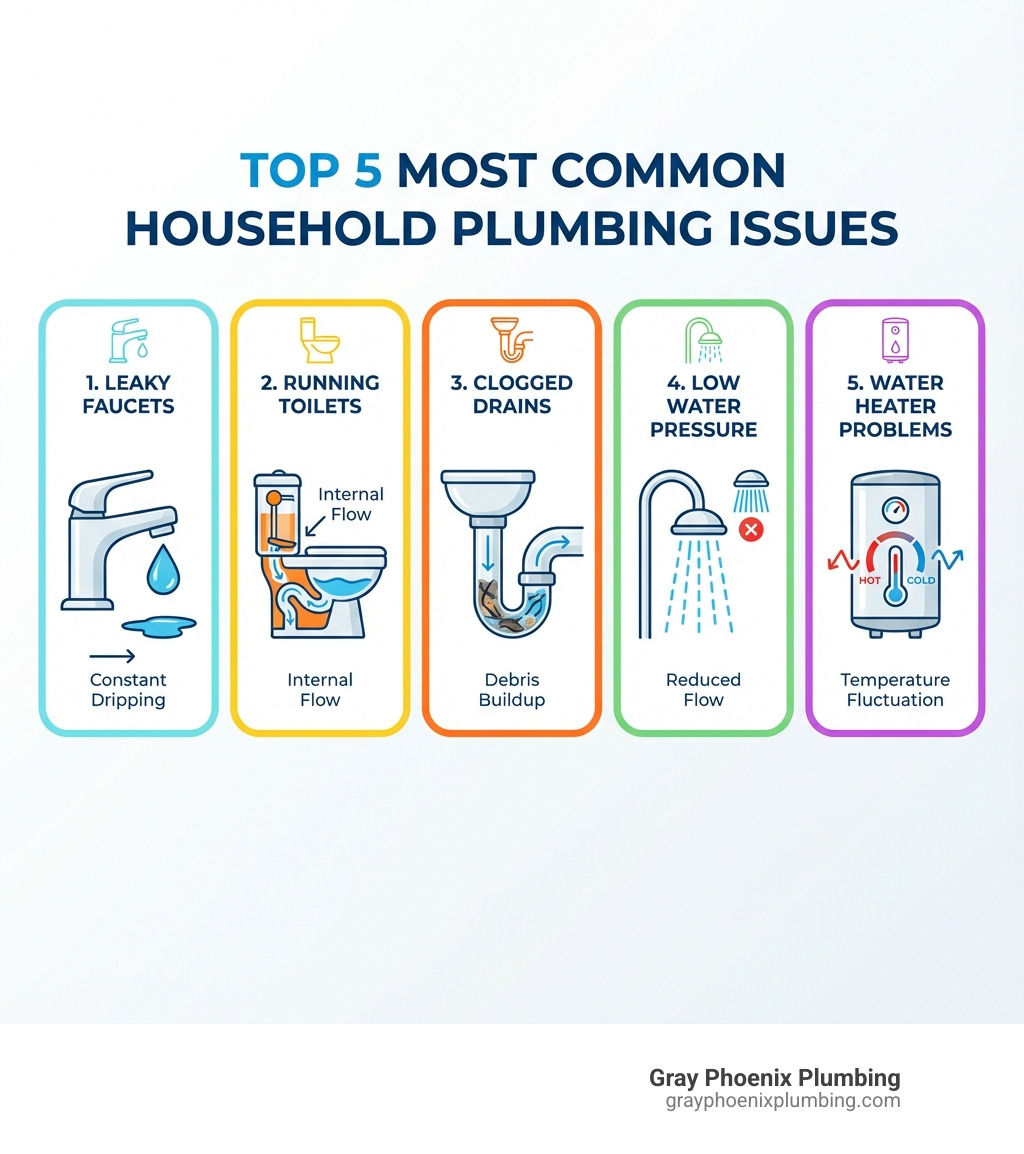
Most common general plumbing and fixture repairs include:
- Leaky faucets – Replacing worn washers, O-rings, or valve seats
- Running toilets – Fixing flappers, fill valves, or float mechanisms
- Clogged drains – Clearing blockages in sinks, tubs, and main lines
- Low water pressure – Addressing pipe clogs or fixture issues
- Dripping showerheads – Tightening connections or replacing washers
- Water heater problems – Repairing faulty components or flushing sediment
Understanding these basics saves you time, money, and stress. A running toilet can waste up to 200 gallons of water per day, while small leaks can waste thousands of gallons annually and spike your utility bills. More importantly, unaddressed plumbing issues can lead to mold growth, structural damage, and emergency repairs that cost far more than preventative fixes.
Most homeowners will face plumbing problems at some point. From hidden leaks that drive up water bills to fixtures that simply wear out over time, knowing how to spot issues early and when to take action makes all the difference. The average cost of a simple plumbing repair ranges from $170 to $450, but catching problems before they escalate can prevent repairs costing thousands.
I’m Chris Hoffman, a Master Plumber with over 25 years of experience in General Plumbing & Fixture Repair throughout the Denver Metro area and Elbert County. I’ve helped hundreds of homeowners solve everything from dripping faucets to complex system failures, and I’ve learned that the best repairs are the ones you prevent through knowledge and timely action.
Understanding General Plumbing & Fixture Repair
When we talk about General Plumbing & Fixture Repair, we’re covering a broad spectrum of services designed to keep the water flowing efficiently and safely throughout your home. It encompasses everything from the small nuisances like a dripping faucet to more significant issues like a sluggish water heater or a stubborn drain clog. Our aim is always to address the root cause of the problem, ensuring long-term solutions rather than just quick fixes.
The scope of general repairs typically includes:
- Faucets: Repairing leaks, replacing cartridges, or upgrading to new models in kitchens, bathrooms, and utility sinks.
- Toilets: Fixing continuous running, weak flushing, leaks, or replacing entire units.
- Sinks: Addressing clogs, leaks under the basin, or issues with drains and garbage disposals.
- Showers & Tubs: Repairing leaky showerheads, clogged drains, low water pressure, or issues with mixing valves.
- Garbage Disposals: Unclogging, repairing, or replacing malfunctioning units.
- Water Heaters: Diagnosing issues like no hot water, inconsistent temperatures, strange noises, or leaks, and performing repairs or full replacements.
- Piping: Fixing minor leaks in exposed pipes, addressing noisy pipes, or insulating pipes against Colorado’s winter chill.
- Outdoor Plumbing: Repairing leaky outdoor spigots or ensuring proper winterization.
The benefits of addressing these issues promptly can’t be overstated. Not only does it prevent small problems from escalating into major, costly disasters, but it also contributes to water conservation, prevents mold growth, and protects your home’s structural integrity. Imagine the peace of mind knowing your plumbing system is running efficiently!
What Constitutes a Plumbing Fixture?
A plumbing fixture is essentially any device that connects to your home’s water supply system to deliver water or remove wastewater. These are the visible components of your plumbing that we interact with daily. They are designed for specific purposes but share the fundamental goal of providing safe and reliable water access.
Common plumbing fixtures in your home include:
- Sinks: Found in kitchens, bathrooms, and utility rooms.
- Tubs and Showerheads: Essential for bathing.
- Toilets: For waste removal.
- Faucets: Control water flow and temperature at sinks and tubs.
- Garbage Disposals: Grinders installed under kitchen sinks.
- Dishwashers and Washing Machines: While appliances, they connect directly to your plumbing system via fixtures.
- Water Filtration Systems: These are increasingly common fixtures that ensure the quality of your drinking water. You can find More info about water filtration systems.
Every fixture should ideally have a shut-off valve on its water supply line. This is crucial for quickly stopping water flow during leaks or repairs, preventing a minor drip from becoming a major flood.
The Benefits of Timely Repairs
We’ve all been there – a small drip under the sink, a toilet that runs a little too long. It’s easy to put off these seemingly minor issues, but we’ve seen how quickly they can escalate. Addressing plumbing problems promptly offers several key benefits for homeowners in Elizabeth, CO, and surrounding areas:
- Lower Utility Bills: Small leaks can waste thousands of gallons of water per year, leading to higher utility bills. For instance, a running toilet can silently rack up an extra 200 gallons of water per day on your bill. Fixing these issues reduces water consumption and saves you money.
- Protecting Property Value: Water damage can be insidious. Hidden leaks can lead to rot, mold, and structural damage that compromises your home’s integrity and significantly reduces its market value. Timely repairs protect your investment.
- Peace of Mind: There’s a certain comfort in knowing your home’s systems are functioning correctly. Avoiding the stress of unexpected plumbing emergencies, especially in the middle of a cold Colorado night, is invaluable.
- Preventing Emergencies: Many major plumbing emergencies start as small, manageable problems. A persistent leak can weaken pipes, leading to a burst pipe. A slow drain can become a complete blockage. Proactive repairs prevent these larger, more disruptive events.
- Health and Safety: Stagnant water from leaks can create breeding grounds for mold and mildew, impacting indoor air quality and potentially causing health issues. Gas line leaks, though less common, pose a serious risk of fire or explosion and require immediate professional attention.
By taking a proactive approach to General Plumbing & Fixture Repair, you’re not just fixing a problem; you’re investing in the long-term health and efficiency of your home.
Common Plumbing Problems and Their Telltale Signs
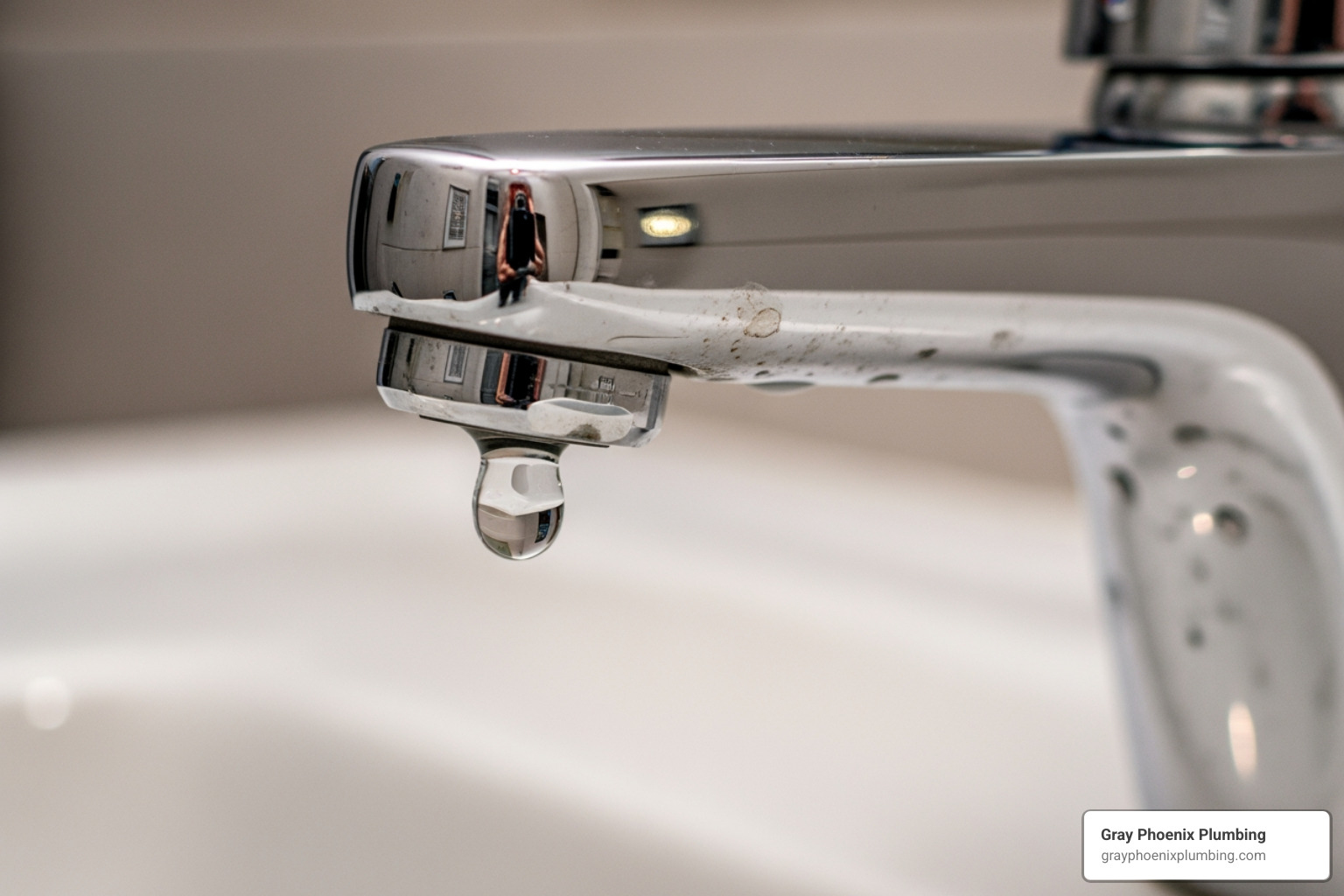
Plumbing issues can pop up anywhere water flows in your home. From the kitchen sink to the utility room, understanding the common problems and their telltale signs empowers you to act quickly.
- Kitchen Plumbing: Often involves garbage disposals, sink clogs from food scraps and grease, and leaky faucets.
- Bathroom Plumbing: Frequently sees issues with running toilets, clogged shower or sink drains (hello, hair!), and dripping faucets.
- Utility Room Problems: Leaks around washing machine hoses, utility sink clogs, or issues with water heaters are common here.
- Outdoor Spigots: These can leak or freeze if not properly winterized in our Colorado climate.
Leaks, Drips, and Low Pressure
These are some of the most frustrating and potentially damaging plumbing issues we encounter.
- Visible Drips: The easiest to spot, like a persistent drip from a faucet or showerhead. While annoying, these are often simple fixes like replacing a washer or O-ring. But don’t let their simplicity fool you; a constant drip can waste a surprising amount of water and drive up your bills.
- Hidden Leaks: These are the silent destroyers. Signs include unexplained water stains on ceilings or walls, a persistent musty odor, or bubbling paint. The most telling sign is a sudden, unexplained spike in your water bill, even if you haven’t changed your usage habits. These leaks can be behind walls, under floors, or even underground, and they require specialized detection. For these tricky situations, we offer advanced leak detection services. You can learn More info about water leak detection.
- Low Water Pressure: Stepping into a weak shower is never a good way to start the day. Low water pressure can stem from several issues, including mineral buildup in showerheads or aerators, partially closed shut-off valves, or more serious problems like clogs within your pipes or issues with your main water supply line. Old, corroded pipes, common in older homes across the Denver Metro area, are also a frequent culprit, causing discolored water and reduced flow.
Clogs and Slow Drains
A clogged or slow drain is an inconvenience that can quickly turn into a messy problem. Nobody enjoys standing in ankle-deep water during a shower or dealing with a perpetually backed-up kitchen sink.
- Signs: Gurgling sounds from drains (especially after flushing a toilet), water backing up into sinks or tubs, or simply a drain that takes forever to clear.
- Common Culprits: We’ve seen it all! In bathroom drains, hair is the number one offender, often combined with soap scum. Kitchen sinks are prone to clogs from food scraps, grease, and fat deposits. In toilets, non-flushable wipes, paper towels, and excessive toilet paper are the usual suspects. While liquid drain cleaners might offer a temporary fix, they can often do more harm than good to your pipes in the long run.
Malfunctioning Toilets and Water Heaters
These two fixtures are critical for daily comfort, and their malfunctions can quickly disrupt your household.
- Running Toilets: That constant “shhhh” sound or the toilet randomly refilling itself (often called “phantom flushing”) is a clear sign of a running toilet. This is usually due to a faulty fill valve or an improper seal from the flapper at the bottom of the tank. As we mentioned, this seemingly minor issue can waste up to 200 gallons of water per day, silently increasing your utility bills.
- Water Heaters: Nothing ruins a morning like a cold shower! Common water heater problems include:
- No hot water: Could be a faulty heating element, pilot light issue, or thermostat problem.
- Inconsistent water temperature: Often a sign of a failing heating element or a buildup of sediment in the tank.
- Strange noises: Popping, rumbling, or hissing sounds usually indicate sediment buildup at the bottom of the tank, which reduces efficiency and can shorten the unit’s lifespan.
- Leaks: Any visible water around the base of your water heater is an urgent issue.
For significant water heater issues, a repair might be possible, but sometimes replacement is the most cost-effective and energy-efficient solution. We can help you determine the best course of action, including exploring options for traditional tank or tankless water heaters. For more serious issues, we provide information on More info about water heater replacement.
The Homeowner’s Toolkit for General Plumbing & Fixture Repair
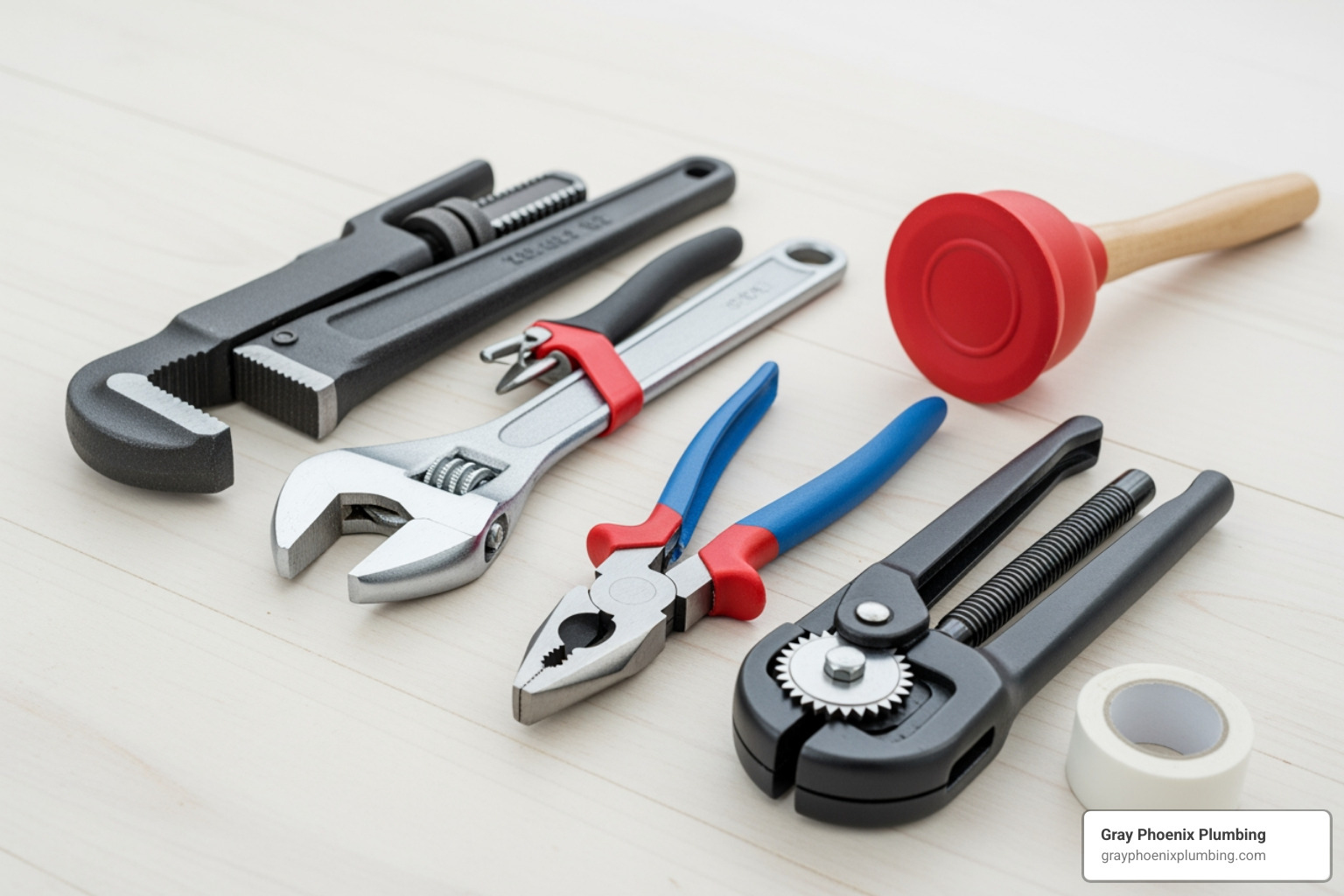
Every homeowner in Elizabeth, CO, and surrounding areas should have a basic plumbing toolkit on hand. While we’re always here for complex issues, having the right tools for minor General Plumbing & Fixture Repair can save you a service call and give you a sense of accomplishment. Before you tackle any repair, remember: safety first! Always know where your main water shut-off valve is (and how to use it) and, if dealing with electrical components, ensure the power is off. It’s also vital to assess the situation and know your limits – attempting a DIY fix on a major issue can lead to more expensive problems.
Essential Tools for Basic General Plumbing & Fixture Repair
Here’s what we recommend for your home plumbing toolkit:
- Plunger (cup and flange): A cup plunger is for sinks and tubs, while a flange plunger (with the extended rubber lip) is specifically designed for toilets.
- Adjustable Pipe Wrench: Essential for tightening and loosening nuts on pipes and fixtures.
- Tongue-and-Groove Pliers (Channel Locks): These offer excellent grip and leverage for various plumbing tasks.
- Drain Snake (Hand Auger): A flexible tool for clearing stubborn clogs deeper in drains than a plunger can reach.
- Screwdriver Set: Flathead and Phillips head screwdrivers for various fixture components.
- Bucket and Towels: Always have these on hand to catch any drips or spills.
- Plumber’s Tape (PTFE Tape): Used to create a watertight seal on threaded pipe connections, preventing leaks.
- Flashlight: For peering into dark cabinets or under sinks.
- Safety Glasses and Gloves: Protect your eyes and hands from chemicals or debris.
DIY Fixes for Minor Issues
With your basic toolkit ready, here are a few common DIY fixes you can try:
-
Fixing a Leaky Faucet (Replacing Washers/O-rings):
- Turn off the water supply to the faucet, either at the fixture’s shut-off valves or the main house valve.
- Cover the drain to prevent small parts from falling in.
- Disassemble the faucet using screwdrivers and pliers. Take photos as you go to help with reassembly.
- Identify and replace any worn-out rubber washers, O-rings, or valve seats. These are often the culprits for drips.
- Reassemble the faucet, hand-tightening connections, then use a wrench for a final snug fit.
- Turn the water back on slowly and check for leaks.
-
Clearing a Simple Drain Clog:
- Start with a plunger: Ensure there’s enough water in the sink/tub to cover the plunger’s rim. Plunge vigorously for 20-30 seconds.
- Try baking soda and vinegar: Pour 1/2 cup baking soda down the drain, followed by 1/2 cup white vinegar. Let it sit for 30 minutes to an hour (or longer for tough clogs), then flush with hot water.
- Use a drain snake: If plunging and baking soda fail, carefully insert a hand auger into the drain opening, feeding it until you hit the clog. Rotate and pull back to clear the obstruction.
-
Fixing a Running Toilet (Flapper or Fill Valve):
- Remove the tank lid.
- Check the flapper: This rubber or plastic seal at the bottom of the tank lifts to allow water into the bowl. If it’s worn, cracked, or not sealing correctly, water will continuously leak into the bowl. Replace it if damaged.
- Check the fill valve and float: The fill valve controls water refilling the tank. The float mechanism (a ball or cup) tells the fill valve when to stop. Ensure the float isn’t set too high (causing water to constantly overflow into the overflow tube) or too low (preventing a full flush). Adjust or replace components as needed.
- Test: Flush the toilet and observe the refilling cycle.
When to Call a Professional Plumber
While DIY can handle minor issues, there are clear situations where calling a professional plumber is not just advisable, but essential for the safety and integrity of your home. We’re here for you across Elizabeth, CO, Elbert County, Parker, Castle Rock, and beyond.
- Major Leaks or Burst Pipes: If you have water actively gushing or a significant leak that your main shut-off valve can’t stop, it’s an emergency. Shut off your main water supply immediately and call us.
- Sewer Line Backups: If multiple drains are backing up, or you notice foul odors and sewage in your lowest drains, it indicates a main sewer line issue. This is a health hazard and requires professional attention, often including a sewer scope inspection. You can find More info about sewer scope inspection.
- Gas Line Issues: Any smell of natural gas (like rotten eggs) or a suspected gas leak is a serious emergency. Evacuate your home, call your gas company, and then call us. Never attempt to fix a gas leak yourself.
- Hidden Water Leaks: If you suspect a hidden leak (high water bill, damp spots, musty smells) but can’t locate the source, our specialized leak detection equipment can pinpoint the problem without destructive digging.
- When DIY Attempts Fail: We understand the desire to save money, but if your DIY fix doesn’t solve the problem, or worse, makes it more complicated, it’s time to call in the experts. Incorrect DIY can lead to more expensive problems in the long run.
- Complex Installations or Upgrades: Installing new water heaters, re-piping, or major fixture upgrades often require specific tools, permits, and expertise to ensure they meet local codes and function correctly.
The average cost for a plumbing inspection ranges from $100 to $300, which is a small price to pay to avoid the potential thousands in damage from an undetected or improperly repaired issue.
Maintenance, Costs, and Modern Upgrades
Taking a proactive approach to your home’s plumbing is always more cost-effective than a reactive one. Regular maintenance and smart upgrades can save you money, improve efficiency, and improve your home’s comfort.
Preventative Maintenance to Avoid Problems
We believe that an ounce of prevention is worth a pound of cure, especially when it comes to plumbing. Here are some preventative maintenance tips for homeowners in our Colorado service areas:
- Regularly Check for Leaks: Periodically inspect under sinks, around toilets, and near water heaters for any signs of moisture, drips, or discoloration. Pay attention to unexplained spikes in your water bill.
- Clean Drain Stoppers: Regularly remove and clean drain stoppers in sinks and tubs to clear accumulated hair and debris before they form stubborn clogs.
- Flush Water Heater Annually: Sediment buildup at the bottom of your water heater tank reduces its efficiency and lifespan. Flushing the tank once a year helps remove this sediment, improving performance and preventing costly repairs.
- Insulate Pipes for Winter: Given our Colorado climate, insulating exposed pipes in unheated areas (garages, crawl spaces, basements) is crucial to prevent freezing and bursting. Disconnect and drain outdoor hoses before the first hard freeze.
- Know Your Main Water Shut-Off Valve Location: In an emergency, knowing how to quickly turn off your home’s main water supply can prevent extensive water damage. Make sure everyone in your household knows its location and how to operate it.
- Mindful Usage: Avoid flushing non-flushable items down toilets and be careful about what goes down your kitchen drain (especially grease and coffee grounds).
Estimating Costs for General Plumbing & Fixture Repair
When a plumbing issue arises, one of the first questions is always, “How much will this cost?” The average cost of a plumbing repair ranges from $170 to $450, with most homeowners spending around $317 for a simple repair like a leaky faucet or toilet. However, this can vary widely.
Factors influencing the cost include:
- Type and Complexity of Repair: A simple O-ring replacement is cheaper than diagnosing and repairing a hidden pipe leak.
- Labor Costs: Our licensed and background-checked pros provide efficient, quality service, and our transparent pricing means no hidden fees.
- Parts and Materials: High-quality replacement parts might cost more upfront but often last longer.
- Emergency vs. Scheduled Service: Emergency services, especially outside of regular business hours, typically incur higher fees.
- Location: While we serve a wide area, costs can slightly vary.
While DIY plumbing repairs can save on labor costs, they “may lead to more expensive problems if not done correctly.” We always provide upfront, written estimates so you know what to expect before we begin any work.
Repair vs. Replace: Making the Right Choice
This is a common dilemma, especially with older fixtures or appliances. Should you fix that leaky faucet one more time, or is it time for an upgrade? Here’s how we help you make an informed decision:
| Factor | Repair | Replace |
|---|---|---|
| Age of Fixture | Good for newer fixtures (under 5-7 years) or high-quality units. | Ideal for older fixtures (10+ years) nearing the end of their lifespan. |
| Cost of Repair | Cost-effective for minor issues (e.g., replacing a washer, flapper). | More economical if repair cost approaches 50% of a new unit’s price. |
| Frequency of Problems | If it’s a one-off issue. | If the same problem keeps recurring despite repairs. |
| Efficiency Gains | No significant improvement in water or energy efficiency. | Opportunity to upgrade to low-flow or energy-efficient models. |
| Aesthetics | Maintains existing look. | Allows for a fresh look, modern design, and improved functionality. |
| Warranty | Repair might extend the life of the existing part. | New fixtures come with a new manufacturer’s warranty. |
You can explore various options for new plumbing fixtures at places like Plumbing supply options.
The latest trends in General Plumbing & Fixture Repair often lean towards efficiency and smart technology. Low-flow fixtures (faucets, showerheads, toilets) can significantly reduce water consumption without sacrificing performance. Smart leak detectors can alert you to problems early, and tankless water heaters offer energy savings by heating water on demand. We stay abreast of these innovations to offer you the best solutions for your home.
Frequently Asked Questions about General Plumbing & Fixture Repair
We often hear similar questions from homeowners in Elizabeth, CO, and across the Denver Metro area. Here are some of the most common ones:
How can I prevent most common plumbing issues?
Prevention is always key! We recommend:
- Regular Maintenance: Periodically check for leaks, clean drain stoppers, and flush your water heater annually.
- Mindful Usage: Be conscious of what goes down your drains and toilets. Avoid grease, coffee grounds, and non-flushable wipes.
- Addressing Small Problems Quickly: Don’t ignore a dripping faucet or a running toilet; fix them before they escalate.
- Annual Professional Inspections: A plumbing inspection can identify potential issues before they become major problems. We can spot worn parts, corrosion, or other concerns that might not be obvious to the untrained eye.
What should I do in a plumbing emergency?
First, shut off the main water supply to your home to prevent further damage. Then, call a professional plumber for immediate assistance. For situations like major leaks, burst pipes, or sewer backups, acting quickly is crucial. We offer More info about emergency services for our clients in Elizabeth, CO, and surrounding communities.
Are chemical drain cleaners safe to use?
They should be used sparingly. While they often work in the short term, “liquid drain cleaners can damage sinks, pipes, and plumbing.” Overuse can corrode pipes, especially older ones, and lead to more severe damage down the line. We generally recommend avoiding them. Mechanical methods like a drain snake (or a professional drain cleaning service) are often safer and more effective for stubborn clogs, as they physically remove the obstruction rather than relying on harsh chemicals.
Conclusion
We’ve covered a lot about General Plumbing & Fixture Repair, from understanding what it entails to identifying common problems, performing basic DIY fixes, and knowing when to call the pros. The main takeaway is clear: proactive maintenance and timely repairs are crucial for maintaining a safe, functional, and efficient home.
By being aware of the signs of plumbing issues, having a basic toolkit, and understanding the benefits of addressing problems promptly, you can save yourself significant time, money, and stress. Small leaks can waste thousands of gallons of water per year, and a running toilet can add 200 gallons per day to your water bill.
While we encourage homeowners to tackle minor issues, we also emphasize the importance of knowing when to call a professional. For complex repairs, hidden leaks, gas line issues, or persistent problems, our licensed and experienced plumbers are always ready to help.
For residents in Elizabeth, CO, and surrounding areas, Gray Phoenix Plumbing offers reliable residential plumbing, heating, cooling, and electrical services. We are a family-owned business known for licensed, background-checked pros, transparent pricing, and a Customer Care Guarantee, making us a one-stop shop for home service needs. When you need expert General Plumbing & Fixture Repair, you know who to trust. Contact us for your general plumbing needs today!


