

Why Fast, Professional Gas Line Repair in Centennial Matters
Gas line repair Centennial services are critical when you suspect a leak or damage to your home’s natural gas system. If you smell rotten eggs, hear hissing sounds near your gas lines, or notice dead vegetation around your property, evacuate immediately and call 911 or your utility company (Xcel Energy at 1-800-895-2999). Then contact a licensed professional for repair.
Quick Action Steps for Gas Line Emergencies:
- Evacuate – Get everyone out of the building immediately
- Avoid ignition sources – Don’t use light switches, phones, or electronics inside
- Call for help – Contact 911 or Xcel Energy first, then a licensed gas line professional
- Stay outside – Do not re-enter until cleared by professionals
Natural gas powers some of the most essential systems in your Centennial home—your furnace, water heater, stove, and dryer. When properly installed and maintained, it’s safe, efficient, and clean. But when gas lines fail, the consequences can be catastrophic. As one industry source notes, “gas lines transport volatile, flammable gas from secure lines into homes,” making their integrity absolutely critical for your property and family’s safety.
The danger is real. Natural gas fumes are poisonous and highly flammable. A leak can cause sudden physical symptoms like lightheadedness, nausea, and headaches. In worst-case scenarios, it can lead to fires, explosions, or carbon monoxide poisoning. That’s why professional intervention isn’t just recommended—it’s essential.
Unlike a clogged drain or a dripping faucet, gas line issues demand immediate expert attention. DIY repairs are not just inadvisable; they’re dangerous and often illegal. Only licensed professionals have the training, specialized equipment, and certification to safely detect leaks, repair damaged lines, and ensure your system meets local building codes.
Common causes of gas line damage in Centennial include natural wear and tear, corrosion from Colorado’s environmental conditions, shifting soil, tree root intrusion, and accidental impacts during construction or landscaping. Many of these issues develop slowly over time, which is why regular professional inspections—recommended every 1-2 years—are crucial for catching problems before they become emergencies.
I’m Chris Hoffman, Master Plumber and founder of Gray Phoenix Plumbing, with over 25 years of experience handling complex plumbing and gas line repair Centennial projects throughout the Denver Metro area. My team and I have responded to countless gas line emergencies, and we understand the urgency and precision these situations demand.
Recognizing the Red Flags: Telltale Signs of a Gas Leak
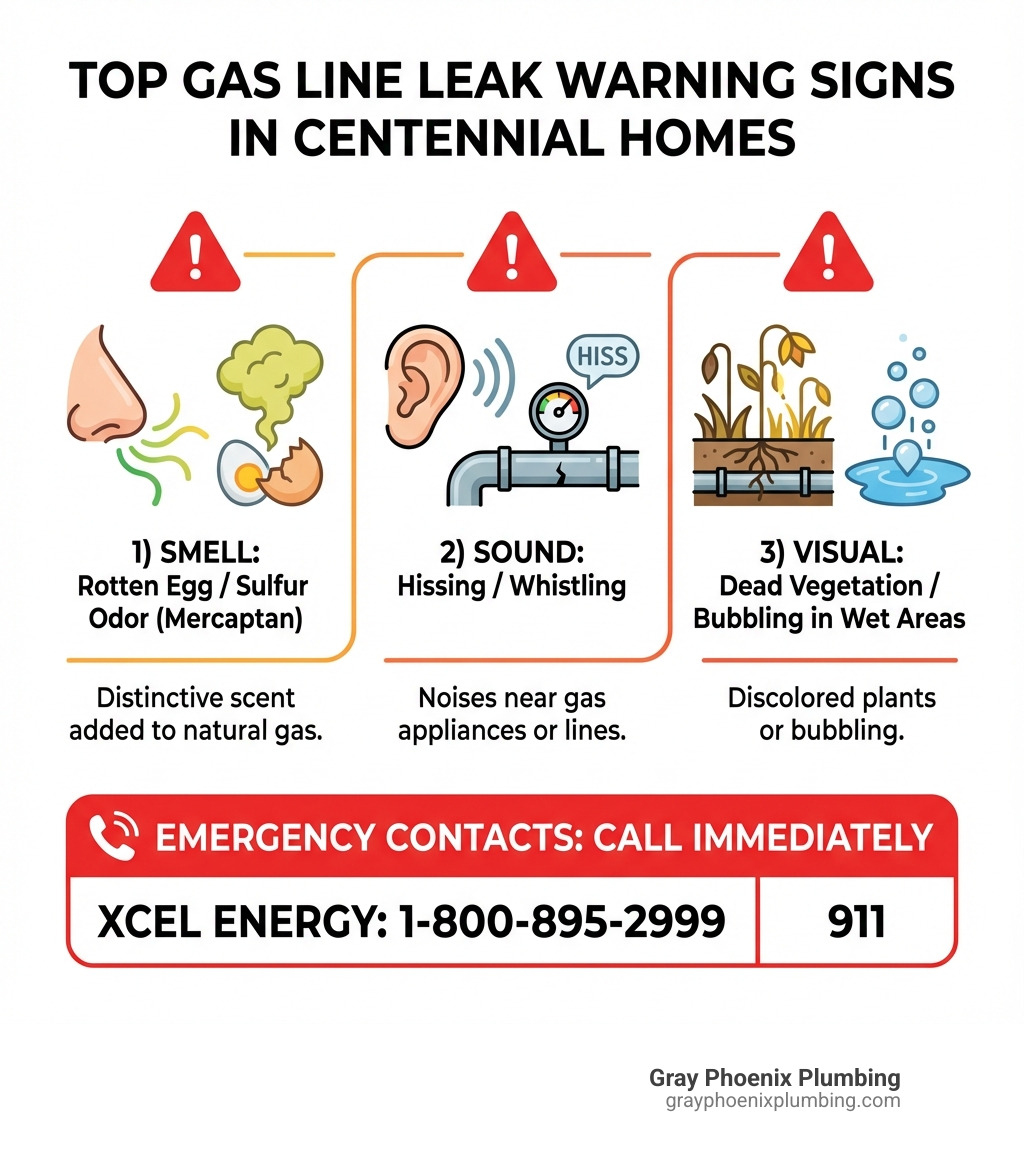
The first step in protecting your home and family from the dangers of a gas leak is knowing what to look for. While natural gas is odorless, utility companies add a distinct chemical called mercaptan, giving it a strong “rotten egg” or “sulfur” smell. This is your primary warning system. But it’s not the only one. Homeowners in Centennial, Castle Rock, Parker, and our other service areas should be aware of several key indicators.
Sensory Clues: What You Might Smell or Hear
The most common and immediate sign of a gas leak is that unmistakable odor. If you’ve ever smelled rotten eggs, you’ll recognize it instantly. This isn’t the gas itself, but rather the mercaptan added to it specifically for leak detection. If you pick up on this scent anywhere in or around your home, take it seriously.
Beyond smell, listen closely. A gas leak can sometimes produce audible cues. You might hear:
- Hissing sounds: This often indicates gas rapidly escaping from a pipe or appliance connection.
- Whistling noises: Similar to a hiss, a whistle can suggest a smaller but steady stream of gas escaping.
These sounds might be more noticeable near gas lines, appliances like your furnace or water heater, or even outside if the leak is underground. If you hear anything unusual, especially in conjunction with the rotten egg smell, act quickly.
Visual Indicators Around Your Property
Sometimes, a gas leak can leave visual evidence, particularly for outdoor lines. Keep an eye out for:
- Dead or dying vegetation: Gas leaks can starve plants of oxygen, causing them to wilt, turn yellow, or die in an otherwise healthy area. This is sometimes described as plants acting like “canaries in a coal mine” for gas leaks.
- Discolored grass near pipelines: If a patch of grass directly above an underground gas line suddenly changes color or dies, it could be a strong indicator of a leak.
- Bubbling in puddles or wet ground: If you notice continuous bubbles appearing in standing water or wet soil, it could be gas escaping from a subterranean pipe.
These visual signs, while less urgent than a strong smell, still warrant immediate professional investigation.
Unexplained Physical Symptoms and Appliance Issues
Gas leaks can also affect your health and the performance of your appliances. If you or members of your household experience any of the following without a clear cause, a gas leak could be to blame:
- Dizziness, lightheadedness, or fatigue: Inhaling natural gas fumes can lead to these symptoms.
- Nausea: Feeling sick to your stomach can be another physical sign.
- Headaches: Persistent or unexplained headaches can also be a symptom.
If multiple people in your home experience these symptoms simultaneously, especially if they subside when you leave the house, it’s a critical warning sign.
Additionally, pay attention to your gas-powered appliances:
- Malfunctioning gas appliances: If your gas stove isn’t lighting properly, your water heater isn’t heating water efficiently, or your furnace is acting strangely, it could indicate a gas supply issue or a leak affecting performance.
- Unexpectedly high gas bills: A sudden, unexplained spike in your monthly gas bill could point to a hidden leak, as gas is being consumed without being used by your appliances.
We understand these signs can be unsettling. But recognizing them early is your best defense. If you observe any of these red flags in your Centennial home, follow our emergency steps immediately.
The Dangers of DIY: Why Professional Service is Non-Negotiable
When it comes to plumbing issues, some minor tasks might seem manageable for the average homeowner. A leaky faucet? Maybe. A running toilet? Perhaps. But a gas line? Absolutely not. Attempting to tackle gas line repair Centennial yourself is not just ill-advised; it’s incredibly dangerous and can have severe, lasting consequences.
The Critical Risks of Amateur Gas Line Work
Natural gas is a powerful and volatile energy source. Even a small mistake during a DIY repair can escalate into a catastrophe. Here’s why you should never attempt to fix a gas line yourself:
- Fire and explosion hazards: This is the most immediate and terrifying risk. Natural gas is highly flammable, and even a tiny spark from a light switch, a static discharge, or an appliance can ignite escaping gas, leading to a devastating fire or explosion. The integrity of gas lines is critical, as they transport “volatile, flammable gas from secure lines into homes.”
- Carbon monoxide poisoning: Incomplete combustion of natural gas, often due to improperly installed or repaired lines or appliances, produces carbon monoxide (CO). This odorless, colorless gas is a silent killer, causing symptoms like headaches, dizziness, nausea, and, in severe cases, unconsciousness and death.
- Violation of local codes and regulations: Gas line work is heavily regulated by strict building codes to ensure public safety. Unlicensed work almost certainly violates these codes, which can lead to hefty fines, require costly professional remediation, and complicate future property sales.
- Voiding homeowners insurance: Most homeowners insurance policies explicitly exclude coverage for damages resulting from unlicensed or DIY gas line work. If an incident occurs due to your amateur repair, you could be left financially responsible for all damages, injuries, and liabilities.
- Lack of specialized tools and expertise: Professionals have specialized equipment for leak detection, pressure testing, and proper installation. They understand the nuances of different pipe materials and connection methods. DIY solutions are particularly dangerous due to flammable materials and proximity to people and objects.
The consensus from every industry expert is clear: “Hooking up and repairing gas line equipment is dangerous and best left to a local gasfitting professional.”
The Professional Advantage: Safety, Codes, and Compliance
Choosing a professional for your gas line repair Centennial isn’t just about convenience; it’s about guaranteeing safety and compliance. When you entrust your gas lines to us, you benefit from:
- Licensed and certified technicians: Our team comprises licensed, background-checked pros who have undergone rigorous training and certification to handle gas line installations, repairs, and replacements safely and effectively. We understand the meaning of hard work and apply it to every job.
- Adherence to Centennial building codes: We are intimately familiar with local building codes and regulations in Centennial, Parker, Castle Rock, and all our service areas. We ensure all work meets or exceeds these standards, protecting your home and ensuring legality.
- Proper permitting process: Gas line work often requires permits from local authorities. We handle the entire permitting process, coordinating with city officials and inspectors to ensure every step is compliant. Our close relationships with local building divisions and inspectors can help expedite the process.
- Specialized leak detection equipment: We use advanced tools to accurately pinpoint leaks, even the smallest ones that might be invisible or inaudible to the naked eye. This precision ensures that the problem is identified and resolved quickly and completely.
- Experience with various pipe materials: Whether your home has traditional black iron pipe, flexible corrugated stainless steel tubing (CSST), or another material, our technicians have the experience to work with it safely and correctly.
Professional gas line maintenance preserves plumbing and gas systems with effective and economical methods. We offer reliable and safe gas line services for both residential and light commercial properties in Centennial, CO, ensuring that your home’s gas system is not only functional but also secure.
The Professional Gas Line Repair Centennial Process: From Leak to Resolution
When a gas leak is suspected in your Centennial home, the situation demands a structured, professional response. We follow a meticulous process to ensure your safety first, then efficiently diagnose and resolve the issue.
Step 1: Emergency Response and Safety Protocol
Your safety is our absolute top priority. If you suspect a gas leak:
- Evacuate the premises: Get everyone, including pets, out of the building immediately. Do not delay.
- Avoid using electronics: Do not flip light switches, use cell phones, turn on or off appliances, or use any other electrical devices while inside or near the suspected leak area. A small spark can ignite escaping gas.
- Do not ignite flames: This includes lighting matches, lighters, or even turning on a gas stove.
- Call 911 or your utility company (Xcel Energy): Once you are safely away from the property, call 911 and your local gas provider (Xcel Energy at 1-800-895-2999). They will dispatch emergency services and potentially shut off your gas meter.
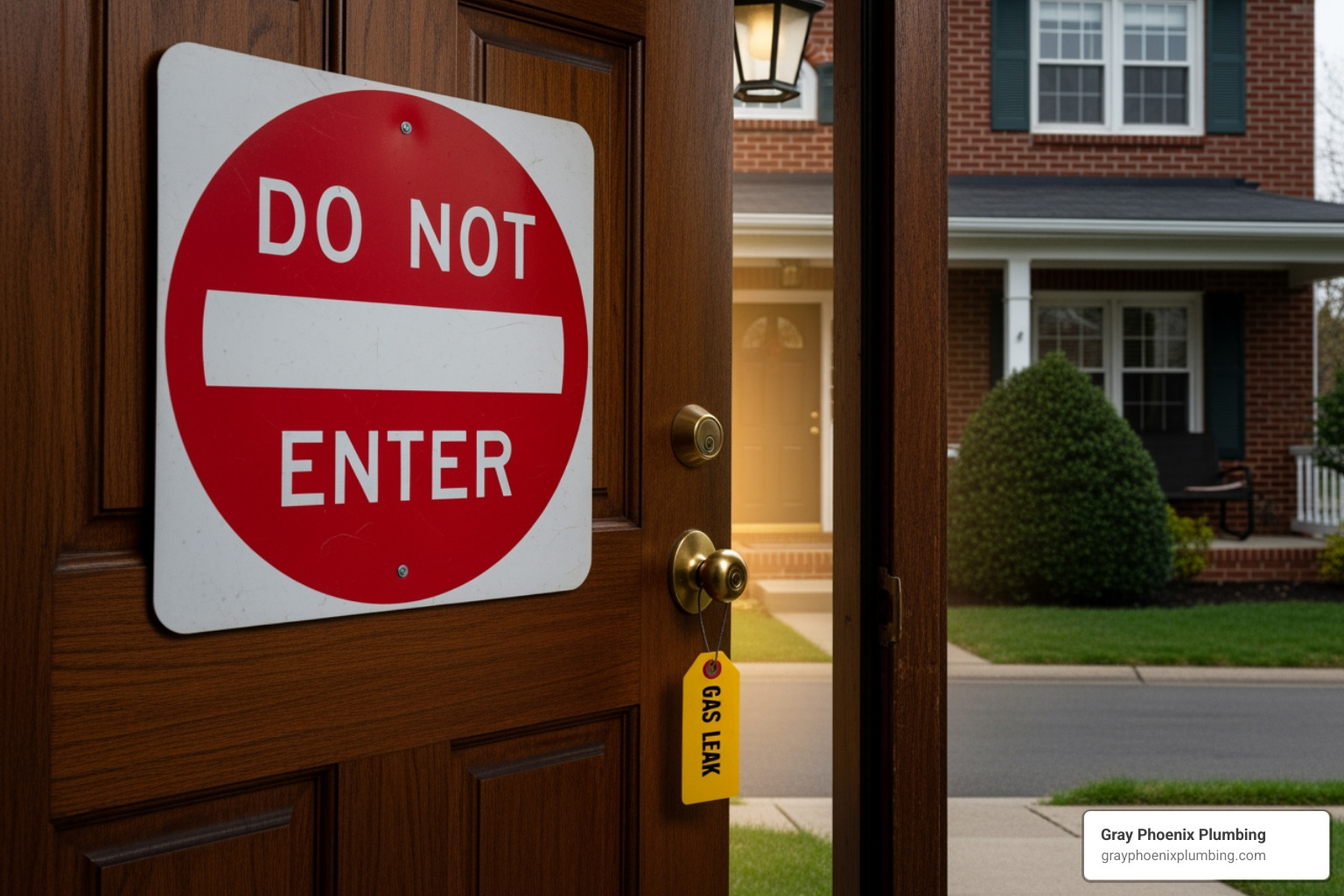
Only after these initial safety steps are taken, and the immediate danger is contained by the utility company, will we begin our work.
Step 2: Detection, Diagnosis, and Assessment
Once the scene is safe, our licensed technicians move into the detection and assessment phase. This is where our expertise and specialized equipment shine:
- Professional leak detection: We use highly sensitive gas detectors to pinpoint the exact location of the leak, whether it’s indoors or outdoors, visible or hidden behind walls or underground.
- Pressure testing: We may perform pressure tests on your gas lines to confirm their integrity and identify any weak points or additional leaks that aren’t immediately apparent.
- Camera inspections: In some cases, particularly for underground lines or those within walls, camera inspections might be used to visually assess the condition of the pipe.
- Assessing the extent of damage: Our experts will evaluate whether the damage is isolated or systemic, considering factors like corrosion, age of the pipes, and environmental impact.
- Determining repair vs. replacement needs: Based on our assessment, we’ll recommend the most effective and safest solution. A small, localized leak might allow for a straightforward repair. However, if the lines are extensively corroded, outdated, or severely damaged, a full replacement may be necessary. The decision to repair or replace a gas line depends on the extent of the damage.
Step 3: Repair, Replacement, and Service Restoration
With a clear diagnosis, we proceed with the necessary repairs or replacement, always adhering to the highest safety and compliance standards:
- Repairing ‘yellow-tagged’ lines: If your gas line has been “yellow-tagged” by the utility company, it means repairs are needed but the gas service hasn’t been completely shut off at the meter. We will perform the necessary repairs, such as fixing leaks, replacing damaged sections, or correcting improper fittings, and then ensure the system is safe.
- Handling ‘red-tagged’ shut-offs: A “red tag” signifies that your gas service has been completely shut off at the meter due to an unsafe condition. This often requires the utility company to “boot” the meter. In such cases, we will secure all required permits, perform the necessary repairs or a full line replacement, and coordinate closely with the utility provider and local inspectors to get your service restored. Our close relationships with local authorities help expedite the process of gas line repair and restoration after a ‘red-tagged’ situation by obtaining emergency permits and inspections.
- Securing emergency permits: For urgent repairs or replacements, we can often secure emergency permits to ensure work can begin promptly while still maintaining all regulatory compliance.
- Coordinating with utility providers: We work directly with Xcel Energy to ensure all repairs meet their specifications and that the re-connection process is smooth and timely.
- Final testing and restoring gas service: After repairs or replacement are complete, we conduct rigorous testing to verify functionality and safety, ensuring all connections are secure and the system operates efficiently. Only once we are certain your gas system is completely safe and compliant will we facilitate the restoration of your gas service.
Our goal is to get your gas service safely restored with minimal disruption to your Centennial home.
Common Causes and Proactive Prevention for Your Gas Lines
Understanding what can go wrong with your gas lines is just as important as knowing how to fix it. In Centennial and throughout Colorado, several factors can contribute to gas line damage. Being aware of these can help you take proactive steps to protect your home.
What Causes Damage to Gas Lines in Centennial?
Gas lines are designed to be durable, but they’re not indestructible. Over time, or due to external forces, they can be compromised:
- Corrosion and rust: This is a very common culprit, especially for older metal pipes. Exposure to moisture, soil conditions, and even certain chemicals can cause pipes to corrode and rust, weakening their integrity and leading to leaks.
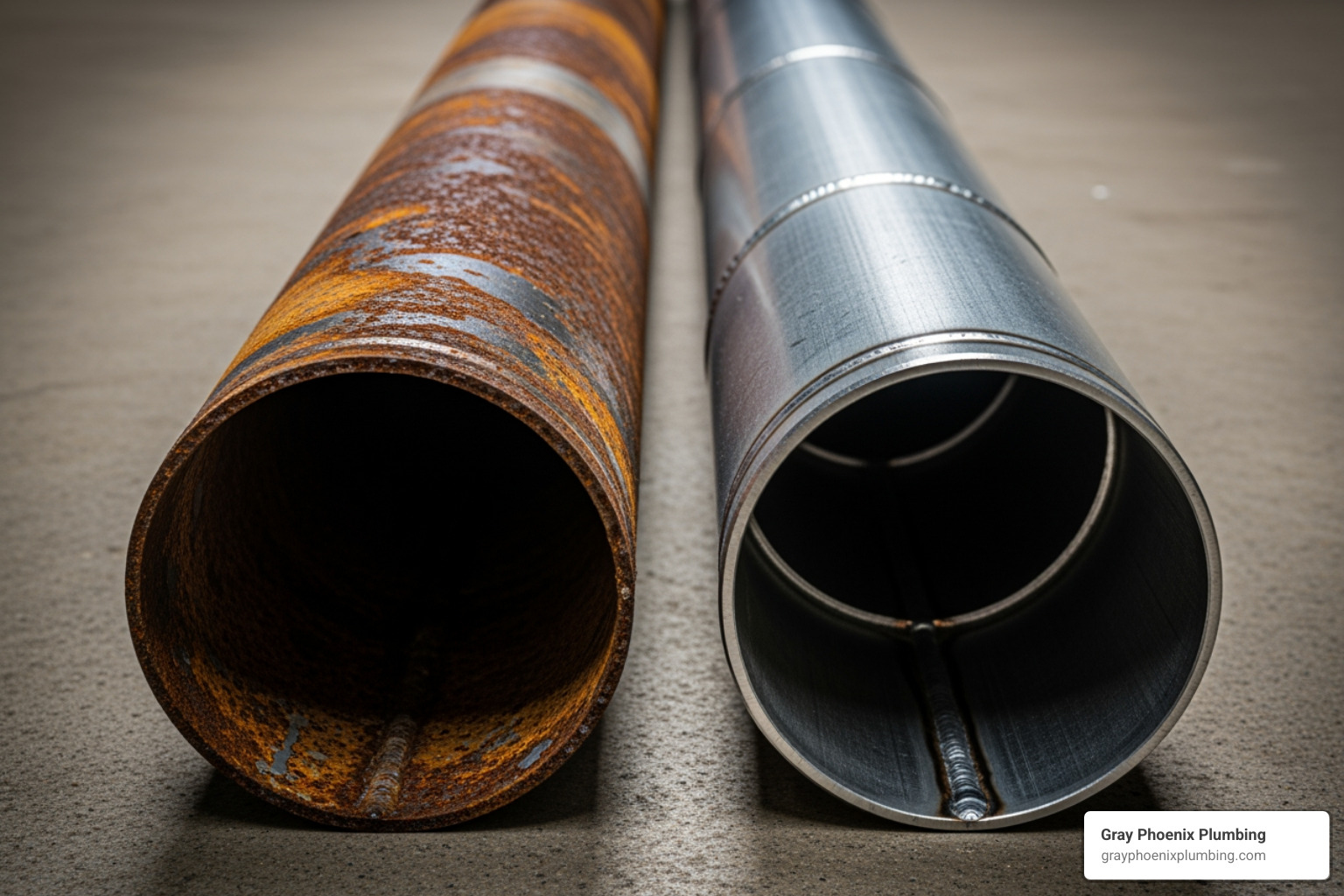
- Aging infrastructure: Just like any other part of your home, gas lines have a lifespan. Older homes in Centennial, Parker, or Castle Rock may have original gas lines that are simply reaching the end of their useful life, making them more susceptible to leaks and damage.
- Shifting Colorado soil: Our region’s expansive clay soils, freeze-thaw cycles, and seismic activity (even minor tremors) can cause the ground to shift. This movement can put stress on underground gas lines, leading to cracks, disconnections, or leaks.
- Tree root intrusion: Tree roots are relentless in their search for water and nutrients. They can grow around, compress, and even penetrate underground gas lines, causing damage and leaks. This is a common issue we see in established neighborhoods with mature trees.
- Accidental damage during landscaping or construction: Digging without knowing the location of underground utilities is a major cause of gas line ruptures. Whether it’s a homeowner doing some gardening or a contractor working on a project, striking a gas line can have immediate and dangerous consequences. Always remember to call 811 before you dig!
“Gas lines can be damaged by corrosion from time and usage, environmental factors causing rust, or faulty, misused, or improperly installed lines or appliances,” as one source reminds us.
The Benefits of Regular Gas Line Maintenance
While some damage is unavoidable, much of it can be prevented or caught early with regular maintenance. For Centennial residents, investing in routine gas line inspections offers significant benefits:
- Improved safety and peace of mind: This is the most crucial benefit. Regular inspections help identify potential issues before they become dangerous leaks, protecting your family and property from harm. It ensures your gas system is operating safely.
- Improved appliance efficiency: A well-maintained gas line system ensures your gas-powered appliances receive a consistent and adequate supply of gas, allowing them to operate at peak efficiency and potentially lowering your energy bills.
- Preventing costly emergency repairs: Catching minor issues early means they can often be repaired quickly and affordably. Ignoring them can lead to major leaks, extensive damage, and expensive emergency gas line repair Centennial services.
- Extending the life of your gas system: Proactive maintenance and timely repairs can significantly extend the lifespan of your gas lines and related components, delaying the need for costly full replacements.
Here’s a simple gas line maintenance checklist for homeowners to keep in mind:
- Visually inspect exposed gas lines for obvious signs of wear, rust, or damage.
- Ensure all gas appliance connections are secure and free of kinks.
- Listen for any unusual hissing or whistling sounds near gas lines or appliances.
- Keep areas around gas meters and lines clear of debris, plants, or anything that could cause damage.
- Schedule annual professional gas line inspections, especially for older homes.
We recommend having your gas lines inspected every 1 to 2 years, particularly in older homes. This professional oversight can help prevent leaks and ensure your gas system is operating safely and in compliance with all codes.
Frequently Asked Questions about Gas Line Services
We understand that gas line issues can be daunting, and you likely have many questions. Here are some of the most common inquiries we receive from homeowners in Centennial, Parker, Castle Rock, and surrounding areas.
How often should my gas lines be inspected?
We recommend a professional inspection of your gas lines every 1 to 2 years. For older homes, or if you’ve recently had significant construction or landscaping work done on your property, annual inspections are a wise investment. Regular inspections can help prevent leaks and ensure your gas system is operating safely. These checks are essential for ensuring maximum safety and compliance with building regulations.
What types of gas line services do professionals offer?
As a comprehensive plumbing and home services provider, we offer a full range of gas line services to meet every need:
- Gas leak detection and repair: Using advanced equipment to pinpoint and fix leaks quickly and safely.
- New gas line installation: For new construction, home additions, or when adding gas-powered appliances like stoves, dryers, water heaters, furnaces, or fireplaces.
- Outdoor gas lines: Installation for amenities such as gas grills, fire pits, and outdoor kitchens.
- Gas line replacement: When existing lines are old, corroded, or extensively damaged beyond repair.
- Gas line upgrades: Increasing capacity for new, larger appliances or multiple gas connections.
- Relocation of gas lines: When remodeling or reconfiguring your home requires moving existing lines.
Whether you need to “add a gas line for a new appliance, replace an old gas line, repair a leaking gas line, or increase the capacity of an existing gas line,” we have you covered.
Can a damaged gas line be repaired, or must it be replaced?
The decision to repair or replace a damaged gas line depends on several factors, including the age of the line, the material it’s made from, and the extent and nature of the damage.
- Repair: Minor, localized leaks or damage to a small section of an otherwise sound gas line can often be repaired by replacing the damaged section or sealing a faulty connection.
- Replacement: If the gas line shows signs of widespread corrosion, is made of an outdated or unsafe material, has multiple leaks, or has suffered significant structural damage (e.g., from tree roots or ground shifting), a full replacement is usually the safest and most cost-effective long-term solution.
Our licensed professionals will conduct a thorough assessment of your gas line’s condition and provide an honest recommendation, explaining the pros and cons of both options. We will always recommend the best course of action for our Centennial residents.
Your Trusted Partner for Safe Gas Line Solutions in Centennial
Gas line issues are not something to take lightly. They require immediate and expert attention to safeguard your home and loved ones. Recognizing the signs of a leak—whether it’s that distinct rotten egg smell, a mysterious hissing sound, or even unexplained dead patches in your yard—is the first critical step. Understanding the immense risks of attempting DIY repairs, from fire and explosion hazards to carbon monoxide poisoning, underscores why professional service is absolutely non-negotiable.
When you call us for gas line repair Centennial, you’re not just getting a quick fix; you’re getting a thorough, safety-first approach. Our process, from emergency response and precise leak detection to expert repair or replacement and meticulous service restoration, is designed to bring you peace of mind. We also emphasize the importance of proactive prevention, reminding you that factors like corrosion, shifting soil, and even tree roots can compromise your gas lines, making regular professional maintenance a wise investment.
For reliable and safe solutions for all your home service needs, from plumbing to heating, cooling, and electrical, partner with a trusted expert. We pride ourselves on being a family-owned business with licensed, background-checked pros, transparent pricing, and a Customer Care Guarantee. We’re your one-stop shop for ensuring your home runs safely and efficiently.
Don’t wait for a small problem to become a dangerous emergency. If you suspect a gas leak or need any gas line services in Centennial, Parker, Castle Rock, or any of our service areas, contact us immediately. We’re here to help, fast, reliable, and ready to respond.


