

Why Clean Drains Matter for Your Home
Cleaning of drains is one of those household tasks that’s easy to ignore—until you’re standing ankle-deep in water during your morning shower or watching a sink fill up instead of empty. When drains get clogged, they don’t just cause inconvenience. They can lead to foul odors, health hazards from bacteria and mold, and even serious structural damage if water backs up and leaks into your walls or floors.
Quick Answer: How to Clean Your Drains Effectively
- For minor clogs: Use baking soda (1/2 cup) followed by white vinegar (1 cup), let fizz for 15-30 minutes, then flush with boiling water
- For grease buildup: Pour dish soap down the drain, followed by boiling water in stages
- For hair clogs: Use a plastic drain cleaning tool or hook to manually remove debris
- For prevention: Flush drains weekly with hot water and use drain strainers
- For stubborn clogs: Call a professional plumber—never rely on harsh chemical cleaners that damage pipes
The good news? Most drain problems are preventable, and many can be fixed with simple household items you already own. The bad news? Using the wrong approach—especially harsh chemical cleaners—can actually make things worse by corroding your pipes from the inside out.
In this guide, you’ll learn how to spot the warning signs of a clog before it becomes an emergency, which DIY methods actually work (and which ones are dangerous), and when it’s time to call in the experts. Whether you’re dealing with a slow-draining kitchen sink or a completely blocked shower, we’ll walk you through the safest and most effective solutions.
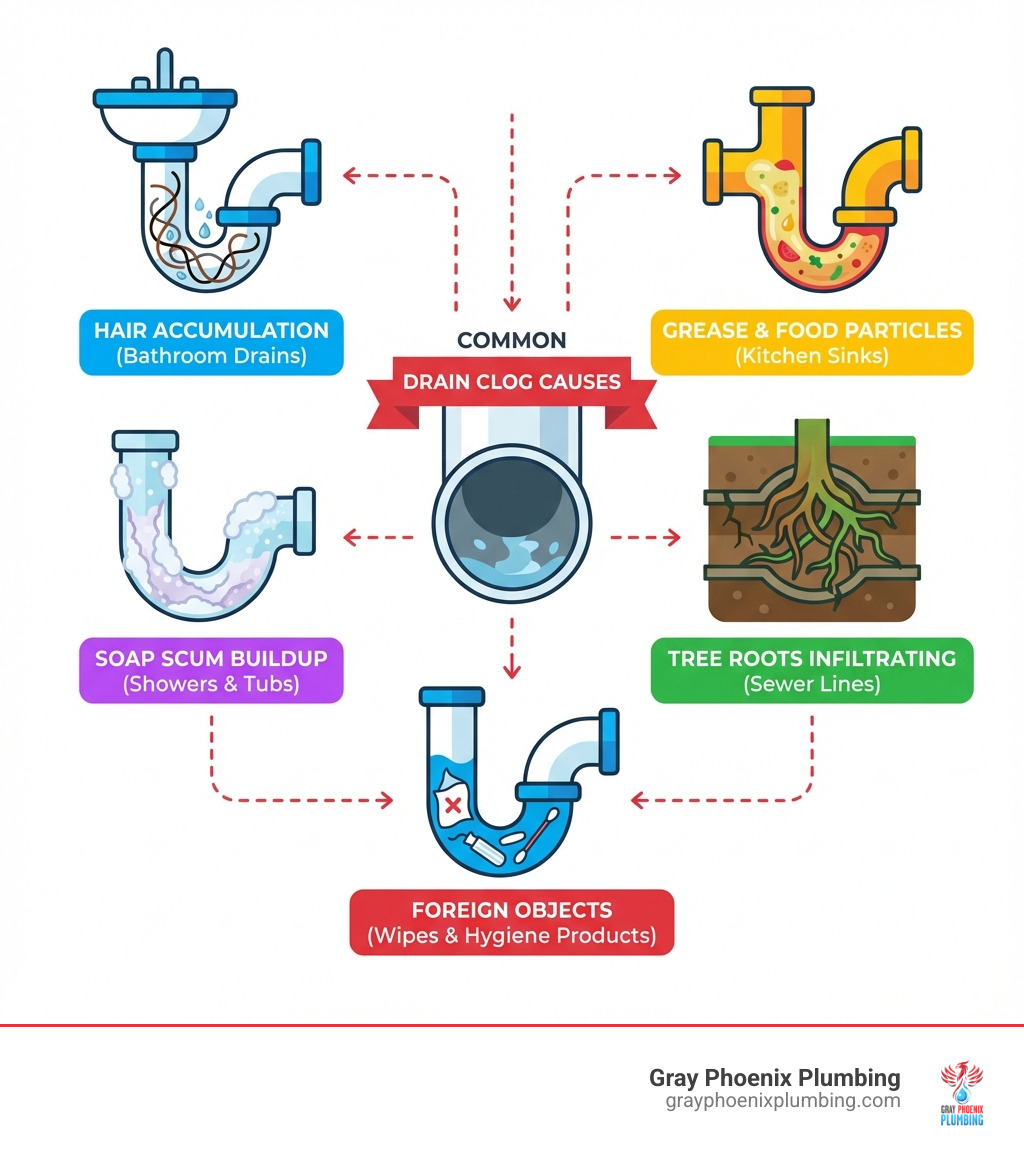
Recognizing the Red Flags: Signs and Causes of Clogged Drains
Before we dive into the nitty-gritty of cleaning of drains, let’s talk about how to recognize when your drains are crying for help. Catching a clog early can save you a lot of hassle and potential damage down the line.
Telltale Signs Your Drain Needs Attention
Have you ever noticed your sink taking a little longer to drain after doing the dishes? Or perhaps a strange smell wafting up from your bathroom pipes? These are often the first whispers of a brewing drain problem. Here are the common signs that indicate a drain is clogged:
- Slow Draining Water: This is perhaps the most obvious sign. Water that takes an eternity to disappear down the plughole is a clear indicator that something is obstructing the flow.
- Gurgling Noises: Heard a strange gurgle from your drains, especially after flushing a toilet or running water in another fixture? These noises are often caused by trapped air bubbling through a blockage as water tries to pass.
- Foul Odors: Persistent unpleasant smells coming from your drains can signal a buildup of decomposing food, grease, hair, or even a larger issue like a sewer line problem. Sometimes, a foul odor from a kitchen sink might even be food stuck in a garbage disposal rather than a true drain clog, but either way, it needs attention.
- Water Backups in Sinks or Tubs: If you turn on a faucet and water starts pooling in a nearby sink or tub instead of draining, you’ve got a serious clog.
- Multiple Fixtures Affected: When a clog develops in a main sewer or waste line, it usually affects more than one fixture. If your toilet is struggling to flush and your shower is draining slowly, it’s a big red flag that the issue isn’t just in one pipe, but in your home’s main drain line.
The Usual Suspects: Common Clog Culprits
So, what exactly is causing all this trouble? The most common scenario is something obstructing water flow. In our experience, these are the usual offenders:
- Grease, Fats, and Oils: In the kitchen, these are public enemy number one. Grease solidifies in pipes, creating thick blockages that can be incredibly stubborn.
- Food Particles: While garbage disposals help, they only grind food to a smaller size. These smaller particles can still accumulate over time, especially when mixed with grease, leading to clogs.
- Hair and Soap Scum: For bathroom drains, hair is the main culprit. It intertwines with soap scum, toothpaste, and other toiletries, forming dense mats that can bring drainage to a standstill.
- “Flushable” Wipes and Foreign Objects: Despite what some labels claim, “flushable” wipes, paper towels, and feminine hygiene products are common offenders that cause sewer backups. Kids’ toys, cotton swabs, and dental floss can also inadvertently find their way into drains and cause blockages.
- Tree Roots in Main Lines: How do tree roots cause sewer line clogs? Tree roots naturally seek moisture and can enter even tiny cracks in underground sewer lines, growing and expanding until they create a significant obstruction. This is a common issue we see in the Elizabeth, CO, Elbert County, and Parker areas.
- Collapsed or Aging Sewer Lines: Older clay or cast-iron pipes are prone to collapse or corrosion, which can severely impede water flow and lead to major clogs or sewer backups.
Your First Line of Defense: Safe & Effective DIY Methods for the Cleaning of Drains
When you first notice a slow drain, don’t panic! Many minor clogs can be tackled with items you already have around the house. These DIY methods are not only cost-effective but also safer for your plumbing and the environment than harsh chemical cleaners.
The Fizzing Fix: A Natural Method for the Cleaning of Drains
One of our favorite natural solutions for the cleaning of drains is the dynamic duo of baking soda and vinegar. This method is effective for loosening grime and buildup, especially in kitchen sinks.
Here’s how this “fizzing fix” works:
- Pour Hot Water: Start by pouring a pot of boiling water down the drain. This helps to loosen any initial grease or grime.
- Add Baking Soda: Next, pour 1/2 cup of baking soda directly down the drain.
- Follow with Vinegar: Immediately follow with 1 cup of white vinegar. You can mix the vinegar with 1 cup of water first if you prefer, but the direct pour works well too.
- Cover and Wait: Cover the drain with a plug or a cloth to contain the chemical reaction. The baking soda (a base) and vinegar (an acid) will react to produce carbon dioxide gas, which creates a bubbling, fizzing action. This helps to break up clogs and scour the pipe walls. Let it sit for 15 to 30 minutes, or even an hour for more stubborn clogs.
- Flush with Boiling Water: Finally, pour another pot of boiling water down the drain to flush away the loosened debris.
Repeat this process if necessary. This method is particularly good for tackling smelly drains and minor blockages. You can learn more about how baking soda and vinegar work to clear drains.
Using Heat: The Boiling Water & Dish Soap Method
For grease clogs, especially in kitchen sinks, the combination of hot water and dish soap can be surprisingly effective.
- Squirt Dish Soap: Squirt at least a tablespoon of liquid dish detergent directly into the drain.
- Add Boiling Water (Carefully!): Slowly pour boiling water down the drain, a little at a time. The dish soap helps to cut through the grease, and the hot water melts it, allowing it to flow more freely.
- Wait and Flush: Let it sit for a few minutes, then flush with hot tap water.
A Word of Caution about Boiling Water: While effective, boiling water isn’t always your friend. Actively boiling water can damage PVC pipes if a drain is already backed up, potentially warping or cracking them. It can also crack porcelain sinks. Always be mindful of your plumbing materials. If you’re unsure, use very hot tap water instead of freshly boiled water.
The Best Methods for Clearing Hair Clogs
Hair clogs are the bane of bathroom drains. They’re often too dense for baking soda and vinegar alone. Here’s how we recommend tackling them:
- Manual Removal: Sometimes, the clog is right at the surface. Use a pair of tweezers or gloved hands to pull out any visible hair and debris from the drain opening.
-
Using a Plastic Drain Clearing Tool: This is where things can get a little gross, but trust us, it’s incredibly effective! A plastic drain clearing tool (often called a “Zip-it” or similar) is a long, flexible plastic strip with small barbs or threads along its sides.
- Insert the Tool: Simply thread the plastic drain clearing tool down your bathroom drain as far as it can go. No need to remove the stopper initially. If it doesn’t easily slide down one side of your stopper, try again in another spot.
- Extract the Clog: Gently pull the tool back up. The barbs will grab onto all the hair and gunk that’s accumulated. Be prepared for what comes out – it’s often a startling amount!
- Repeat as Needed: You might need to repeat this a few times to clear all the buildup. Once the drain is clear, run hot water to flush out any remaining residue.
This simple, inexpensive tool can make a huge difference in clearing stubborn hair clogs without chemicals.
The Green Choice: Understanding Enzyme-Based Cleaners
If you’re looking for a commercial product that’s gentle on your pipes and the environment, enzyme-based drain cleaners are the way to go.
- How Enzymes Work: Unlike harsh chemicals that rely on corrosive reactions, enzyme-based drain cleaners use natural bacteria and enzymes to break down organic matter. These biological agents literally “eat away” at things like food particles, hair, mold, and mildew.
- Benefits: They are biodegradable and won’t harm your plumbing or the environment. This makes them a fantastic choice for regular maintenance, especially if you have a septic system, as they can help your sewer system’s biome by replenishing and fortifying bacterial colonies.
- A Slower but Safer Alternative: Enzyme cleaners work more slowly than chemical ones, often requiring several hours or even overnight to be effective. However, their gentle action means they won’t damage your pipes, and they’re safe for your family and pets. For those in Elizabeth, CO, Elbert County, and surrounding areas looking for eco-friendly options, this is a great choice. You can read more about why enzyme-based cleaners are a green choice.
The Hidden Dangers of Quick Fixes: Why to Avoid Chemical Drain Cleaners
It’s tempting to reach for a bottle of chemical drain cleaner when faced with a stubborn clog. The promise of an instant fix is alluring. However, we strongly advise against them. These “quick fixes” can cause more harm than good to your plumbing, your health, and our precious environment.
Damage to Your Plumbing System
Many commercial drain cleaning products contain a cocktail of corrosive and toxic chemicals like sulfuric acid, hydrochloric acid, or sodium hydroxide (lye). These substances are not selective; they attack everything in their path.
- Corroding Metal Pipes: The harsh chemicals found in commercial drain cleaners corrode metal piping over time, especially older ones, and degrade joint seals, caulking material, and plastic piping. This can weaken your pipes and lead to leaks. Learn more about how chemicals corrode metal piping.
- Melting PVC Pipes: The heat generated by these chemical reactions can be intense enough to warp, weaken, or even melt PVC pipes, leading to costly repairs.
- Harming Septic System Bacteria: Chemical drain cleaners can pose heightened risks for septic systems. Septic tanks rely on natural bacterial enzymes to break down organic matter. Introducing harsh chemicals can kill these beneficial bacteria, disrupting the system and causing more severe issues down the line.
- Worsening Leaks: Persistent use of these drain cleaners can lead to pipe collapse, requiring professional repair. They can turn a minor clog into a major plumbing emergency.
Health and Environmental Hazards
The dangers of chemical drain cleaners extend far beyond your pipes.
- Toxic Fumes: Chemicals like sodium hydroxide are highly corrosive and can burn eyes, skin, and lungs. The fumes can trigger asthma or other respiratory issues, especially in poorly ventilated areas.
- Skin and Eye Burns: Direct contact with these corrosive chemicals can cause severe burns.
- Long-term Exposure Risks: Long-term exposure to these chemicals may lead to ulceration of the nasal passages and chronic skin irritation. Furthermore, our beloved pets are vulnerable too! Beware of sodium hydroxide in disinfectants and other household cleaners, as ingestion can cause serious harm. You can read more about long-term exposure risks.
- Polluting Waterways and Harming Aquatic Life: When these chemicals go down the drain, they can end up in wastewater systems and make their way into rivers, lakes, and the ocean. This pollutes waterways and harms aquatic ecosystems. The bioaccumulation of toxins from drain cleaners can disrupt entire ecosystems, killing beneficial microorganisms in soil and water and slowing natural breakdown processes.
Advanced Problems & Professional Solutions
Sometimes, despite our best efforts, a clog is simply too big, too deep, or too stubborn for DIY methods. That’s when it’s time to call in the professionals. We have the specialized tools and expertise to handle advanced drain problems safely and effectively.
When to Call a Pro: Signs You Need Expert Help
Knowing when to hang up your plunger and pick up the phone is crucial to prevent further damage and costly repairs. Here are the clear signs that you need expert help for the cleaning of drains:
- DIY Methods Fail: If you’ve tried several DIY solutions (baking soda and vinegar, plunging, drain snake) and the clog persists, it’s time to call us.
- Recurring Clogs: A drain that clogs repeatedly, even after you’ve cleared it, indicates an underlying issue that DIY methods aren’t addressing.
- Multiple Drains Are Clogged: As we mentioned, if more than one fixture (e.g., a toilet and a shower) is draining slowly or backed up, it strongly suggests a main sewer line issue.
- Foul Sewer Gas Odor: A persistent, foul, sewer-like smell emanating from multiple drains is a serious indicator of a problem in your main sewer line.
- Sewage Backup: This is a plumbing emergency. A sewer backup occurs when wastewater can’t flow properly through your home’s drainage system and reverses back into sinks, tubs, floor drains, or toilets. If this happens, immediately stop water use, keep family and pets away from the area, and if water levels are high near electrical sources, turn off the electricity from your breaker panel. Then, call a professional plumber immediately.
For any of these emergency situations, especially sewer backups, our team at Gray Phoenix Plumbing is ready to help. We offer fast, reliable, and safe solutions. Learn more about our Emergency and Sewer services.
Identifying and Addressing a Clogged Main Sewer Line
A clogged main household drain can be a homeowner’s worst nightmare. These clogs are often far more complex than a simple hairball in the shower.
- Symptoms of a Main Line Clog: The most common symptom is when multiple plumbing fixtures in your home back up or drain slowly simultaneously. You might also notice foul odors from all drains.
- Causes Like Tree Roots or Collapsed Pipes: Main line clogs can be caused by a variety of issues, including significant grease buildup from years of improper disposal, “flushable” wipes, or foreign objects. However, in our service areas like Elizabeth, CO, Elbert County, and Franktown, tree root intrusion is a very common culprit. These roots can naturally seek moisture and enter even tiny cracks in underground sewer lines, growing until they create a significant obstruction. Older clay or cast-iron pipes are also prone to collapse or corrosion, leading to severe blockages.
- Locating the Clean-Out Plug: For main line issues, professionals will often access the clean-out plug, which is an access point to your main sewer line, usually found outside your home.
- The Need for a Sewer Scope Inspection: To accurately diagnose the cause and location of a main line clog, we often recommend a Sewer Scope Inspection. This involves inserting a specialized camera into your sewer line to get a clear view of the problem, whether it’s roots, a break, or severe buildup.
Professional Techniques for the Cleaning of Drains
When you call Gray Phoenix Plumbing for a serious drain issue, you’re getting access to advanced tools and expertise far beyond what’s available to the average homeowner.
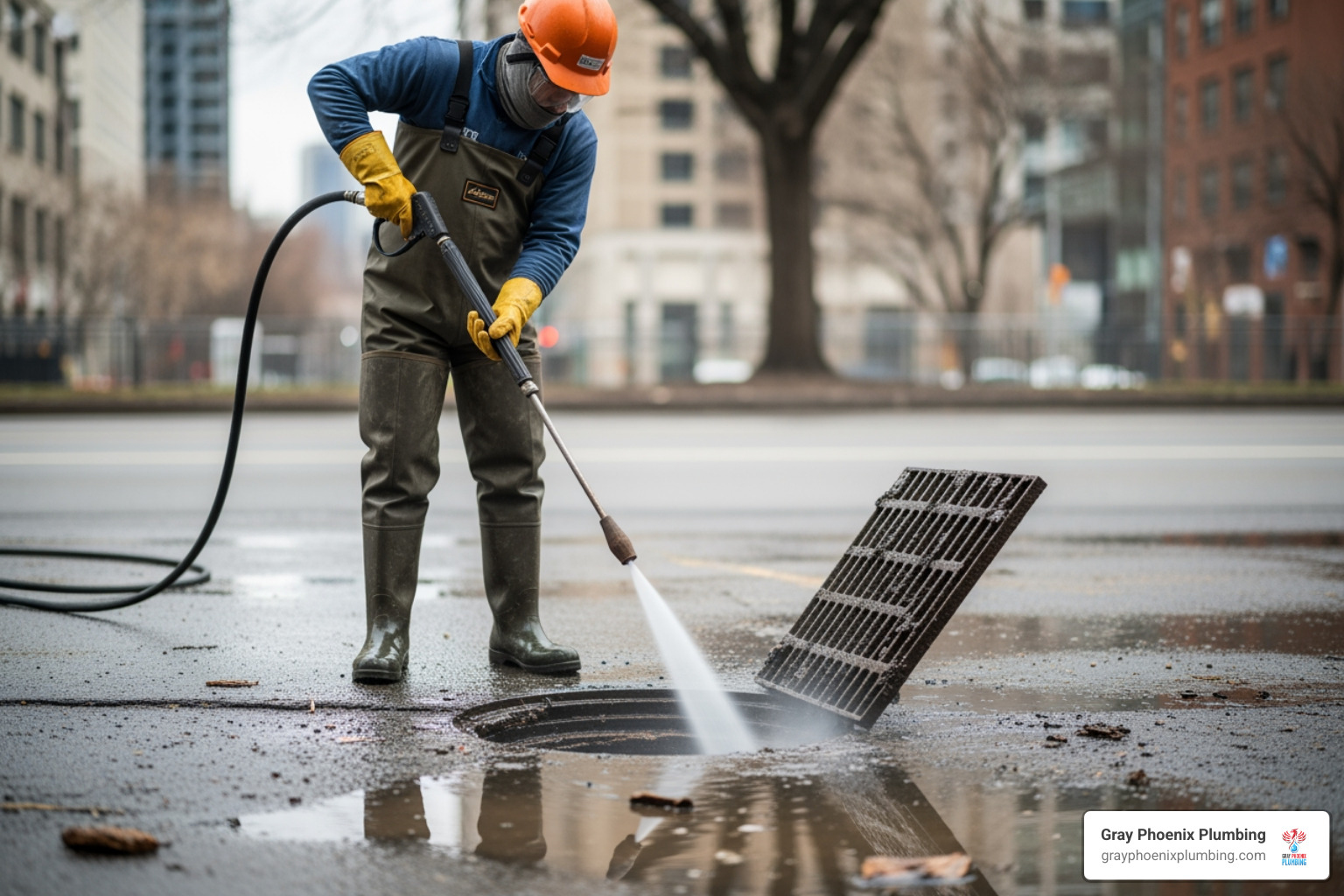
- Hydro Jetting: This is a highly effective method for clearing stubborn clogs and thoroughly cleaning pipes. Hydro jetting uses high-pressure water streams (up to 4,000 PSI!) to blast away grease, scale, mineral buildup, and even tree roots. It’s like power washing the inside of your pipes, leaving them squeaky clean.
- Professional Drain Snaking (Augering): While you can buy small drain snakes, professional augers are much more powerful and can reach deeper into your plumbing system. Our plumbers can guide the auger cable through your pipes, breaking up and removing tough blockages that DIY tools simply can’t handle.
- Video Camera Inspections: As mentioned, video camera inspections are invaluable for accurately diagnosing problems. They allow us to see the exact nature of the clog, whether there’s pipe damage, or if roots are present, eliminating guesswork.
- Sewer Line Repair and Replacement: For issues like collapsed pipes or severe root damage, we offer comprehensive Sewer Line Repair Contractors services, including trenchless options that minimize disruption to your property.
Proactive Plumbing: How to Prevent Future Clogs
The best way to deal with a clogged drain is to prevent it from happening in the first place! A little proactive care goes a long way in keeping your pipes flowing smoothly.
In the Kitchen
The kitchen sink is a prime location for clogs due to the type of waste that goes down it.
- Proper Grease Disposal: This is paramount. Never pour grease, fats, or cooking oils down the drain. Grease solidifies in pipes, creating thick blockages. Instead, pour cooled grease into an old container (like a coffee can or milk carton) and dispose of it in the trash.
- Scraping Food Scraps into Trash: Before washing dishes, scrape all food scraps, including coffee grounds, into the trash or compost. While garbage disposals are helpful, they don’t eliminate all food particles, and these can still accumulate over time.
- Using a Drain Catcher: A simple mesh drain strainer can catch larger food particles before they enter your pipes. Clean it regularly!
- Running Cold Water with Garbage Disposal: When using your garbage disposal, always run plenty of cold water. This helps to flush food particles down the pipe and keeps any grease solid so it can be ground up and moved along more effectively.
In the Bathroom
Bathroom drains typically face a different set of challenges, mainly hair and soap scum.
- Using a Hair Strainer: Install a drain cover or hair catcher in your shower and bathtub. These inexpensive devices are incredibly effective at preventing hair from entering your pipes.
- Brushing Hair Before Showering: A simple trick that can significantly reduce hair clogs is to brush your hair thoroughly before stepping into the shower. This removes loose hairs that would otherwise go down the drain.
- Avoiding Flushing Non-Flushable Items: Never flush anything other than human waste and toilet paper down the toilet. “Flushable” wipes, paper towels, feminine hygiene products, and cotton balls are common offenders that cause sewer backups. They don’t break down like toilet paper and can quickly create stubborn blockages.
- Regular Hot Water Flushes: Periodically flushing your drains with hot water (once a week or every other week) can help dislodge minor debris, soap scum, and grease before they build up into a significant clog.
Conclusion
The cleaning of drains is an essential aspect of home maintenance that impacts your daily life, health, and property value. We’ve explored the common causes and telltale signs of clogs, empowering you to recognize issues early. We’ve also provided you with safe and effective DIY methods, like the trusty baking soda and vinegar combo or the surprisingly effective plastic drain tool for hair clogs.
Crucially, we’ve highlighted the hidden dangers of chemical drain cleaners, emphasizing their potential to damage your pipes, harm your health, and pollute our environment. These quick fixes often lead to bigger, more expensive problems down the road.
Prevention is always the best strategy. By adopting simple habits in your kitchen and bathroom—like proper grease disposal, using drain strainers, and avoiding non-flushable items—you can significantly reduce your risk of clogs.
While many minor issues can be handled with a DIY approach, know when to call in the cavalry. Persistent clogs, multiple affected fixtures, foul sewer odors, or a full-blown sewage backup are all clear signals that it’s time for professional intervention. For persistent clogs or sewer line issues in the Elizabeth, CO, Elbert County, Parker, Castle Rock, Kiowa, Franktown, Denver, Littleton, Aurora, Lakewood, Thornton, Westminster, Brighton, Golden, Morrison, Conifer, Evergreen, Firestone, Erie, Bennett, Centennial, Agate, Jefferson, or Colorado Springs areas, the licensed professionals at Gray Phoenix Plumbing offer safe and effective solutions. For expert diagnosis and repair of any drain issue, contact our Sewer Experts Near Me.


