

Why Every Homeowner Needs to Know About Blocked Drain Cleaners
A blocked drain cleaner is a solution—chemical, natural, or mechanical—designed to remove clogs from your home’s plumbing. Here’s what you need to know when choosing one:
Quick Selection Guide:
- For minor soap/grease clogs: Baking soda + vinegar or hot water flush
- For hair clogs: Drain snake or enzymatic cleaner
- For stubborn blockages: Caustic chemical cleaners (use with caution)
- For recurring issues: Call a professional plumber
Stepping into a shower only to find water pooling around your ankles is one of the most frustrating experiences for any homeowner. About 20 percent of homeowners regularly deal with clogged toilets, while 15 percent struggle with backed-up drains. Whether it’s hair tangled in your bathroom sink, grease solidifying in your kitchen pipes, or soap scum building up over time, blocked drains are a common household headache.
The good news? We have options. From simple DIY methods using household ingredients to commercial chemical cleaners and mechanical tools, there’s a solution for nearly every type of clog. But here’s the catch: not all drain cleaners work the same way, and choosing the wrong one can damage your pipes, harm your septic system, or simply waste your time and money.
The hidden risk: Chemical drain cleaners can generate enough heat to warp PVC pipes and may not even work on the toughest clogs. Meanwhile, mixing different types of cleaners can create toxic fumes that pose serious health risks.
This guide will walk you through the different types of blocked drain cleaners available—from natural remedies to industrial-strength solutions—so you can make an informed choice based on your specific clog type, pipe material, and budget.
I’m Chris Hoffman, a Master Plumber with over 25 years of experience tackling everything from simple bathroom sink clogs to complex sewer line blockages. Throughout my career at Gray Phoenix Plumbing, I’ve seen how choosing the right blocked drain cleaner can save homeowners hundreds of dollars in unnecessary repairs—and how the wrong choice can turn a minor nuisance into a plumbing emergency.
What’s Causing the Blockage? Common Culprits of Clogged Drains
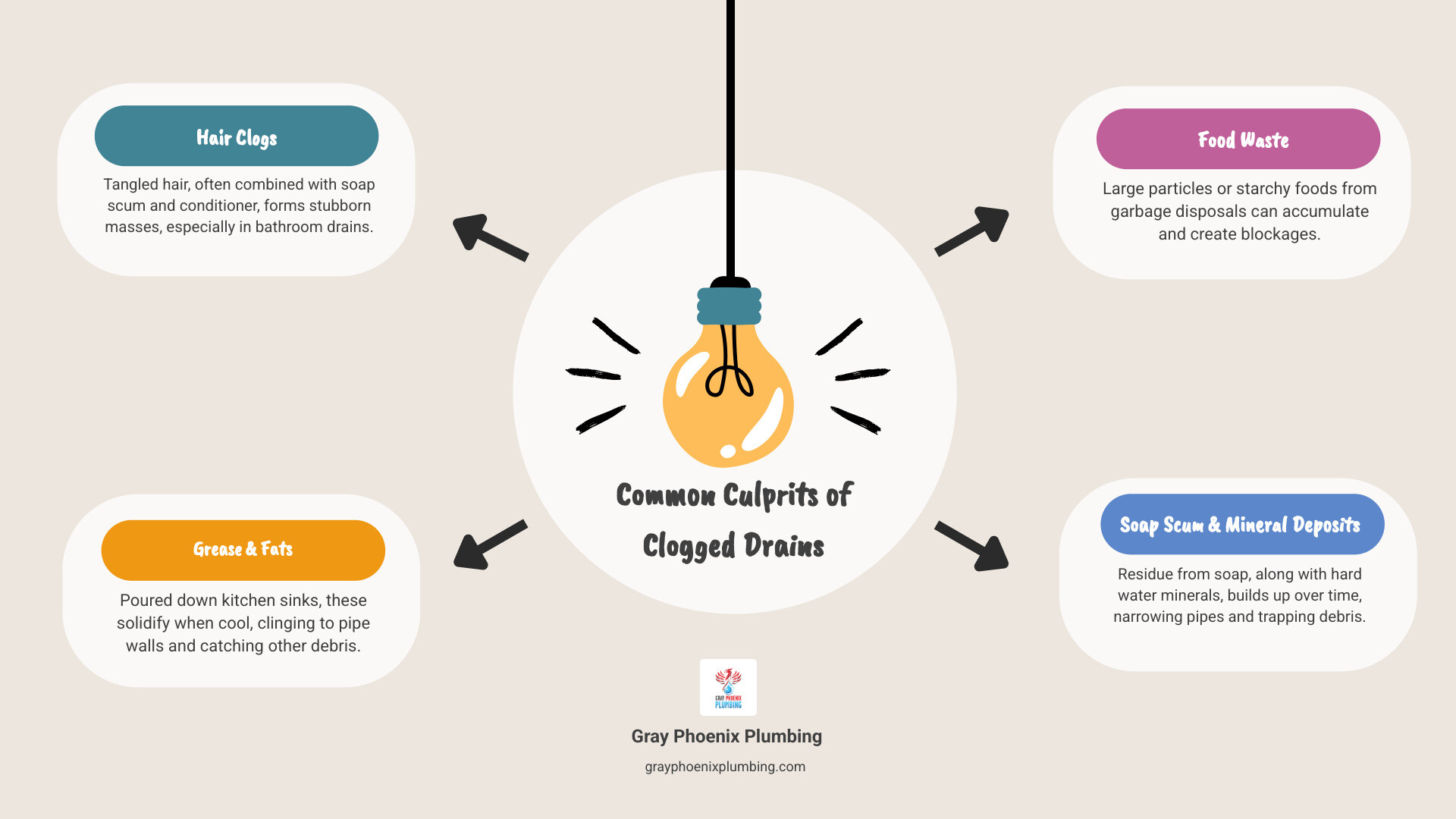
Before we dive into the solutions, let’s play detective and figure out what’s causing that pesky blockage. Understanding the culprit is often half the battle in choosing the right blocked drain cleaner. Most clogs in our homes around Elizabeth, Parker, Castle Rock, and the greater Denver area fall into a few common categories:
- Hair Clogs: Ah, the classic villain of bathroom drains! Hair, especially long strands, loves to combine with soap scum and conditioner, forming tangled, sticky masses that are incredibly effective at blocking water flow. This is the most common cause of shower drain clogs.
- Soap Scum Buildup: That lovely lather we enjoy often leaves behind a residue. Over time, this soap scum hardens and clings to pipe walls, narrowing the drain and acting as a magnet for hair and other debris.
- Grease and Fats: In the kitchen, cooking oils, butter, and other fats might seem harmless when they’re liquid. But once they cool in your pipes, they solidify, creating sticky blockages that grab onto food particles.
- Food Waste from Kitchen Sinks: Even with a garbage disposal, small food particles like coffee grounds, rice, pasta, and vegetable peels can accumulate and contribute to clogs, especially when mixed with grease.
- Foreign Objects: From children’s toys accidentally flushed down the toilet to jewelry slipped down a sink, foreign objects can create immediate and often severe blockages.
- Mineral Deposits from Hard Water: Many areas in Colorado, including ours, have hard water. Over time, minerals like calcium and magnesium can build up inside pipes, creating a hard scale that restricts water flow and makes it easier for other debris to get stuck. This is similar to how a kettle gets limescale.
Sometimes, a persistent clog can also lead to a really unpleasant smell. If you’re dealing with a foul odor that just won’t quit, you might need more info about stinky drains. Identifying the primary cause helps us decide which blocked drain cleaner will be most effective and safest for your plumbing system.
The Arsenal: Types of Blocked Drain Cleaner Solutions
When faced with a stubborn drain, we have a few types of weapons in our arsenal. These generally fall into three main categories: chemical, natural, and mechanical. Each has its strengths and weaknesses, and choosing the right one depends heavily on the type and severity of your clog.
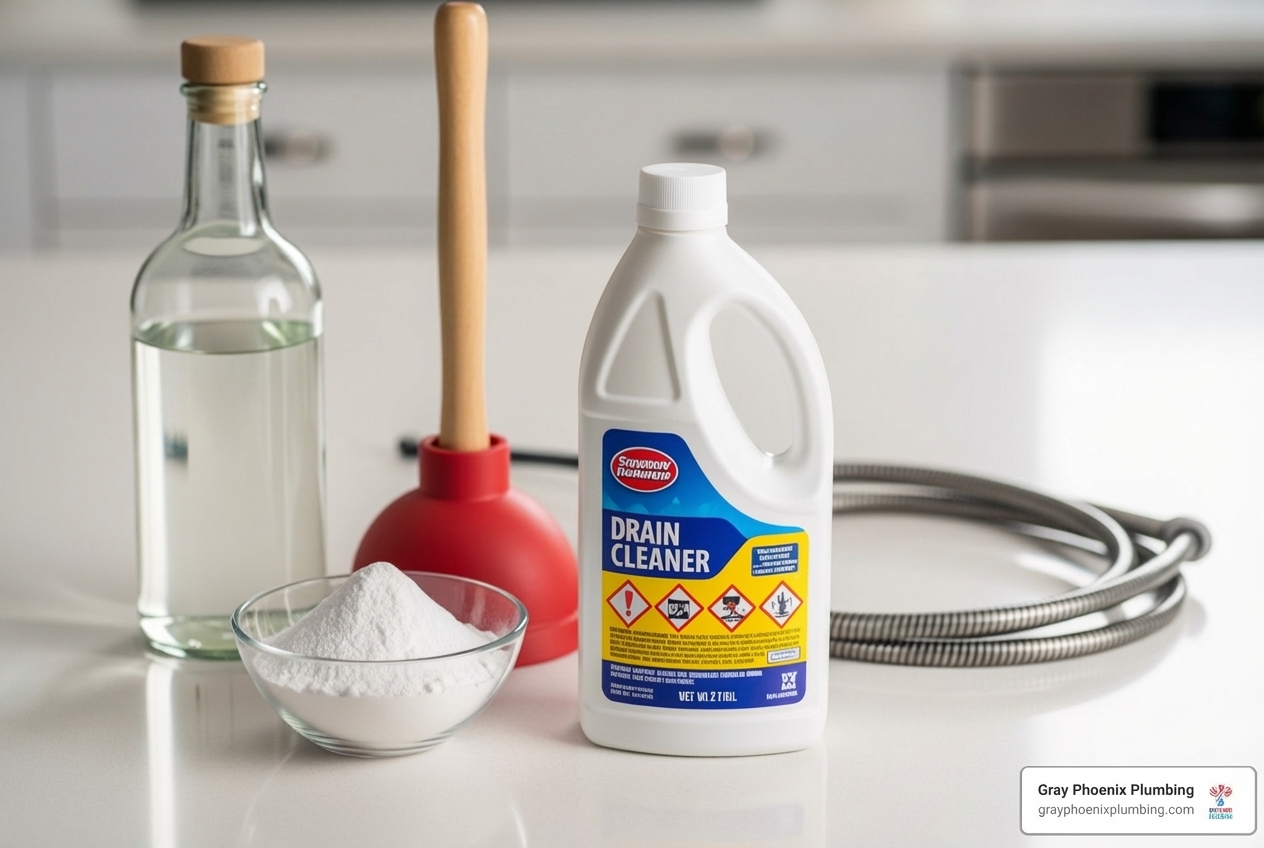
We’ll explore DIY versus commercial products, and mechanical versus chemical approaches. The golden rule here is to always match the cleaner to the clog – using the wrong type can be ineffective at best, and damaging at worst.
Choosing the Right Chemical Blocked Drain Cleaner
Chemical drain cleaners might seem like a quick fix, but it’s crucial to understand how they work and their potential risks. These powerful solutions typically rely on intense chemical reactions to dissolve clogs, often generating heat in the process. This heat can be a double-edged sword: great for breaking down debris, but potentially harmful to your pipes.
There are three main categories of chemical drain cleaners:
- Caustic Cleaners: These are alkaline substances, often containing lye (sodium hydroxide) or caustic potash. They work by generating heat and turning grease into a soap-like substance and dissolving hair. They are heavier than water, so they sink through standing water to reach the clog.
- Oxidizing Cleaners: These typically contain bleach, peroxides, or nitrates. They work by causing the organic material of the clog to oxidize, essentially losing electrons, which breaks it down. They also generate heat and gas.
- Acidic Cleaners: These are the most aggressive, containing strong acids like sulfuric or hydrochloric acid. They work by dissolving organic matter, but they can also be highly corrosive to pipes and pose significant health risks if not handled with extreme care. These are generally not available to the average consumer and are often used by professionals for very tough clogs.
Risks to Pipes and Septic Systems:
Chemical drain cleaners can be quite harsh. They don’t discriminate between the clog and your plumbing. The heat generated can warp, weaken, or even crack PVC pipes, especially older ones. Metal pipes, while more resilient, can also be corroded over time. For homes in Elizabeth, Franktown, or other areas with septic systems, chemical cleaners are particularly problematic. They can disrupt the delicate bacterial balance in your septic tank, hindering its ability to break down waste and potentially leading to more expensive issues.
According to our research, chemical drain cleaners can cause damage to pipes and septic systems, and they don’t always work on the toughest clogs. Always check if a product is septic-safe before use. If you’re concerned about your sewer lines, especially after using harsh chemicals, it might be time for more info about sewer line repair.
| Cleaner Type | Clog Type Best For | Pipe Safety | Risks & Considerations |
|---|---|---|---|
| Caustic | Grease, hair, soap scum | Moderate (can damage PVC, older pipes) | Generates heat, corrosive, dangerous fumes |
| Oxidizing | Organic matter, hair, soap scum | Moderate (can damage PVC, older pipes) | Generates heat and gas, corrosive, dangerous fumes |
| Acidic | Very tough organic clogs | Low (highly corrosive to many pipe types) | Extremely corrosive, highly toxic fumes, professional use only |
Is a Natural Blocked Drain Cleaner Effective?
For those of us who prefer a gentler approach to our plumbing and the environment, natural blocked drain cleaner methods offer a compelling alternative. The most popular and widely recommended natural solution is the baking soda and vinegar method.
How the Fizzing Action Works:
Here’s the science: baking soda (sodium bicarbonate) is a base, and vinegar (acetic acid) is an acid. When these two meet, they create a chemical reaction that produces carbon dioxide gas and water. This bubbling, fizzing action isn’t just for show; it helps to loosen and dislodge minor clogs by physically agitating the debris. Think of it as a mini, eco-friendly eruption in your pipes!
The Method:
- Pour a pot of hot (but not boiling) water down the drain to loosen any initial grease or grime.
- Follow with about half a cup to one cup of baking soda.
- Then, pour a mixture of one cup of vinegar and one cup of hot water.
- Cover the drain with a stopper or rag to contain the fizzing action and direct it downwards.
- Let it sit for 15-30 minutes, or even longer for more stubborn clogs.
- Finally, flush with another pot of hot water.
Benefits:
- Eco-friendly: These are common household ingredients, biodegradable, and don’t introduce harsh chemicals into our waterways in Elizabeth or Parker.
- Pipe-safe: Unlike corrosive chemical cleaners, baking soda and vinegar are generally safe for all types of pipes, including PVC and older metal plumbing. You won’t have to worry about warping or corrosion.
- Odor control: The reaction can also help neutralize unpleasant drain odors.
Drawbacks:
While wonderful for maintenance and minor clogs, baking soda and vinegar are often less effective on tough, fully blocked drains, especially those packed with hair or solid foreign objects. They work best on soap scum, light grease, and general grime that has built up over time. For a deeper dive into this popular method, check out a guide on using baking soda and vinegar.
When to Use Mechanical Tools
Sometimes, a clog isn’t just a sticky mess; it’s a physical barrier that needs to be pushed, pulled, or broken apart. This is where mechanical tools shine as a highly effective blocked drain cleaner solution, often preferred over chemicals for their immediate and pipe-safe results.
Plungers for Sinks and Toilets:
The humble plunger is our first line of defense and often the most effective for clogs located in the trap area of sinks, tubs, showers, or toilets.
- How it works: A plunger creates a vacuum and pressure changes that can dislodge a clog.
- Using a plunger: Ensure you have enough water in the fixture to cover the rubber cup. Create a tight seal around the drain opening and plunge vigorously several times. For toilets, ensure you’re using a flange plunger (the one with the extra rubber flap) for the best seal. We even have specific advice if you need help with a clogged toilet.
Drain Snakes and Augers:
When a plunger isn’t enough, or if the clog is deeper in the pipe, a drain snake (also known as a drain auger) is your next best friend. These flexible metal cables with a coiled end are designed to reach into pipes, either breaking up the clog or snagging it so you can pull it out.
- How to use a snake safely: Always wear rubber gloves and safety goggles. Slowly feed the snake into the drain, turning the handle to extend the cable. When you feel resistance, you’ve likely hit the clog. Continue turning and gently pushing to break it up, or if you feel it snag, pull it back slowly to retrieve the debris.
- Reaching deeper clogs: Snakes come in various lengths, allowing you to tackle blockages far beyond the P-trap. For hair and solid objects, a drain snake is often the most effective DIY method.
- Cost-effectiveness: While professional snaking costs $145 to $300, a good quality drain auger can be purchased for a fraction of that, making it a wise investment for any homeowner. You can learn more about the process and techniques with this guide on how to snake a drain.
Mechanical tools are excellent for hair clogs, solid objects, and blockages that chemicals might not touch. They offer a direct approach to clearing the obstruction without introducing harsh substances into your plumbing or septic system.
A Guide to Safe Drain Cleaning
Whether you’re using a chemical blocked drain cleaner or a mechanical tool, safety should always be our top priority. We want to clear that clog, not create a hazardous situation or damage our plumbing.
Here are essential safety precautions we always recommend:
- Read Manufacturer Labels Carefully: This is non-negotiable. Every chemical cleaner has specific instructions and warnings. Pay close attention to recommended usage, waiting times, and disposal.
- Ensure Proper Ventilation: Chemical cleaners, especially the stronger ones, can release fumes. Always work in a well-ventilated area. Open windows and turn on exhaust fans to prevent inhalation.
- Never Mix Chemicals: This is a critical warning. Mixing different types of drain cleaners, or even a drain cleaner with other household cleaners like ammonia or bleach, can create highly toxic gases. This can lead to severe respiratory problems or worse. Our research explicitly states that mixing chemicals like drain cleaners can create toxic fumes.
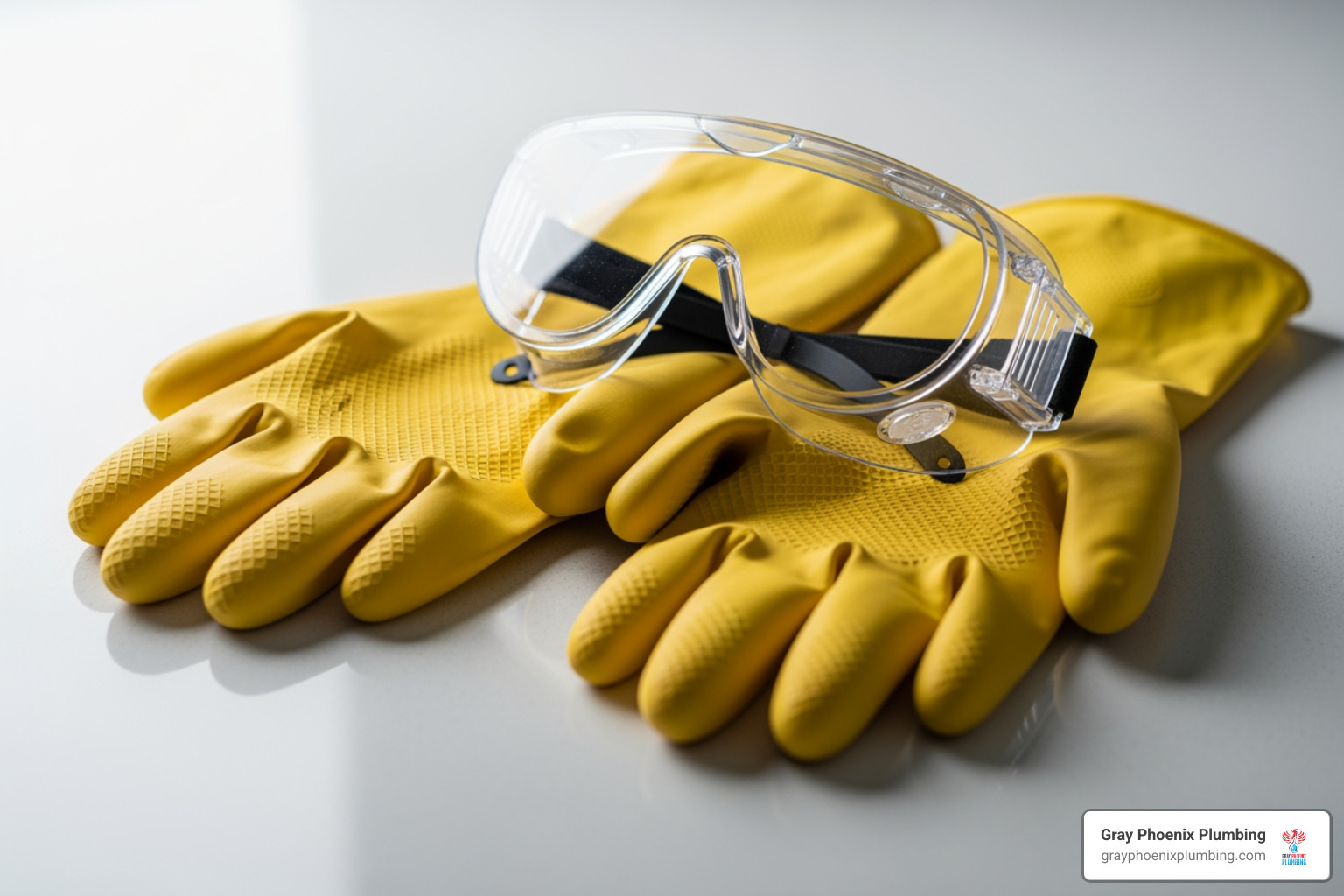
- Protect Skin and Eyes: Chemical drain cleaners are corrosive. Wear heavy-duty rubber gloves and safety goggles to protect yourself from splashes or fumes. If contact occurs, rinse immediately and thoroughly, and seek medical attention if irritation persists.
- Flush Pipes Thoroughly After Use: Once the clog is cleared and the recommended waiting time has passed, flush the drain with plenty of water as directed by the product instructions. This helps remove any residual chemicals from your pipes.
- Keep Children and Pets Away: Store all drain cleaning products securely and out of reach of children and pets. During use, ensure they are not in the vicinity.
- Avoid Using After Other Cleaners: If you’ve tried one chemical cleaner and it didn’t work, do not immediately pour another type down the drain. The risk of dangerous chemical reactions is too high. It’s better to wait, flush thoroughly, or call a professional.
- Do Not Use Plunger After Chemicals: If you’ve poured a chemical cleaner down the drain, do not use a plunger. This can cause the chemicals to splash back, posing a serious burn risk.
By following these safety guidelines, we can ensure that our drain cleaning efforts are effective and, most importantly, safe for everyone in our homes across Colorado.
Prevention: How to Keep Your Drains Flowing Freely
As the old saying goes, an ounce of prevention is worth a pound of cure. This holds especially true for our home’s plumbing! Regular maintenance is key to preventing those frustrating clogs and avoiding the need for a blocked drain cleaner in the first place.
Here’s how we can keep our drains flowing freely and minimize future headaches:
- Regular Maintenance is Key: Make drain maintenance a part of your routine. Pouring hot water down kitchen and bathroom sink drains once a week can melt and flush away light grease deposits and prevent soap scum and gunk accumulation. For a natural approach, a monthly flush with baking soda and vinegar (as described earlier) can also help keep things clear and fresh. Enzymatic cleaners, which use natural bacteria and enzymes to break down organic material, are also excellent for regular maintenance and are safe for septic systems.
- Drain Guards and Hair Catchers: These simple, inexpensive devices are heroes in the bathroom. Place them over your shower and sink drains to catch hair and soap scum before they have a chance to enter your pipes. Clean them frequently – you’ll be amazed (and a little grossed out) by how much they collect!
- Scrape Food Scraps into Trash: Before washing dishes, scrape all food particles, no matter how small, into the trash can. Even if you have a garbage disposal, it’s not designed to handle large amounts of food waste.
- Avoid Pouring Grease Down the Sink: This is a major culprit for kitchen clogs. Grease, oils, and fats should never go down the drain. Instead, pour them into an old can or container, let them solidify, and then dispose of them in the trash.
- Garbage Disposal Best Practices: When using your garbage disposal, always run cold water continuously down the drain. Cold water keeps oils and grease in a solid state so your disposal can break them up effectively. Continue running the water for about 30 seconds after the disposal is off to ensure everything is flushed through. Avoid putting fibrous foods like celery, corn husks, or potato peels down the disposal, as they can wrap around the blades and cause jams.
- Consider a Water Softener: If you live in an area with hard water, like many parts of Colorado, mineral deposits can build up in your pipes over time, contributing to clogs. A water softener can significantly reduce this buildup.
Here’s a handy list of items to NEVER put down your drains:
- Coffee grounds
- Eggshells
- Pasta and rice (they expand with water)
- Flour
- “Flushable” wipes (they don’t break down like toilet paper)
- Cotton balls or swabs
- Feminine hygiene products
- Dental floss
- Medications
- Paint or chemicals (beyond drain cleaners)
- Building materials (plaster, grout, etc.)
By adopting these preventative habits, we can significantly reduce the likelihood of needing a blocked drain cleaner and enjoy smoothly flowing pipes for years to come.
When to Call a Professional Plumber
While tackling a clogged drain ourselves can be satisfying and save us a few bucks, there are definitely times when it’s best to call in the cavalry – our team of licensed professionals at Gray Phoenix Plumbing. Knowing when to wave the white flag can save you from bigger headaches and more costly repairs down the line.
Here are the signs that it’s time to put down the plunger and pick up the phone:
- DIY Methods Fail: If you’ve tried plunging, the baking soda and vinegar trick, or even a drain snake, and the clog persists, it’s a strong indicator that the blockage is too tough or too deep for a DIY fix. Don’t keep pouring chemicals down the drain; it won’t help and could harm your pipes.
- Recurring Clogs: Does the same drain keep clogging, even after you’ve cleared it? This suggests a deeper underlying issue, such as a damaged pipe, significant buildup, or even tree roots invading your sewer line. A professional can diagnose and address the root cause.
- Multiple Drains Are Clogged at Once: If your kitchen sink, bathroom sink, and toilet are all backing up, it’s a clear sign of a main sewer line blockage. This is a serious problem that requires immediate professional attention. You can find more information about this issue on our page about multiple clogged drains.
- Foul Odors That Won’t Go Away: While some drain odors can be resolved with cleaning, persistent, foul smells (especially sewage-like odors) can indicate a deeper problem in your drain lines or sewer system.
- Gurgling Sounds from Pipes: Hearing gurgling noises from other drains or your toilet when you use a sink or shower is a classic sign of trapped air in your plumbing system, often due to a partial or significant clog in the main line.
- Water Backing Up into Sinks or Tubs: This is another major red flag for a main sewer line issue. If using your toilet causes water to rise in your shower or sink, it’s time for an emergency call.
- Cost of Professional Help: While the cost to snake a drain ranges from $145 to $300 when hiring a professional, this investment often prevents much more expensive repairs that could result from ignoring a serious clog. Our licensed plumbers in Elizabeth, Parker, and across the Denver metro area have the specialized tools, like powerful drain augers and hydro-jetting equipment, to clear even the most stubborn blockages safely and effectively.
At Gray Phoenix Plumbing, we offer 24/7 emergency plumbing services because we know that plumbing emergencies don’t stick to business hours. If you’re experiencing any of these signs, don’t hesitate to reach out. We’re here to help keep your plumbing flowing smoothly and your home safe.
Conclusion
Navigating blocked drain cleaner options can feel overwhelming, but we hope this extensive guide has empowered you with the knowledge to tackle common clogs confidently. We’ve explored everything from the culprits behind those frustrating blockages to the different types of solutions available – whether that’s a powerful chemical cleaner, an eco-friendly natural remedy, or the reliable force of mechanical tools like plungers and drain snakes.
The key is to match the solution to the problem, always prioritizing safety. Read labels, protect yourself with proper gear, and never, ever mix chemicals. Prevention, through regular maintenance and mindful disposal habits, remains our best defense against future clogs.
While we encourage you to try appropriate DIY methods for minor issues, it’s crucial to know your limits. For stubborn blockages, recurring problems, or signs of a deeper plumbing issue, don’t hesitate to call in the experts. Our team at Gray Phoenix Plumbing is equipped with the right tools and expertise to address even the toughest clogs efficiently and safely, ensuring your plumbing system in Elizabeth, Parker, or anywhere in our service areas is in top condition.
Don’t let a clogged drain ruin your day. Empower yourself with knowledge, practice prevention, and for those times when the clog just won’t budge, trust the professionals.
Schedule your professional drain cleaning service today and let us help you get your drains flowing freely again!


